

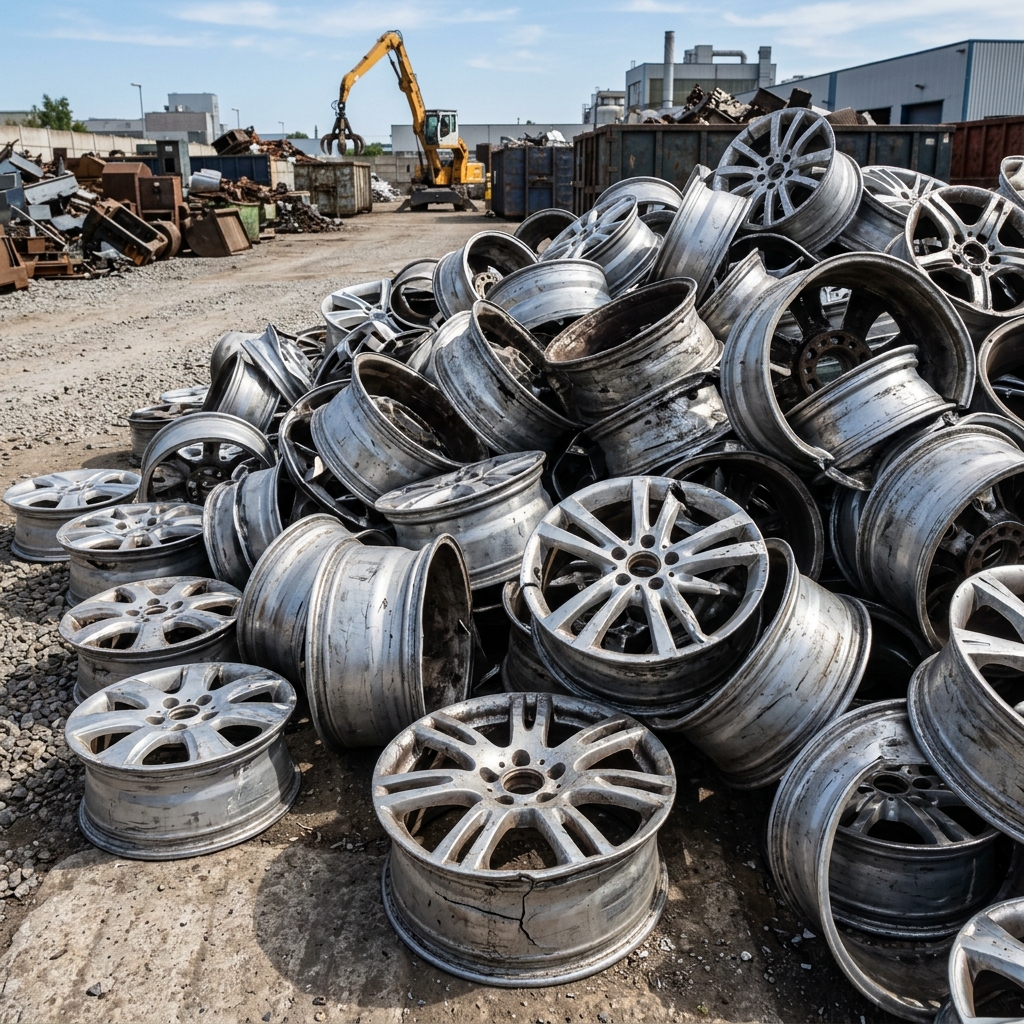
Many car owners searching for “cash for scrap alloy rims Melbourne” or “alloy wheels scrap prices” are often surprised to discover that used rims still carry strong value in Australia’s recycling market. However, payouts vary widely depending on wheel type, condition, and metal composition, meaning not all rims are treated equally by scrap buyers.
This guide explains how scrap alloy rims are priced in Australia and why aluminium alloy wheels, steel rims, and die-cast wheels fall into different value categories. Pricing is influenced by weight, purity, contamination, and global aluminium market trends.
What Are Aluminium Alloy Rims?
Definition of Alloy Wheels
Aluminium alloy rims are wheels manufactured using aluminium combined with small amounts of other metals such as magnesium or nickel to improve strength and performance. Unlike traditional steel rims, alloy wheels are designed to be lighter, improve fuel efficiency, and enhance vehicle handling.
They are widely used in modern passenger vehicles, including sedans, SUVs, and performance cars due to their balance of durability and aesthetics.
Why Alloy Rims Have Scrap Value
Aluminium alloy rims retain strong value in the recycling market because of their high aluminium content, which is easily recoverable through remelting processes.
Their composition makes them highly desirable for secondary aluminium production, where recycled material is used in manufacturing new automotive parts and industrial components.
Strong demand in global aluminium markets ensures that clean alloy wheels consistently achieve better scrap pricing compared to mixed or contaminated metal loads.
Alloy Rims vs Steel Rims — Major Price Difference
Key Material Differences
Alloy rims are made from aluminium-based alloys, making them lightweight and more efficient for vehicle performance. Steel rims, on the other hand, are made from ferrous (iron-based) material, which is heavier and generally lower in scrap value.
Because aluminium has higher resale and recycling demand, alloy rims consistently achieve better pricing in the scrap market.
Scrap Value Comparison Table
| Rim Type | Material | Scrap Value | Notes |
|---|---|---|---|
| Alloy rims | Aluminium alloy | High | Premium recycling value |
| Steel rims | Ferrous steel | Low | Heavier but cheaper per kg |
| Die-cast rims | Mixed aluminium alloys | Medium–High | Requires processing |
How Aluminium Alloy Rims Are Graded for Scrap
Clean vs Contaminated Rims
Aluminium alloy rims are primarily graded based on cleanliness and material condition. Clean rims those without tyres, wheel weights, valves, or excessive dirt are valued significantly higher in the scrap market.
Die-Cast Aluminium Wheels
Die-cast wheels are made from mixed aluminium alloys, often including elements like silicon and magnesium to improve strength and durability.
Key Grading Factors
Several factors influence how scrap buyers classify aluminium alloy rims:
Weight consistency is important for bulk valuation, while alloy purity determines how easily the material can be remelted. The presence of attachments such as tyres, balancing weights, or valves significantly reduces value.
Scrap Alloy Rim Prices in Australia
Typical Price Per Kg
| Rim Type | Price Range (AUD/kg) |
|---|---|
| Clean alloy rims | $1.80 – $3.20 |
| Mixed alloy wheels | $1.50 – $2.50 |
| Die-cast aluminium rims | $1.60 – $2.80 |
| Steel rims | $0.20 – $0.50 |
Where to Sell Scrap Alloy Rims in Australia
Local Scrap Yards (Melbourne, Perth, Sydney)
Local scrap yards are the most accessible option for selling scrap alloy rims in Australia. They typically offer immediate cash payments and a straightforward drop-off process, making them suitable for individuals and small quantities.
However, pricing is often lower compared to larger traders due to limited competition and higher operating margins.
Auto Wreckers and Metal Recyclers
Auto wreckers and specialised metal recyclers often provide more competitive pricing, especially for clean alloy rims that have tyres removed and minimal contamination.
These buyers also accept mixed vehicle components, making them a practical option for damaged wheels or end-of-life vehicles.
Online Scrap Trading Platforms
Online scrap trading platforms connect sellers with multiple buyers, enabling competitive bidding and improved price transparency particularly for bulk loads or commercial collections.
This model is ideal for workshops, fleet operators, and high-volume sellers looking to maximise returns.
Digital platforms such as Scrap Trade, Scrap Trade Australia help streamline buyer comparisons and improve access to higher-value offers across the Australian market.
FAQs
How much are scrap alloy rims worth in Australia?
Scrap alloy rims in Australia typically range from $1.80 to $3.20 per kg, depending on factors such as cleanliness, alloy type (cast or forged), contamination levels, and buyer location. Bulk quantities and clean rims generally achieve higher prices.
Do I need to remove tyres before selling alloy wheels?
Yes, removing tyres usually increases scrap value because buyers only pay for recyclable metal. Tyres add disposal costs and reduce the effective aluminium weight, which leads to lower payouts.
Are steel rims worth anything as scrap?
Yes, steel rims still have scrap value, but it is significantly lower than aluminium alloys. Prices typically range from $0.20 to $0.50 per kg due to their iron content and lower recycling value.
What affects alloy wheel scrap prices in Melbourne?
Prices in Melbourne are influenced by global aluminium market rates, rim condition, contamination levels, transport costs, and whether the seller is offering bulk or individual quantities.
Can I sell damaged alloy rims?
Yes, damaged alloy rims can still be sold as scrap as long as they are primarily aluminium-based. Damage does not eliminate value, but heavy contamination or mixed materials may reduce the price.
Conclusion
Aluminium alloy rims remain one of the most valuable types of vehicle scrap in Australia due to their high aluminium content and strong demand in recycling and secondary manufacturing markets. However, the final payout is strongly influenced by factors such as rim cleanliness, alloy type, contamination levels, and broader aluminium market conditions.
To maximise returns, sellers should remove tyres, separate materials correctly, and ensure rims are properly sorted before sale. Comparing multiple buyers across Melbourne and other Australian cities also helps secure more competitive pricing and avoid undervalued offers.