
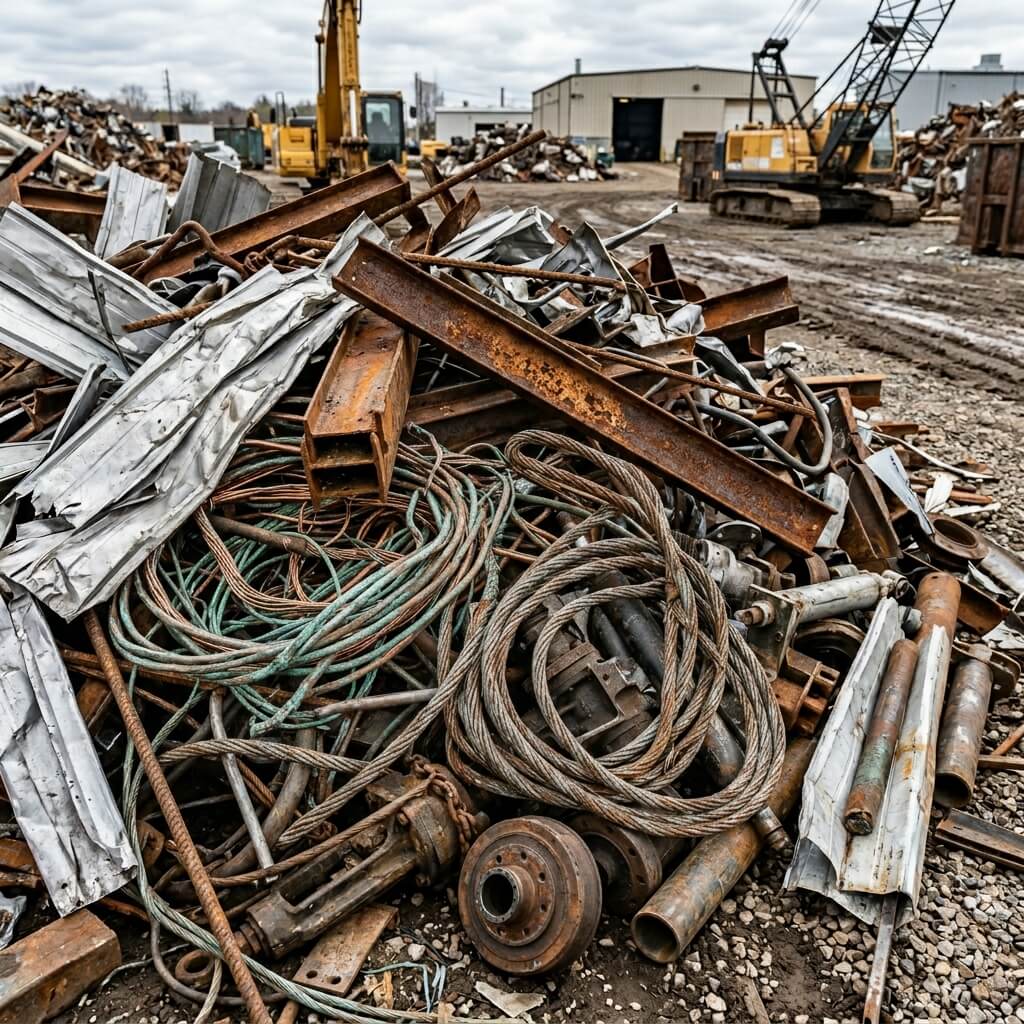
Australia's scrap metal industry is rapidly transitioning from traditional phone-based transactions and broker networks to digital marketplaces that connect buyers and sellers in real time. Whether you're a recycler, demolition contractor, manufacturer, scrap yard operator, or metal trader, choosing the right scrap metal marketplace can significantly improve pricing, transparency, and transaction efficiency.
Many businesses still rely on local contacts and limited buyer networks, which can restrict access to competitive offers and reduce overall profitability. Modern online scrap trading platforms address these challenges by creating centralized marketplaces where suppliers, buyers, and traders can connect, compare prices, and negotiate deals more effectively.
What Is a Scrap Metal Marketplace?
Definition of a Scrap Trading Marketplace
A scrap metal marketplace is an online platform that connects scrap suppliers, recyclers, traders, manufacturers, and buyers within a centralized digital trading environment. These platforms simplify the buying and selling process by allowing businesses and individuals to:
- List available scrap metal for sale
- Connect with verified buyers and sellers
- Compare multiple offers and market prices
- Negotiate pricing and contract terms
- Arrange transportation and logistics
- Complete transactions more efficiently
Unlike traditional scrap yards that typically serve a local area, online scrap marketplaces provide access to a much broader network of buyers and suppliers, creating greater competition and improving price transparency.
Types of Materials Commonly Traded
Modern scrap metal marketplaces support a wide range of recyclable materials, including:
- Ferrous scrap
- Heavy Melting Steel (HMS)
- Copper scrap
- Aluminium scrap
- Brass scrap
- Stainless steel
- Lead and used batteries
- Manufacturing offcuts
- Demolition and construction scrap
- Electronic scrap (e-waste)
Why Australia's Scrap Industry Is Moving Online
Traditional Scrap Trading Challenges
Traditional scrap trading in Australia has largely relied on local scrap yards, brokers, and phone-based negotiations. While this system still operates widely, it presents several limitations for sellers and buyers.
Many sellers experience restricted access to buyers, which reduces competition and often results in lower pricing. Pricing itself can also be inconsistent, with limited visibility into how rates are calculated across different yards and regions.
Additional challenges include delayed payments, lack of transparency in grading systems, and difficulty connecting with bulk buyers for larger volumes of scrap metal.
Advantages of Online Scrap Trading
| Traditional Method | Online Marketplace |
|---|---|
| Limited buyers | Nationwide network |
| Manual quotes | Faster price comparisons |
| Local-only reach | Australia-wide visibility |
| Less transparency | Competitive bidding |
| Phone/email dependent | Digital transaction management |
Benefits for Scrap Sellers
Better Price Discovery
Online scrap marketplaces allow sellers to move beyond a single local offer and access a competitive buying environment.
Sellers can compare multiple buyers, encourage competitive bidding, and ultimately maximise the value of their scrap metal.
Faster Sales Process
Digital scrap trading significantly reduces the time and effort required to complete transactions.
Key benefits include online listings, faster quote requests, simplified negotiation workflows, and reduced administrative handling.
Access to Larger Buyers
One of the strongest advantages of online marketplaces is access to a broader buyer base.
Sellers can connect with national recycling companies, exporters, manufacturing buyers, and steel producers that are typically not reachable through local scrap yards.
Benefits for Scrap Buyers
Consistent Material Supply
Online scrap marketplaces give buyers access to a steady and diversified flow of recyclable materials, helping reduce supply disruptions and improve operational planning.
Buyers can consistently source ferrous scrap, non-ferrous metals, manufacturing waste, and demolition materials through a single platform.
This reliability is especially important for steel mills, recyclers, and exporters that depend on continuous feedstock.
Expanded Supplier Network
Digital marketplaces significantly broaden the supplier base for scrap buyers across Australia.
Key advantages include access to more suppliers, improved volume aggregation opportunities, and reduced sourcing costs due to increased competition among sellers.
A wider network also improves flexibility in meeting specific material and grade requirements.
Improved Procurement Efficiency
Online platforms streamline the entire procurement process by centralising listings and buyer interactions.
Buyers can quickly discover new suppliers, compare available stock, and simplify purchasing workflows through structured digital systems.
How to Choose the Right Scrap Metal Marketplace
Evaluate Buyer Quality
The effectiveness of a scrap metal marketplace depends heavily on the quality of its buyers. A strong platform should feature verified companies with a proven trading history and a solid industry reputation.
Payment reliability is also critical, as it ensures sellers receive timely and secure settlements without disputes or delays.
Check Marketplace Coverage
Before choosing a platform, it is important to assess its geographic and industrial reach.
Key questions include whether the marketplace operates Australia-wide, supports industrial-scale volumes, and provides access to export-level buyers.
Broader coverage generally results in stronger competition and better pricing outcomes.
Review Transaction Features
A high-quality scrap marketplace should streamline the entire trading process through digital tools and structured workflows.
Important features include quote management systems, secure buyer–seller communication, clear listing visibility, and integrated logistics support.
These features help reduce friction, improve transparency, and make large-scale scrap trading more efficient.
Industries That Benefit Most from Scrap Marketplaces
Manufacturing
Manufacturing businesses generate a consistent stream of recyclable metal waste, making them key users of scrap metal marketplaces.
Common materials include offcuts, machining turnings, punchings, and general production waste.
These platforms help manufacturers turn continuous waste streams into predictable revenue while improving material segregation and pricing efficiency.
Demolition
The demolition sector produces high-volume mixed scrap, often across multiple metal types in a single project.
Typical materials include structural steel, rebar, copper wiring, and mixed metal loads from buildings and infrastructure.
Scrap marketplaces help contractors maximise recovery value by connecting them with bulk buyers and export-ready traders.
Construction
Construction projects generate ongoing scrap through site activities, material surplus, and structural waste.
This includes steel waste, cut-offs, and leftover materials from installation and fabrication work.
Online marketplaces improve efficiency by enabling faster clearance and better resale value for reusable metals.
Automotive Recycling
The automotive sector is a major source of recyclable metals in Australia.
Key materials include scrap vehicles, alloy wheels, engines, and mixed metal components.
Scrap marketplaces allow auto recyclers to connect directly with buyers who value specific grades and materials, improving overall recovery rates.
FAQs
What is the best scrap metal marketplace in Australia?
The best scrap metal marketplace is one that offers verified buyers, transparent pricing, strong transaction tools, and nationwide reach. Platforms like Scrap Trade are designed specifically to improve efficiency and pricing transparency in scrap metal trading across Australia.
Can I sell scrap metal online in Australia?
Yes, scrap metal can be sold online through digital marketplaces that connect sellers with verified buyers. These platforms allow users to list materials, compare offers, negotiate pricing, and arrange logistics entirely online.
Are online scrap marketplaces better than local scrap yards?
For small loads, local scrap yards are convenient. However, for bulk or industrial quantities, online marketplaces often provide better pricing due to increased buyer competition and wider market access.
Who uses scrap metal marketplaces?
Scrap metal marketplaces are used by manufacturers, demolition contractors, recyclers, scrap yards, exporters, foundries, and metal traders who want better access to supply and demand networks.
How do scrap buyers benefit from marketplaces?
Scrap buyers benefit from improved supplier access, more consistent material flow, reduced sourcing costs, and greater efficiency in procurement through centralized digital platforms.
Conclusion
The Australian scrap metal industry is steadily shifting toward digital trading platforms that improve efficiency, pricing transparency, and access to a wider buyer network. Compared to traditional yard-based or broker-only systems, online scrap metal marketplaces create a more competitive and data-driven trading environment.
For both buyers and sellers, these platforms make it easier to discover fair market pricing, reduce transaction delays, and connect with verified counterparties across Australia. Whether dealing with industrial scrap volumes or ongoing manufacturing waste, digital marketplaces streamline the entire trading process.