
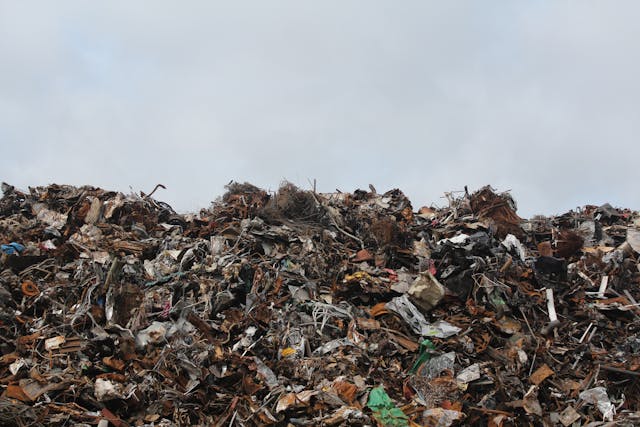
The global scrap industry is growing rapidly, but many traders still struggle with fragmented sourcing, unreliable buyers, inconsistent pricing, and complicated export procedures. Managing international scrap deals manually creates delays, increases risk, and reduces profitability.
A bulk scrap export trading platform solves these challenges by connecting exporters, buyers, recyclers, and industrial suppliers in one centralized ecosystem. Instead of relying on disconnected brokers or outdated processes, businesses can streamline bulk scrap transactions, compare pricing, manage logistics, and expand into international markets.
What Is a Bulk Scrap Export Trading Platform?
A bulk scrap export trading platform is an online marketplace or transaction system that enables buyers and sellers to trade large quantities of recyclable materials across domestic and international markets.
These platforms typically connect:
- Scrap exporters
- Industrial recyclers
- Scrap processors
- Metal traders
- Shipping and logistics providers
- International buyers
- Bulk commodity brokers
The main purpose is to simplify scrap transactions while improving transparency, pricing access, compliance, and logistics coordination.
Popular materials traded through bulk scrap export platforms include:
- Ferrous scrap
- Non-ferrous scrap
- Copper scrap
- Aluminum scrap
- Brass scrap
- Stainless steel scrap
- Electronic scrap
- Plastic scrap
- Paper scrap
- Industrial surplus materials
Businesses using a bulk scrap export trading platform can manage higher transaction volumes with fewer operational bottlenecks.
Why Bulk Scrap Trading Is Moving Online
Traditional scrap export systems depend heavily on phone calls, broker networks, email negotiations, and manual paperwork. This creates inefficiency and limits scalability.
Digital trading platforms are changing how the scrap industry operates.
Key Reasons Scrap Exporters Use Trading Platforms
Faster Buyer Discovery
Exporters can instantly access international buyers instead of relying on local broker relationships.
Transparent Pricing
Platforms provide market-driven pricing visibility, helping exporters compare rates before closing deals.
Reduced Transaction Risk
Verified buyer profiles, trade documentation, and payment tracking reduce fraud risk.
Easier Logistics Coordination
Shipping partners, freight quotes, and export documentation can often be integrated into one platform.
Better Market Reach
A trading platform allows sellers to reach buyers in multiple countries without building individual networks.
How a Bulk Scrap Export Trading Platform Works
A scrap export trading platform typically follows a structured workflow.
Step 1: Scrap Material Listing
Sellers upload scrap inventory with specifications such as:
- Material type
- Grade
- Quantity
- Container availability
- Moisture content
- Packaging type
- Export readiness
- Country of origin
Example:
| Scrap Type | Grade | Quantity | Country | Packaging |
|---|---|---|---|---|
| Copper Scrap | Millberry | 25 MT | Australia | Bale |
| Aluminium Scrap | Tense | 50 MT | UAE | Loose |
| HMS Scrap | HMS 1 & 2 | 100 MT | USA | Container |
Step 2: Buyer Discovery
Buyers search based on:
- Material category
- Country
- Quantity
- Delivery terms
- Pricing model
- Supplier verification
Step 3: Price Negotiation
Most platforms allow direct negotiation between buyers and sellers.
Negotiation factors include:
- Market price index
- Freight cost
- Container availability
- Export duties
- Purity percentage
- Payment terms
Step 4: Documentation
Bulk export transactions often require:
- Commercial invoice
- Packing list
- Bill of lading
- Certificate of origin
- Inspection certificate
- Customs declaration
Step 5: Logistics & Shipment
The platform may connect freight partners for:
- Container booking
- Port coordination
- Shipment tracking
- Customs clearance
Types of Scrap Sold Through Export Trading Platforms
Different categories dominate international scrap markets.
Ferrous Scrap
Ferrous materials contain iron and are widely used in steel production.
Common examples:
- HMS 1 & 2
- Shredded steel scrap
- Cast iron scrap
- Steel turnings
Non-Ferrous Scrap
These materials are highly valuable because of their conductivity and industrial demand.
Examples include:
- Copper scrap
- Aluminium scrap
- Brass scrap
- Zinc scrap
- Nickel scrap
Electronic Scrap
E-waste exports continue to grow because of valuable recoverable metals.
Common items include:
- Circuit boards
- Computer scrap
- Telecom waste
- Mobile device waste
Plastic Scrap
Plastic recycling exports support manufacturing supply chains.
Common grades:
- PET scrap
- HDPE scrap
- LDPE scrap
- PP scrap
Bulk Scrap Export Pricing Factors
Pricing varies significantly based on material quality, market demand, and shipping costs.
Key Scrap Pricing Variables
| Factor | Impact on Price |
| Material Grade | Higher purity = higher price |
| Market Demand | High demand increases margins |
| Export Country | Regulations impact pricing |
| Freight Cost | Directly affects landed price |
| Currency Exchange | Impacts global competitiveness |
| Quantity | Larger orders often secure better pricing |
| Container Availability | Influences shipping cost |
Example Bulk Scrap Pricing Table
| Material | Approximate Export Price (USD/MT) |
| Copper Millberry Scrap | $6,500–$8,200 |
| Aluminium Tense Scrap | $1,700–$2,400 |
| HMS 1 & 2 Scrap | $280–$420 |
| Brass Scrap | $3,800–$5,200 |
| Stainless Steel Scrap | $1,000–$1,800 |
Pricing changes weekly depending on commodity markets.
Benefits of Using a Bulk Scrap Export Trading Platform
A dedicated platform creates efficiency for both suppliers and buyers.
For Scrap Exporters
Expand International Reach
Exporters can access buyers across Asia, Europe, the Middle East, and North America.
Faster Deal Closures
Digital communication reduces delays during negotiation.
Better Pricing Opportunities
Competing buyer demand can improve sale value.
Reduced Brokerage Dependency
Businesses can connect directly with verified buyers.
For Buyers
Verified Supplier Access
Buyers can filter suppliers based on export history and verification.
Bulk Purchase Efficiency
Large-scale procurement becomes faster and more organized.
Improved Material Transparency
Detailed specifications improve purchasing decisions.
Features to Look for in a Bulk Scrap Export Trading Platform
Not all platforms offer the same capabilities.
Essential Platform Features
Supplier Verification
Verified suppliers reduce fraud and improve reliability.
Bulk Inventory Listings
A platform should support large-volume inventory uploads.
Export Documentation Support
Integrated paperwork reduces delays.
Freight Integration
Shipping quotes and logistics improve workflow.
Real-Time Messaging
Faster negotiation speeds up transaction cycles.
Market Pricing Dashboard
Price monitoring helps users make informed decisions.
Bulk Scrap Export Process Explained
Exporting scrap materials requires compliance and planning.
Step-by-Step Bulk Scrap Export Workflow
Source Scrap Material
Work with local suppliers or industrial scrap generators.
Grade and Sort Materials
Proper grading improves export value.
Package for Shipping
Materials are prepared based on buyer requirements.
Secure Export Documents
Compliance paperwork is completed.
Arrange Shipping
Freight booking and customs handling occur.
Final Delivery
Shipment reaches the international buyer.
Challenges in Bulk Scrap Export Trading
Even with digital platforms, exporters still face challenges.
Common Export Problems
- Shipping delays
- Container shortages
- Quality disputes
- Customs regulations
- Price volatility
- Buyer verification risks
- Currency fluctuations
A reliable platform reduces these risks through transparency and structured workflows.
Best Practices for Bulk Scrap Exporters
Maintain Accurate Material Specifications
Clear descriptions reduce disputes.
Use Quality Inspection Reports
Independent inspections increase buyer trust.
Monitor Commodity Pricing
Market timing impacts profitability.
Build Long-Term Buyer Relationships
Repeat buyers create stable revenue.
Optimize Shipping Costs
Freight efficiency directly improves margins.
Why Scrap Trading Platforms Matter in 2026
Global scrap trading is becoming increasingly digitized. Buyers want transparent sourcing, exporters need scalable distribution, and logistics providers require structured workflows.
Bulk scrap export trading platforms act as the infrastructure layer connecting these stakeholders.
The businesses that adopt digital trading systems early are often able to:
- Expand market access
- Reduce operational friction
- Improve pricing visibility
- Close international deals faster
- Build reliable global supply chains
Recommended Scrap Trading Platforms
Businesses looking to enter or scale global scrap trading should consider dedicated scrap marketplaces and trading networks.
Useful resources include:
- Scrap Trade for scrap trading network access
- Scrap Trade Australia for Australian scrap market opportunities
- Scrap Trade Now for bulk scrap transaction support
These platforms help buyers and exporters streamline scrap sourcing and cross-border trading.
FAQs
What is a bulk scrap export trading platform?
A bulk scrap export trading platform is an online system that connects scrap exporters, buyers, recyclers, and logistics providers for large-volume scrap transactions.
How do scrap exporters find buyers internationally?
Exporters can use digital scrap trading platforms to list inventory, connect with verified buyers, negotiate pricing, and arrange international shipping.
Which scrap materials are most profitable for export?
High-value export scrap categories include copper scrap, aluminium scrap, brass scrap, stainless steel scrap, and electronic scrap.
What documents are required for scrap export?
Most scrap exports require a commercial invoice, bill of lading, packing list, certificate of origin, and customs clearance documentation.
Is bulk scrap trading profitable?
Bulk scrap trading can be profitable when exporters secure consistent supply, optimize freight costs, and target high-demand international markets.
Conclusion
A bulk scrap export trading platform helps businesses simplify global recycling trade, reduce transaction friction, and scale export operations more efficiently.
From pricing visibility and buyer discovery to logistics coordination and documentation, these platforms create a structured framework for international scrap commerce.
If you want to expand into global scrap trading, now is the time to leverage digital platforms that streamline bulk export operations and increase transaction efficiency.