Australia is one of the world's leading sources of recyclable materials, with a well-established scrap metal industry serving domestic manufacturers, exporters, recyclers, and international traders. Whether you're looking to purchase copper, aluminium, steel, brass, stainless steel, or electronic scrap, understanding the Australian scrap market can help you secure quality material while avoiding costly mistakes.
This guide covers everything you need to know about buying scrap in Australia, from finding reliable suppliers to understanding regulations, pricing, and best practices.
Why Australia is an Attractive Scrap Market
Australia generates millions of tonnes of recyclable materials annually through industrial manufacturing, construction, mining, demolition, automotive recycling, and consumer waste streams. The country has a mature recycling infrastructure and strict regulatory standards, making it an attractive sourcing destination for buyers worldwide.
Some of the key advantages of buying scrap in Australia include:
- Consistent supply of ferrous and non-ferrous metals.
- High-quality industrial and manufacturing offcuts.
- Well-regulated recycling industry.
- Established export logistics and port infrastructure.
- Transparent business practices and documentation standards.
For businesses looking to source scrap metal for recycling, manufacturing, or export, Australia offers access to reliable suppliers and high-grade materials.
Types of Scrap Available in Australia
Australian recyclers and scrap yards typically handle a wide variety of materials.
Ferrous Metals
Ferrous scrap contains iron and is commonly used in steel production.
Examples include:
- Heavy Melting Steel (HMS 1 & 2)
- Shredded Steel Scrap
- Structural Steel
- Demolition Steel
- Cast Iron
- Industrial Steel Offcuts
These materials are widely available from construction projects, manufacturing facilities, demolition sites, and recycling centers.
Non-Ferrous Metals
Non-ferrous metals generally command higher prices due to their value and recyclability.
Common categories include:
- Copper Scrap
- Aluminium Scrap
- Brass Scrap
- Stainless Steel
- Lead
- Zinc
- Nickel Alloys
Among these, copper and aluminium remain some of the most sought-after commodities for both domestic and export buyers.
Electronic Scrap (E-Waste)
Australia also generates significant volumes of electronic waste.
Examples include:
- Computer Motherboards
- Servers
- Telecom Equipment
- Power Supplies
- Circuit Boards
- Data Center Equipment
E-waste can contain valuable metals such as gold, silver, palladium, copper, and rare earth elements, making it attractive to specialized recyclers and refiners.
Where to Buy Scrap in Australia
Finding reliable suppliers is critical for maintaining quality and consistency.
Licensed Scrap Metal Recyclers
Licensed recycling companies are often the most reliable source of scrap materials. They typically maintain inventory, provide documentation, and follow industry regulations.
Benefits include:
- Verified material grades
- Consistent supply
- Professional handling
- Transparent weighing procedures
- Export support
These suppliers are ideal for businesses seeking long-term purchasing relationships.
Industrial Manufacturers
Manufacturing facilities frequently generate clean production offcuts and excess materials.
Examples include:
- Metal fabrication shops
- Engineering companies
- Automotive manufacturers
- Construction material producers
Industrial scrap often has lower contamination levels and higher consistency than post-consumer scrap.
Auctions and Asset Liquidations
Business closures, plant upgrades, and insolvency sales can provide opportunities to purchase bulk quantities of scrap.
Advantages include:
- Competitive pricing
- Large-volume lots
- Unique material availability
However, buyers should always inspect materials before committing to a purchase.
Online Marketplaces
Various online platforms facilitate scrap trading between buyers and sellers.
While these platforms can offer attractive deals, they also present higher risks, including:
- Misrepresented materials
- Payment fraud
- Inaccurate weight reporting
- Lack of documentation
Buyers should conduct thorough due diligence before entering into transactions.
How to Evaluate a Scrap Supplier
Not all suppliers offer the same level of reliability and quality.
Before making a purchase, consider the following verification steps.
Verify Business Credentials
Check the supplier's:
- Australian Business Number (ABN)
- Company registration details
- Business history
- Industry reputation
- Customer references
Established businesses are generally less risky than newly formed operations with limited trading history.
Request Documentation
Reliable suppliers should provide:
- Weighbridge tickets
- Material specifications
- Photos and videos of stock
- Tax invoices
- Shipping documentation
For larger purchases, independent inspection reports can add an extra layer of security.
Assess Material Quality
Ask for detailed information regarding:
- Metal grade
- Contamination levels
- Moisture content
- Packaging methods
- Previous testing results
Understanding these factors helps prevent disputes after delivery.
Information to Include in Your Scrap Purchase Inquiry
When requesting quotations, provide suppliers with clear specifications.
Material Type
Specify exactly what you are looking for.
Examples:
- Copper Millberry
- Copper Birch/Cliff
- Aluminium Taint/Tabor
- Stainless Steel 304
- HMS 1 & 2
- Shredded Steel
Quantity
Clearly indicate whether you require:
- Trial quantities
- Monthly supply contracts
- Container loads
- Bulk tonnage
Packaging Requirements
Examples include:
- Loose loaded
- Baled
- Boxed
- Palletized
- Containerized
Delivery Terms
Specify your preferred trade terms such as:
- EXW (Ex Works)
- FCA (Free Carrier)
- FOB (Free on Board)
- CIF (Cost, Insurance and Freight)
Quality Requirements
Define acceptable limits for:
- Contamination
- Moisture
- Mixed materials
- Foreign objects
The more detailed your request, the more accurate the supplier's quotation will be.
Understanding Australian Scrap Regulations
Australia maintains strict regulations regarding scrap collection, recycling, and export activities.
State-Level Requirements
Different states have varying regulations governing:
- Scrap metal transactions
- Record keeping
- Seller identification
- Theft prevention measures
Buyers should familiarize themselves with applicable local requirements.
Export Compliance
Certain waste streams may be subject to export controls.
Particular attention should be paid to:
- Electronic waste
- Hazardous materials
- Contaminated scrap
- Battery-containing products
Failure to comply with export regulations can result in shipment delays, penalties, or rejected cargo.
GST Considerations
Commercial transactions generally involve Goods and Services Tax (GST).
Buyers should confirm:
- Whether quoted prices include GST
- Invoice requirements
- Tax obligations for domestic purchases
Common Risks and How to Avoid Them
The scrap industry presents opportunities, but it also carries risks.
Unrealistically Low Prices
If a deal appears significantly cheaper than market rates, investigate carefully.
Low prices can indicate:
- Misrepresented materials
- Contamination issues
- Fraudulent activity
Lack of Documentation
Avoid suppliers unwilling to provide:
- Company registration details
- Weighbridge records
- Material photographs
- Inspection reports
Inconsistent Material Quality
Mixed loads are a common source of disputes.
Always clarify:
- Grade specifications
- Contamination limits
- Acceptance criteria
before finalizing a purchase.
Advance Payment Risks
For first-time transactions:
- Start with small orders.
- Use secure payment methods.
- Consider inspection services.
- Build trust gradually.
Recommended Strategy for International Buyers
If you are sourcing scrap from Australia for export, a structured approach can reduce risk.
Step 1: Choose a Single Commodity
Focus on one material type initially, such as:
- Copper Scrap
- Aluminium Scrap
- HMS Steel
- Stainless Steel
Step 2: Select a Target Port
Major Australian export hubs include:
- Sydney
- Melbourne
- Brisbane
- Adelaide
- Perth
Step 3: Contact Multiple Suppliers
Request quotations from at least three to five qualified suppliers.
Compare:
- Pricing
- Material quality
- Documentation
- Delivery capabilities
Step 4: Purchase a Trial Shipment
Begin with a small test order before committing to larger contracts.
This allows you to evaluate:
- Material consistency
- Supplier reliability
- Shipping performance
Step 5: Establish Long-Term Agreements
Once performance is verified, negotiate recurring supply contracts to secure stable pricing and availability.
Final Thoughts
Australia offers excellent opportunities for businesses seeking reliable sources of scrap metal and recyclable materials. With a mature recycling industry, strong regulatory oversight, and access to global shipping networks, the country remains a preferred sourcing destination for both domestic and international buyers.
Success in the Australian scrap market depends on working with reputable suppliers, understanding material specifications, verifying documentation, and following applicable regulations. By taking a structured and cautious approach, buyers can build long-term supply relationships while minimizing risk and maximizing value.
Whether you're purchasing copper, aluminium, steel, brass, stainless steel, or electronic scrap, thorough due diligence and clear communication remain the keys to successful scrap procurement in Australia.
Ready to Buy or Sell Scrap in Australia?
Navigating the scrap market can be challenging from finding verified suppliers and negotiating prices to managing logistics and ensuring compliance. That's where ScrapTrade makes the process easier.
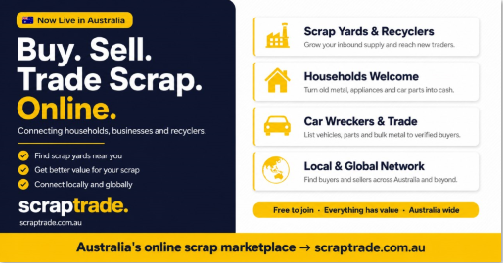
ScrapTrade.com.au connects buyers, sellers, recyclers, and businesses on a dedicated marketplace built specifically for the scrap and recycling industry. Whether you're sourcing copper, aluminium, steel, e-waste, or industrial surplus materials, ScrapTrade helps you discover new opportunities and connect with trusted trading partners across Australia.
Why Choose ScrapTrade?
- Verified Marketplace – Connect with genuine buyers and sellers.
- Wide Range of Scrap Categories – Trade ferrous, non-ferrous, e-waste, plastics, paper, and more.
- Nationwide Reach – Access opportunities across Australia from a single platform.
- Streamlined Trading – Post listings, receive inquiries, and negotiate deals efficiently.
- Industry-Focused Network – Built specifically for recyclers, scrap yards, manufacturers, exporters, and traders.
Whether you're a small recycler looking for local buyers or a large business seeking consistent supply, ScrapTrade provides a smarter way to trade scrap materials.
Join ScrapTrade today and start connecting with Australia's growing recycling and scrap trading community.
Visit ScrapTrade.com.au to create your account and explore available scrap listings.