

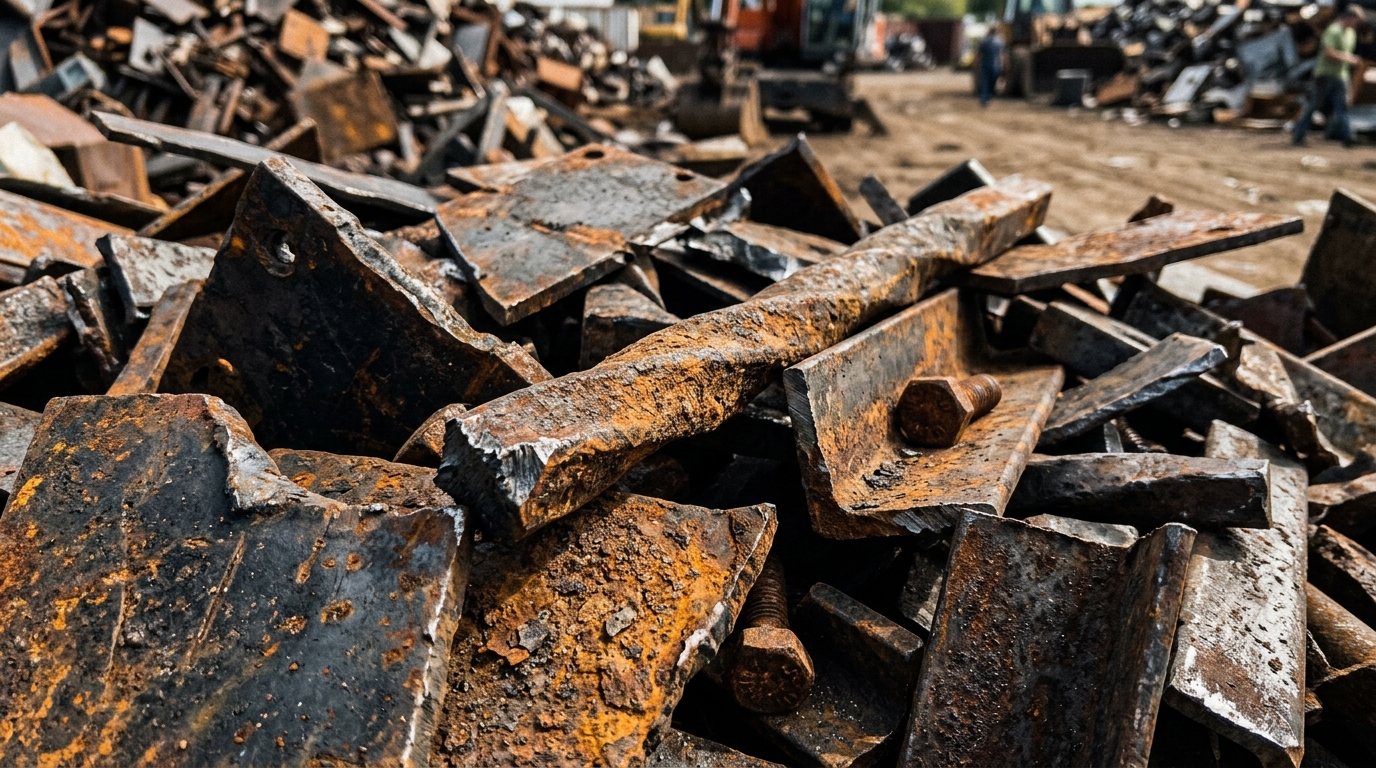
Cast iron is one of the most common heavy scrap materials found in Australian households, workshops, and industrial sites. If you’ve got old engine blocks, broken pipes, or machinery parts lying around, you’re likely wondering about the cast iron scrap price in Australia per kg and whether it is worth selling.
Unlike high-value metals such as copper or brass, cast iron is a bulk commodity. Its value is driven more by weight, transport costs, and steel mill demand than by purity. Still, when collected in large quantities, cast iron scrap can generate steady returns.
Current Cast Iron Scrap Price in Australia (2026 Guide)
Cast Iron Scrap Price Per Kg in Australia
Cast iron scrap prices in Australia remain one of the lower-value ferrous scrap categories, but heavy density materials like engine blocks and machinery parts can still generate steady returns when sold in bulk. Pricing depends heavily on grade, contamination, and whether the material is clean or mixed with other metals.
Based on 2026 Australian scrap market data, cast iron typically trades within a stable low-range band similar to general steel scrap, with slight premiums for heavy industrial grades like engine blocks.
Cast Iron Scrap Price Table (Australia 2026)
| Material Type | Typical Price (AUD/kg) |
|---|---|
| Cast Iron Scrap | $0.10 – $0.30 |
| Heavy Cast Iron (Engine Blocks) | $0.15 – $0.35 |
| Mixed Iron Scrap | $0.08 – $0.20 |
| Clean Iron / Light Iron | $0.05 – $0.15 |
Cast Iron Scrap Price Per Tonne
Cast iron scrap is commonly priced per tonne in Australia due to its bulk weight and ease of transport in large quantities. It is widely generated from industrial equipment, automotive components, and demolition activities.
Typical Cast Iron Scrap Prices Per Tonne
| Material Type | Typical Price (AUD/tonne) |
|---|---|
| Cast Iron Scrap | $100 – $300 |
| Engine Blocks / Heavy Iron | $150 – $350 |
| Mixed Iron | $80 – $200 |
Why Cast Iron Is Priced Per Tonne
Most scrap yards and industrial buyers prefer tonne-based pricing for cast iron because:
- It is traded in large bulk volumes
- Transport and handling costs are calculated more efficiently at scale
- Industrial buyers operate on mill-level supply contracts
- Per-kg pricing is impractical for low-value ferrous materials
Common Sources of Cast Iron Scrap
Automotive Industry
The automotive sector is a major source of cast iron scrap due to the widespread use of heavy-duty engine and braking components. These materials are typically high-density and suitable for recycling once vehicles reach end-of-life or are dismantled.
Common items include engine blocks, brake discs, cylinder heads, and gear housings. These components are among the heaviest forms of scrap metal and often achieve better pricing within the cast iron category due to their material consistency and weight.
Plumbing & Construction
Older infrastructure and demolition projects frequently produce cast iron scrap, particularly from legacy water and drainage systems.
Common materials include cast iron drainage pipes, sewer pipes, manhole covers, fittings, and flanges. These items are often bulky and require cutting or breaking down before transport, but they contribute significantly to bulk ferrous scrap volumes.
Industrial Machinery
Industrial operations, factories, and workshops generate cast iron scrap through equipment upgrades, breakdowns, and decommissioning of heavy machinery.
Typical sources include machine bases, heavy equipment frames, and pump housings. These components are dense and durable, making them valuable in large-scale recycling operations despite their relatively low per-tonne pricing compared to non-ferrous metals.
Cast Iron vs Wrought Iron Price Difference
Key Differences
| Feature | Cast Iron | Wrought Iron |
|---|---|---|
| Carbon Content | High | Low |
| Strength | Brittle | Flexible |
| Common Use | Engines, pipes | Fences, gates |
| Scrap Value | Lower | Slightly higher |
Price Comparison
Cast iron and wrought iron are both classified as low-value ferrous scrap metals in Australia, but there are slight differences in pricing due to processing characteristics and material properties.
- Cast iron: $0.10 – $0.30/kg
- Wrought iron: $0.12 – $0.35/kg
Wrought iron is often slightly more valuable because it is easier to process, less brittle, and may contain fewer impurities compared to cast iron.
What Affects Cast Iron Scrap Prices?
Global Steel Demand
Cast iron pricing is strongly influenced by global steel manufacturing demand because scrap iron is a key input for steel mills.
When steel production increases, demand for scrap feedstock rises, which can support slightly higher prices for cast iron. Conversely, when industrial demand slows or steel output decreases, scrap iron prices often soften due to oversupply in the market.
Transport and Weight Costs
Cast iron is extremely dense and heavy, which significantly impacts pricing efficiency in the scrap industry.
Because it has a low value per kilogram relative to its weight, transportation costs play a major role in determining final payouts. Scrap yards factor in freight, handling, and processing expenses when setting prices, which can reduce offers for smaller or inefficient loads.
Contamination Levels
Material quality has a direct impact on pricing outcomes. Clean, sorted cast iron typically receives better rates compared to mixed or contaminated scrap.
Common contaminants that reduce value include concrete, plastic components, rubber fittings, and non-ferrous attachments. The more processing required to clean the material, the lower the final price offered by recyclers.
Scrap Volume
Volume is a key pricing factor in cast iron scrap transactions.
Large bulk loads, particularly from demolition sites or industrial operations, often achieve better per-tonne pricing due to improved logistics efficiency and lower handling costs per unit. Smaller loads may receive lower rates due to fixed processing and transport overheads.
How to Prepare Cast Iron for Sale
Remove Non-Metal Attachments
Proper preparation of cast iron scrap starts with removing all non-metal components before sale. This improves material quality and helps recyclers process the load more efficiently.
Common items to remove include plastic fittings, rubber seals, and any attached non-ferrous metals. Separating these materials ensures the cast iron is not downgraded due to contamination, which can negatively impact pricing.
Break Down Large Items
Large cast iron pieces such as engine blocks, heavy machinery parts, or industrial castings should be broken down where possible before transport.
This step reduces hauling and handling costs, improves loading efficiency, and can make the material more attractive to buyers. Smaller, more manageable pieces are often easier for scrap yards to process and may lead to better overall acceptance and smoother transactions.
Separate Iron Grades
Sorting materials correctly is one of the most effective ways to protect scrap value.
Cast iron should be kept separate from steel and mixed ferrous scrap to avoid downgrading. Different ferrous materials are priced differently, and mixed loads are often valued at the lowest applicable rate.
How Cast Iron Scrap Is Processed
Recycling Process
Cast iron recycling follows a structured industrial process designed to recover usable metal efficiently and feed it back into steel manufacturing systems.
It begins with collection and sorting, where scrap yards separate cast iron from other ferrous and non-ferrous materials to ensure consistent quality. Once sorted, the material is typically shredded or broken down into smaller pieces to improve handling and furnace efficiency.
The prepared scrap is then melted in blast furnaces or electric arc furnaces, where impurities are removed and the metal is refined. After melting, the recovered material is cast into new forms for reuse in industrial production.
End Uses
Recycled cast iron plays an important role in supporting Australia’s broader manufacturing and construction sectors.
It is commonly reused in construction steel products, new machinery components, and large-scale infrastructure materials. Because of its strength and durability, recycled cast iron remains a valuable input in heavy industrial applications even after multiple reuse cycles.
FAQs
What is the current cast iron scrap price in Australia?
Cast iron scrap in Australia typically sells between $0.10 and $0.30 per kg, depending on material condition, contamination level, volume, and overall market demand. Larger and cleaner loads may achieve prices toward the higher end of this range.
Are engine blocks valuable as scrap?
Yes, engine blocks are among the most valuable forms of cast iron scrap due to their high density and consistent material quality. They are generally priced toward the upper end of cast iron scrap rates, especially when clean and free from non-metal attachments.
Why is cast iron worth so little?
Cast iron has a relatively low scrap value because it is widely available, heavy, and inexpensive to process compared to non-ferrous metals. Its abundance in the market means supply is high, which keeps per-kilogram pricing low.
Is cast iron priced per kg or per tonne?
Both pricing models are used depending on quantity. Smaller amounts are typically priced per kilogram, while industrial or commercial volumes are usually quoted per tonne for efficiency in transport and processing.
Can rusted cast iron still be sold?
Yes, rusted cast iron can still be sold as scrap. Surface rust has minimal impact on value, but heavy corrosion or excessive contamination with non-metal materials can reduce the final price offered by recyclers.
Conclusion
The cast iron scrap price in Australia (2026) remains low on a per-kilogram basis, but still provides strong value when sold in bulk due to its heavy weight and consistent demand within the recycling and steel manufacturing industries.
Common sources such as engine blocks, cast iron pipes, machinery components, and demolition waste continue to dominate supply across the market. While pricing per unit is relatively low compared to non-ferrous metals, large-volume sellers can still achieve meaningful returns through efficient collection, sorting, and bulk delivery.