
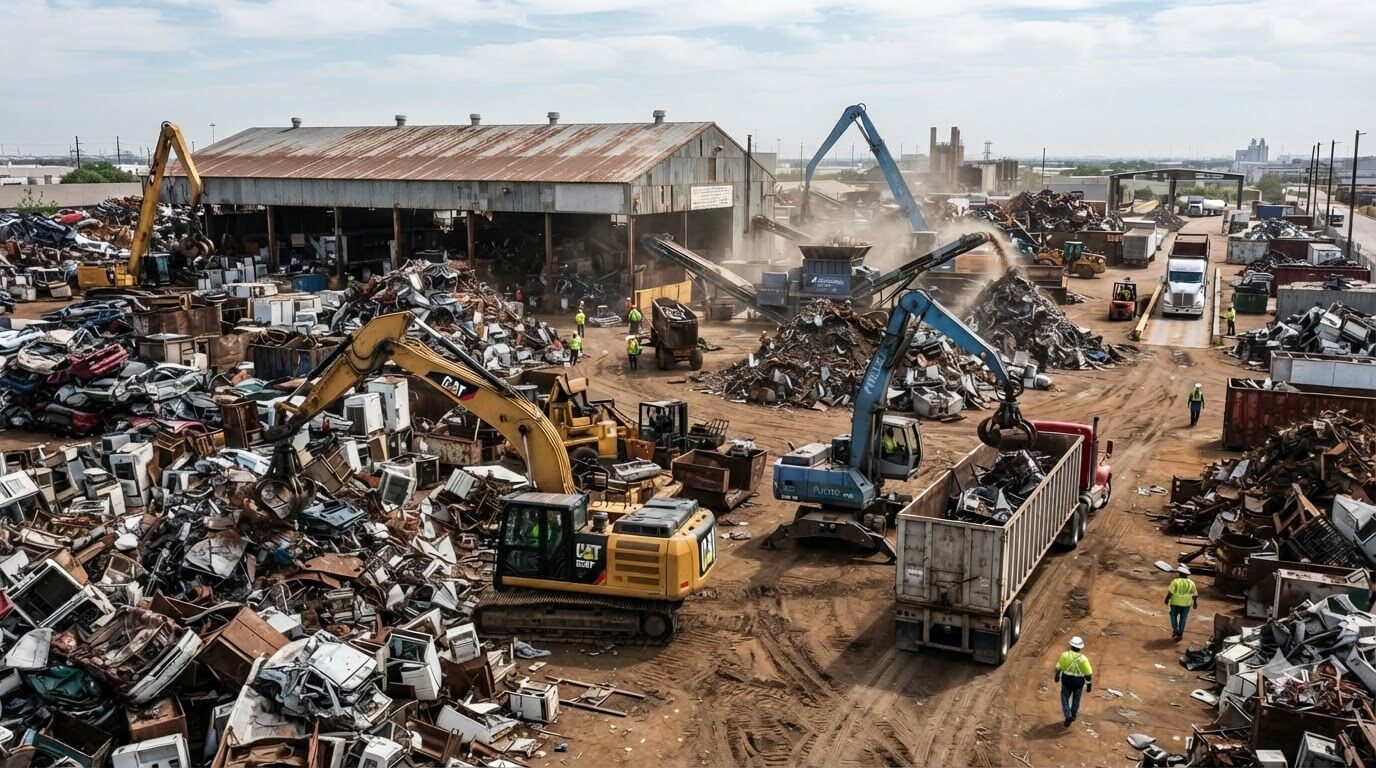
Businesses generate large amounts of scrap through manufacturing, construction, warehousing, automotive operations, repairs, and everyday commercial activities. Without proper management, scrap can take up valuable space, create handling challenges, and increase transportation and disposal costs. A commercial scrap yard provides businesses with a practical way to collect, sort, process, recycle, and sell recyclable materials such as steel, copper, aluminium, brass, machinery, and industrial scrap. Choosing the right commercial scrap yard can also help businesses manage regular collections and recover more value from their recyclable materials.
What Is a Commercial Scrap Yard?
A commercial scrap yard is a recycling facility that handles scrap generated by businesses, contractors, warehouses, manufacturers, and industrial operations. Unlike facilities focused mainly on small household loads, commercial scrap yards can often manage larger quantities, scheduled collections, heavy materials, and recurring business scrap streams.
How Commercial Scrap Yards Work
Commercial scrap yards receive materials from business operations and prepare them for recycling and further processing.
- Receive commercial and industrial scrap such as steel, copper, aluminium, brass, machinery, and production offcuts.
- Weigh and classify materials based on type, grade, quantity, and condition.
- Sort and process recyclable metals through methods such as cutting, shredding, baling, and material separation.
- Sell recovered materials to metal processors, recyclers, manufacturers, and industrial buyers.
For businesses, collection schedules and pricing may depend on material type, volume, location, transportation, and current market conditions.
Who Uses Commercial Scrap Yards?
Commercial scrap yards serve businesses that regularly generate recyclable materials, including:
- Manufacturing companies with production scrap and metal offcuts
- Construction companies with structural steel, pipes, cables, and demolition materials
- Warehouses with damaged racking, equipment, and obsolete inventory
- Demolition contractors handling large volumes of recoverable materials
- Automotive businesses with vehicles, engines, wheels, and components
- Engineering companies generating machining and fabrication scrap
- Retail and commercial facilities with equipment, fixtures, and recyclable metal waste
What Materials Do Commercial Scrap Yards Accept?
Commercial scrap yards handle a wide range of recyclable materials from businesses, factories, construction sites, warehouses, and automotive operations. Accepted materials vary by facility, so businesses should confirm the specific grades, quantities, and items accepted before arranging delivery or collection.
Ferrous Metals
Ferrous scrap includes iron-based materials commonly generated by construction, manufacturing, demolition, and industrial operations. Common materials include steel, iron, cast iron, and structural steel. These materials are typically sorted by grade and prepared for further processing.
Non-Ferrous Metals
Non-ferrous metals can have higher scrap value and are widely generated by electrical, plumbing, manufacturing, and construction businesses. Common examples include copper, aluminium, brass, stainless steel, zinc, and lead. Keeping these materials clean and separated can make grading easier.
Industrial Scrap
Industrial businesses may generate machinery, metal offcuts, factory equipment, and production scrap. Commercial scrap yards can assess these materials based on their metal composition, quantity, condition, and recycling potential.
Automotive Scrap
Automotive scrap can include vehicles, engines, wheels, and various metal components. Scrap yards may dismantle or process these materials to recover steel, aluminium, copper, and other recyclable metals. For bulk automotive scrap, collection and transportation arrangements should be confirmed in advance.
How Commercial Scrap Yard Services Work
Commercial scrap yard services are designed to help businesses manage recurring or bulk scrap efficiently. The process usually covers assessment, collection, weighing, processing, and payment.
Step 1: Scrap Assessment
The scrap yard reviews the material before collection or delivery. The assessment may consider the material type, quantity, grade, and condition. Providing photos and accurate details can help the buyer estimate the load and determine suitable collection requirements.
Step 2: Scrap Collection
Businesses can arrange collection based on their scrap volume and operational needs. Options may include scheduled pickup, bulk collection, or on-demand pickup. Larger loads may require suitable trucks, containers, or loading equipment.
Step 3: Weighing and Grading
After collection or delivery, the material is weighed and classified. The buyer assesses the metal type, grade, quality, and contamination to determine the applicable scrap value. Final payment is generally based on the verified weight and agreed pricing terms.
Step 4: Processing and Recycling
The scrap is prepared for recycling through processes such as sorting, cutting, shredding, and baling. Valuable metals are separated and recovered before being supplied as secondary raw materials to processors and manufacturers.
Step 5: Payment or Credit
The final scrap value is calculated using the verified weight, material grade, and applicable market price. Businesses may receive payment according to agreed terms or use commercial account arrangements for recurring scrap transactions.
Benefits of Using a Commercial Scrap Yard
Using a commercial scrap yard can help businesses manage large volumes of recyclable materials more efficiently while recovering value from unwanted scrap. Regular collection and recycling can also improve storage, safety, and waste management.
Turn Business Scrap Into Revenue
Instead of treating recyclable metal as ordinary waste, businesses can sell materials such as steel, copper, aluminium, brass, and industrial scrap. Proper sorting and grading can help businesses obtain more accurate offers.
Reduce Waste Disposal Costs
Recycling suitable scrap can reduce the amount of material sent to general waste disposal. This may help businesses lower disposal requirements and associated handling or transportation costs.
Free Up Warehouse Space
Accumulated scrap can occupy valuable storage and operating areas. Regular collection helps businesses remove unwanted materials and maintain more usable warehouse, factory, and worksite space.
Simplify Scrap Collection
Commercial scrap yards may offer scheduled, bulk, or on-demand pickup services. Businesses can choose collection arrangements based on their scrap volume and operational schedule.
Improve Workplace Safety
Removing loose metal, damaged equipment, sharp offcuts, and other scrap from working areas can help reduce clutter and potential workplace hazards. Dedicated scrap collection areas can also improve material handling.
Support Metal Recycling
Commercial scrap yards sort and process recyclable materials so metals can return to manufacturing supply chains. Recycling helps conserve resources and reduces the need for some virgin material production.
Build Long-Term Buyer Relationships
Businesses that generate scrap regularly can develop ongoing relationships with reliable commercial buyers. Consistent collection schedules, transparent weighing, and agreed payment terms can make recurring scrap transactions easier to manage.
How to Choose the Right Commercial Scrap Yard
Choosing a commercial scrap yard requires more than comparing the quoted price. Businesses should consider accepted materials, collection services, weighing procedures, payment terms, recycling capabilities, and the buyer’s reliability.
Check Accepted Materials
Confirm that the scrap yard accepts your specific materials, grades, and quantities. This is particularly important for industrial equipment, specialized metals, automotive scrap, and mixed loads.
Compare Scrap Prices
Request quotations from multiple buyers and compare the rates offered for your material. Consider the grade, weight, contamination, deductions, transportation charges, and current market conditions when evaluating the overall value.
Confirm Commercial Pickup Services
For large or recurring scrap volumes, check whether the yard provides commercial pickup. Ask about collection areas, minimum quantities, containers, loading equipment, pickup frequency, and transportation costs.
Check Weighing and Payment Procedures
Understand how your scrap will be weighed and graded and how the final payment will be calculated. Confirm the weighing method, possible deductions, payment schedule, and whether commercial accounts are available.
Verify Business Credentials
Check the buyer’s business information, operating history, required licenses, and relevant recycling permissions. This can provide greater confidence when handling valuable materials or large commercial transactions.
Evaluate Recycling Capabilities
Consider whether the facility has suitable equipment and processes for sorting, cutting, shredding, baling, and recovering different materials. A capable recycling facility can provide more appropriate handling for complex or high-volume scrap.
Consider Online Buyer Networks
Businesses do not have to rely exclusively on one local scrap yard. Online B2B marketplaces such as ScrapTrade can provide access to additional potential buyers and trading opportunities, particularly for bulk or specialized scrap.
How Businesses Can Get Better Scrap Prices
Businesses can improve their scrap selling outcomes by preparing materials properly, tracking quantities, monitoring market conditions, and comparing suitable buyers. A consistent approach can also make recurring commercial scrap sales easier to manage.
Sort Scrap by Material
Separate copper, aluminium, brass, steel, stainless steel, and other materials before selling. Keeping different grades apart makes inspection easier and helps buyers evaluate each material accurately.
Separate Ferrous and Non-Ferrous Metals
Keep iron-based metals such as steel and cast iron separate from non-ferrous metals such as copper, aluminium, and brass. This prevents higher-value materials from being treated as mixed scrap.
Keep Scrap Clean
Remove unnecessary dirt, plastic, packaging, insulation, and other contamination where practical and safe. Cleaner scrap is easier to grade and process and may reduce potential deductions.
Track Scrap Quantities
Maintain records of the type, weight, grade, and source of scrap generated by your business. Tracking volumes can help identify valuable scrap streams and improve negotiations with commercial buyers.
Monitor Market Prices
Keep an eye on current scrap and metal market conditions before selling. Prices can fluctuate based on global metal markets, demand, supply, material grade, and location.
Compare Multiple Buyers
Request offers from several suitable buyers instead of relying on a single quotation. Compare the complete deal, including price, deductions, pickup costs, weighing procedures, payment terms, and other conditions.
FAQs
What is a commercial scrap yard?
A commercial scrap yard is a recycling facility that buys, collects, sorts, and processes recyclable materials from businesses. It commonly handles larger volumes of scrap from manufacturing, construction, warehouses, automotive operations, and industrial facilities.
What materials do commercial scrap yards buy?
Commercial scrap yards commonly purchase steel, iron, copper, aluminium, brass, stainless steel, zinc, lead, machinery, metal offcuts, production scrap, vehicles, engines, wheels, and other recyclable industrial materials. Accepted materials vary by facility.
Do commercial scrap yards offer pickup services?
Many commercial scrap yards offer scheduled, bulk, or on-demand scrap pickup services. Availability can depend on the material type, quantity, location, equipment requirements, and collection schedule. Businesses should confirm minimum quantities and transportation costs in advance.
How are commercial scrap yard prices calculated?
Prices are generally based on material type, grade, weight, purity, condition, contamination, and current market conditions. Pickup, transportation, processing, and other applicable costs may also affect the final amount paid to the business.
Conclusion
A commercial scrap yard gives businesses a practical way to manage, recycle, and recover value from unwanted materials. Proper sorting, clean storage, and accurate material classification can help businesses receive more accurate scrap offers.
Before choosing a buyer, compare scrap prices, pickup services, weighing procedures, payment terms, and recycling capabilities. For larger or recurring scrap volumes, online B2B marketplaces can also help businesses reach a broader network of commercial and industrial buyers and explore additional selling opportunities.