
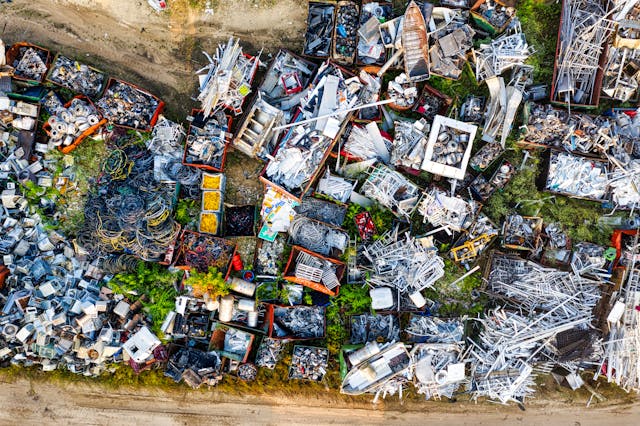
The scrap industry is rapidly shifting from traditional broker-based trade to fully digitized platforms. A digital scrap sourcing marketplace allows buyers and sellers to connect instantly, compare pricing, verify materials, and complete international scrap transactions with far greater efficiency than offline methods.
Instead of relying on local intermediaries or fragmented supplier networks, businesses now use online scrap sourcing systems to access copper, aluminum, steel, stainless steel, and electronic scrap globally. This shift is improving pricing transparency, reducing sourcing delays, and enabling more scalable procurement strategies.
As industrial demand for recycled metals continues rising, digital sourcing platforms are becoming essential infrastructure for global trade. This guide explains how these marketplaces work, what materials are traded, pricing factors, benefits, challenges, and how businesses can use them to improve procurement performance.
What Is a Digital Scrap Sourcing Marketplace?
A digital scrap sourcing marketplace is an online platform where businesses can source recyclable scrap materials directly from global suppliers.
It connects:
- Scrap suppliers
- Recycling companies
- Industrial buyers
- Exporters and importers
- Commodity traders
- Manufacturing industries
The platform acts as a centralized sourcing hub for recyclable materials.
Key Functions
- Real-time scrap listings
- Supplier discovery and matching
- Bulk RFQ (Request for Quote) systems
- Price comparison tools
- Material verification support
- Logistics coordination
Why Digital Scrap Sourcing Marketplaces Are Growing
The global scrap industry is becoming increasingly digital due to efficiency and sustainability needs.
Rising Demand for Recycled Materials
Industries prefer recycled metals because they:
- Reduce production costs
- Lower environmental impact
- Improve supply stability
- Support ESG compliance
Inefficiency of Traditional Scrap Sourcing
Traditional sourcing often suffers from:
- Lack of transparency
- Slow negotiations
- Limited supplier access
- Pricing inconsistencies
Global Supply Chain Expansion
Manufacturers now source materials globally to:
- Reduce dependency on local suppliers
- Improve cost efficiency
- Ensure material availability
Digital Procurement Transformation
Modern platforms offer:
- Instant sourcing
- Verified suppliers
- Automated matching systems
- Real-time market insights
How a Digital Scrap Sourcing Marketplace Works
These platforms follow a structured procurement process.
Step 1: Supplier Registration
Suppliers provide:
- Business verification documents
- Scrap material categories
- Available quantity
- Location details
- Export capability
Step 2: Material Listing
Listings include:
- Scrap type
- Grade and purity
- Pricing or quote availability
- Images and inspection data
Step 3: Buyer Search and Filtering
Buyers filter by:
- Material type
- Price range
- Country of origin
- Quantity requirements
Step 4: RFQ and Negotiation
Buyers request quotes and negotiate:
- Unit pricing
- Volume discounts
- Delivery terms
- Payment conditions
Step 5: Transaction and Logistics
Once agreed:
- Payment is secured
- Shipping is arranged
- Export documentation is processed
- Material is delivered
Common Materials in Scrap Sourcing Marketplaces
Copper Scrap
High-value recyclable metal used in:
- Electrical systems
- Renewable energy
- EV manufacturing
Types include bare bright copper and insulated wire scrap.
Aluminum Scrap
Widely used due to lightweight properties:
- Beverage cans
- Automotive parts
- Construction materials
Steel Scrap
Largest volume traded material globally:
- HMS 1 & 2
- Structural steel
- Shredded scrap
Stainless Steel Scrap
Industrial-grade recyclable material used in:
- Medical equipment
- Food processing
- Manufacturing
Electronic Scrap
Contains recoverable precious metals:
- Gold
- Silver
- Copper
- Palladium
Benefits of Digital Scrap Sourcing Marketplaces
For Buyers
- Faster sourcing cycles
- Global supplier access
- Transparent pricing
- Reduced procurement risk
For Sellers
- Wider buyer exposure
- Faster deal closures
- Better price competition
- Reduced dependency on local markets
For Industrial Procurement Teams
- Centralized sourcing system
- Better cost control
- Improved supplier management
Pricing Factors in Scrap Sourcing Markets
| Factor | Impact |
|---|---|
| Metal Grade | Higher purity increases value |
| Market Demand | Drives price fluctuations |
| Quantity | Bulk reduces per-unit cost |
| Logistics | Freight affects total price |
| Global Index | Commodity benchmarks |
Example Scrap Pricing
- Copper Scrap: $6,000–$9,000 per ton
- Aluminum Scrap: $1,200–$2,500 per ton
- Steel Scrap: $300–$600 per ton
- Brass Scrap: $4,000–$6,500 per ton
How Businesses Use Scrap Sourcing Platforms
Industrial Procurement
Manufacturers source recycled materials for production.
Export Expansion
Suppliers access international buyers directly.
Recycling Optimization
Recyclers monetize waste more efficiently.
Trading Operations
Traders improve deal flow and margins.
Future of Digital Scrap Sourcing Marketplaces
The industry is evolving toward automation and intelligence.
Key Trends
- AI-based supplier matching
- Automated RFQ systems
- Blockchain verification
- Smart logistics tracking
- Carbon footprint reporting
- Circular supply chain integration
FAQs
What is a digital scrap sourcing marketplace?
It is an online platform where businesses source scrap materials from verified global suppliers.
Which materials can be sourced digitally?
Copper, aluminum, steel, stainless steel, brass, and electronic scrap are commonly traded.
Why are digital scrap marketplaces important?
They improve transparency, reduce sourcing time, and provide global supplier access.
Are these platforms suitable for bulk industrial sourcing?
Yes, they support large-scale procurement and long-term supply contracts.
How do buyers ensure quality?
Through supplier verification, inspection reports, and material certification.
Conclusion
A digital scrap sourcing marketplace is transforming global procurement by making scrap trading faster, more transparent, and more efficient. Businesses can now access global suppliers, compare pricing in real time, and streamline sourcing operations through digital platforms.
Companies that adopt digital sourcing gain stronger supply chain control, better pricing visibility, and improved sustainability performance.