
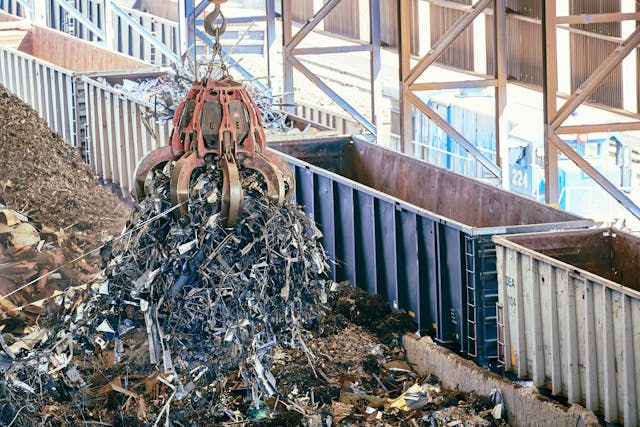
Industrial metals are no longer treated as end-of-life waste. In modern supply chains, they are valuable assets that can be recovered, refined, and reintroduced into manufacturing cycles. A global metals recovery exchange is the system that enables this transformation at scale.
Instead of relying on fragmented scrap yards or regional dealers, businesses now access structured platforms where recovered metals like copper, aluminum, steel, and stainless steel are traded globally. These systems improve material recovery rates, stabilize supply chains, and reduce dependency on virgin mining.
With rising demand for sustainable sourcing and circular economy compliance, metals recovery exchanges have become a critical infrastructure layer in global industrial trade. This guide explains how these exchanges operate, what materials are traded, pricing dynamics, benefits, and how businesses use them to scale procurement and recycling operations.
What Is a Global Metals Recovery Exchange?
A global metals recovery exchange is a digital trading system where recovered, recycled, and secondary metals are listed, sourced, and traded between verified global participants.
These platforms connect:
- Metal recyclers
- Scrap processors
- Industrial manufacturers
- Exporters and importers
- Commodity traders
- Foundries and smelters
The goal is to efficiently recover metals from waste streams and redistribute them into production supply chains.
Core functions include:
- Listing recovered metal inventory
- Matching buyers and suppliers globally
- Price discovery and benchmarking
- Quality and grading standardization
- Logistics coordination
- Export compliance support
Why Metals Recovery Exchanges Are Growing Globally
The demand for recovered metals is increasing due to structural changes in industry and regulation.
Rising demand for recycled raw materials
Manufacturers prefer recovered metals because they:
- Reduce production costs
- Lower energy consumption
- Improve ESG compliance
- Stabilize raw material supply
Pressure from sustainability regulations
Governments and industries are enforcing:
- Recycling targets
- Carbon reduction mandates
- Waste diversion requirements
Volatility in raw material markets
Mining-based metals face:
- Price fluctuations
- Supply disruptions
- Geopolitical risks
Recovered metals provide a more stable alternative.
Growth of circular manufacturing
Industries are shifting toward systems where materials are continuously reused instead of discarded.
How a Global Metals Recovery Exchange Works
The process is structured to ensure traceability and efficiency.
Metal recovery and collection
Metals are sourced from:
- Industrial waste streams
- End-of-life machinery
- Construction demolition
- Electronic waste
- Manufacturing scrap
Sorting and processing
Recovered metals are classified based on:
- Composition
- Purity level
- Contamination
- Reusability grade
Digital listing on exchange platforms
Suppliers upload:
- Metal type
- Quantity
- Grade specifications
- Location
- Pricing expectations
Buyer sourcing and matching
Buyers filter based on:
- Metal category
- Industrial application
- Price range
- Geographic sourcing
Trade execution
Once matched:
- Pricing is negotiated
- Contracts are confirmed
- Logistics are arranged
- Shipment is executed
Key Metals Traded in Recovery Exchanges
Copper recovery
High-value metal used in:
- Electrical wiring
- EV production
- Renewable energy systems
Common forms:
- Bare bright copper
- Insulated copper wire
- Copper tubing scrap
Aluminum recovery
Widely used in lightweight manufacturing:
- Automotive parts
- Aerospace components
- Packaging industries
Steel recovery
Largest volume material globally:
- Construction steel
- Structural beams
- Industrial machinery scrap
Stainless steel recovery
Used in:
- Medical equipment
- Food processing systems
- Industrial fabrication
Electronic waste metals
E-waste contains valuable materials:
- Gold
- Silver
- Palladium
- Copper
Benefits of a Global Metals Recovery Exchange
For suppliers
- Monetize scrap efficiently
- Access global demand
- Improve inventory turnover
- Reduce disposal costs
For buyers
- Lower raw material costs
- Access verified recovered metals
- Improve supply stability
- Reduce sourcing risk
For recyclers
- Expand global reach
- Improve recovery efficiency
- Increase material throughput
For industry
- Stronger circular supply chains
- Reduced mining dependency
- Lower environmental impact
How Businesses Use Metals Recovery Exchanges
Industrial procurement
Manufacturers source recovered metals for production at scale.
Recycling operations
Recyclers sell processed metals to global buyers.
Export and trading
Suppliers access international demand and pricing.
Supply chain optimization
Companies reduce dependency on virgin raw materials.
FAQs
What is a global metals recovery exchange?
It is a digital platform where recovered and recycled metals are traded between global buyers and sellers.
What metals are commonly traded?
Copper, aluminum, steel, stainless steel, and electronic waste metals are most common.
Why are recovery exchanges important?
They support circular economy systems, reduce waste, and improve global metal supply efficiency.
Who uses these platforms?
Manufacturers, recyclers, exporters, traders, and industrial procurement teams.
Is recovered metal cheaper than virgin metal?
Yes, in most cases recovered metals are more cost-efficient due to reduced processing requirements.
Conclusion
A global metals recovery exchange is reshaping how industries source and reuse critical materials. By enabling efficient recovery, transparent pricing, and global trade access, these platforms strengthen circular economy systems and reduce reliance on mining.
Businesses that integrate metals recovery exchanges into their procurement strategy gain better cost control, improved sustainability performance, and stronger global supply access.
For companies operating in recycling and industrial metals trading, platforms like Scrap Trade, Scrap Trade Australia, and Scrap Trade Now provide direct access to global buyers and verified metal recovery networks.