
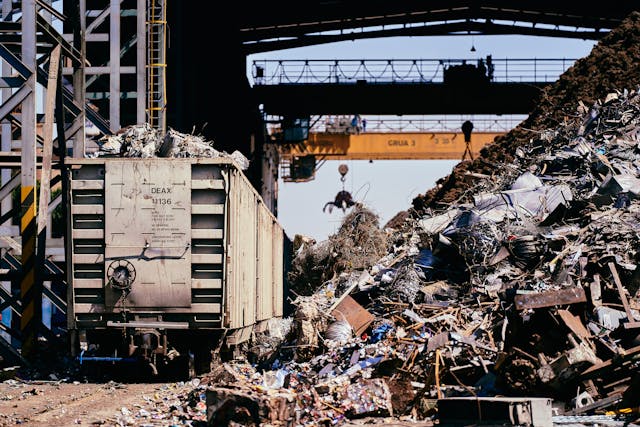
Global trade is undergoing a major transformation as industries shift toward sustainability and circular economy practices. A global recycled products exchange enables businesses to buy, sell, and trade recycled goods and secondary materials across international markets in a structured and efficient way.
Instead of treating waste or used materials as low-value outputs, companies now recognize recycled products as valuable commodities. These include recycled metals, plastics, textiles, electronics, industrial byproducts, and repurposed materials that can re-enter manufacturing cycles.
As environmental regulations tighten and demand for sustainable sourcing increases, recycled product exchanges are becoming critical infrastructure for global supply chains. This guide explains how these platforms work, what materials are traded, pricing structures, benefits, challenges, and how businesses can leverage them for growth.
What Is a Global Recycled Products Exchange?
A global recycled products exchange is a digital marketplace where businesses trade reusable, recycled, and repurposed products or materials across international markets.
It connects:
- Recycling companies
- Manufacturers
- Scrap processors
- Industrial buyers
- Exporters and importers
- Commodity traders
The main purpose is to create a structured system for exchanging recycled materials and products efficiently.
Key Functions
- Global listing of recycled products
- Buyer-seller matching
- Material classification and grading
- Price discovery tools
- Logistics coordination
- Trade verification systems
Why Global Recycled Product Exchanges Are Growing
The demand for recycled goods is increasing due to economic, environmental, and industrial pressures.
Rising Demand for Sustainable Materials
Manufacturers are increasingly adopting recycled inputs to:
- Reduce production costs
- Meet ESG requirements
- Lower carbon emissions
- Improve supply chain resilience
Resource Scarcity and Cost Pressure
Virgin raw materials are becoming more expensive due to:
- Mining limitations
- Energy costs
- Transportation expenses
Recycled products provide a cost-efficient alternative.
Regulatory and ESG Compliance
Governments and global organizations are enforcing:
- Recycling targets
- Waste reduction policies
- Carbon reporting requirements
Digitalization of Recycling Markets
Modern platforms enable:
- Real-time trading
- Verified suppliers
- Automated matching systems
- Transparent pricing
How a Global Recycled Products Exchange Works
These platforms operate through structured digital workflows.
Product Collection and Recovery
Recycled goods originate from:
- Industrial waste
- Manufacturing scrap
- Consumer recycling streams
- Construction materials
- Electronic waste
Sorting and Classification
Materials are sorted based on:
- Type
- Quality grade
- Reusability
- Contamination level
Digital Listing
Suppliers upload:
- Product details
- Quantity available
- Quality specifications
- Location
- Pricing expectations
Buyer Discovery
Buyers filter based on:
- Material type
- Price range
- Region
- Industry requirement
Trade Execution
Once matched:
- Pricing is negotiated
- Contracts are finalized
- Logistics are arranged
- Shipment is completed
Types of Recycled Products Traded Globally
Recycled Metals
One of the most valuable categories in global exchanges.
Includes:
- Copper scrap
- Aluminum scrap
- Steel scrap
- Brass and alloys
- Stainless steel
Used in:
- Construction
- Automotive
- Electrical systems
- Manufacturing
Recycled Plastics
Plastic recycling is critical for reducing pollution.
Includes:
- PET bottles
- HDPE plastics
- Industrial polymer waste
- Packaging materials
Recycled Electronics
E-waste contains valuable recoverable materials:
- Gold
- Silver
- Copper
- Palladium
Recycled Textiles
Textile recycling supports sustainable fashion:
- Cotton waste
- Polyester fibers
- Mixed fabrics
Industrial Byproducts
Includes:
- Manufacturing offcuts
- Production waste
- Industrial residues
Benefits of a Global Recycled Products Exchange
For Buyers
- Access to global suppliers
- Lower procurement costs
- Transparent pricing
- Sustainable sourcing options
For Sellers
- Global market exposure
- Faster sales cycles
- Higher demand visibility
- Reduced inventory waste
For Manufacturers
- Reduced raw material dependency
- Improved ESG performance
- Circular supply chain integration
For the Environment
- Reduced landfill usage
- Lower carbon emissions
- Resource conservation
Pricing Factors in Recycled Product Exchanges
| Factor | Impact |
|---|---|
| Material Quality | Higher quality increases value |
| Processing Level | More refinement increases pricing |
| Market Demand | Drives price fluctuations |
| Logistics Costs | Affects final pricing |
| Quantity | Bulk improves unit pricing |
| Commodity Index | Market benchmark influence |
Example Price Ranges
- Copper scrap: $6,000–$9,000 per ton
- Aluminum scrap: $1,200–$2,500 per ton
- Steel scrap: $300–$600 per ton
- Plastic waste: $400–$1,200 per ton
How Businesses Use Recycled Product Exchanges
Industrial Procurement
Companies source recycled materials for production needs.
Waste Monetization
Businesses convert waste into revenue streams.
Export Expansion
Suppliers reach international buyers efficiently.
Circular Supply Chains
Organizations integrate recycled sourcing into operations.
Future of Global Recycled Products Exchanges
The industry is rapidly evolving with advanced technologies.
Key Trends
- AI-powered material matching
- Blockchain verification systems
- Automated pricing engines
- Carbon tracking integration
- Smart logistics systems
- Circular economy platforms
FAQs
What is a global recycled products exchange?
It is a digital marketplace where businesses trade recycled goods and materials globally to support sustainable supply chains.
What materials are traded?
Metals, plastics, electronics, textiles, and industrial byproducts are commonly traded.
Why are recycled product exchanges important?
They reduce waste, improve sustainability, and create efficient global recycling networks.
Who uses these platforms?
Manufacturers, recyclers, exporters, traders, and industrial buyers.
Can recycled products be profitable?
Yes. Many businesses generate revenue by selling recovered materials globally.
Conclusion
A global recycled products exchange is reshaping international trade by turning waste and secondary materials into valuable commodities. These platforms support sustainability, reduce costs, and strengthen circular economy systems across industries.
Businesses that adopt recycled product exchanges gain access to global buyers, improved pricing transparency, and more efficient supply chains.