
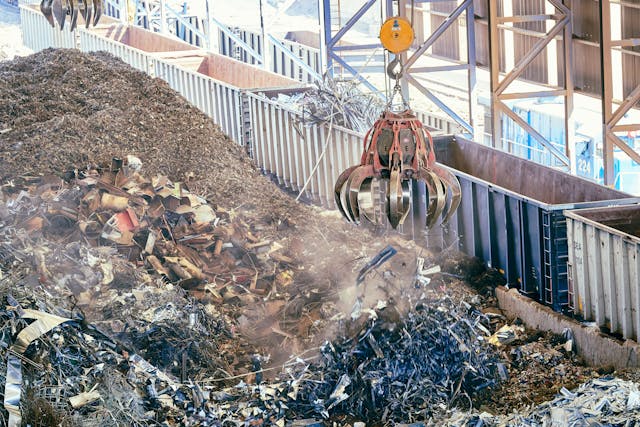
The demand for recycled materials is increasing rapidly as industries shift toward sustainability, cost reduction, and circular economy practices. However, recycling supply chains remain fragmented across regions, making it difficult for businesses to efficiently source, trade, and manage recyclable resources.
A global recycled resource network solves this challenge by connecting recyclers, scrap suppliers, manufacturers, and traders on a unified international platform. It enables real-time access to recyclable materials, transparent pricing, and efficient global trade flows.
What Is a Global Recycled Resource Network?
A global recycled resource network is a digital ecosystem that connects the supply and demand of recyclable materials across multiple countries.
It enables businesses to:
- Source recyclable materials globally
- List available recycled inventory
- Compare international pricing
- Improve recycling efficiency
- Reduce dependency on local supply chains
Instead of relying on fragmented regional recycling systems, companies can access a centralized global marketplace for recycled resources.
Why Global Recycling Networks Are Expanding
The global shift toward sustainability is driving rapid adoption of recycled material networks.
Key Growth Drivers
- Increasing environmental regulations
- Rising raw material costs
- Growth of circular economy models
- Expansion of manufacturing industries
- Demand for sustainable sourcing
Key Benefits of Global Recycling Networks
| Benefit | Impact |
|---|---|
| Global access to materials | Wider sourcing options |
| Improved pricing transparency | Better procurement decisions |
| Faster supply chain flow | Reduced delays |
| Increased recycling efficiency | Lower waste generation |
| Better sustainability outcomes | Reduced environmental impact |
Types of Recycled Resources in Global Networks
A global recycled resource network includes multiple material categories from industrial, commercial, and consumer waste streams.
Metal Resources
- Steel scrap
- Copper scrap
- Aluminum scrap
- Brass scrap
- Stainless steel scrap
Plastic Resources
- PET plastic
- HDPE plastic
- LDPE plastic
- Polypropylene (PP)
- PVC materials
Electronic Waste (E-Waste)
- Circuit boards
- Computer components
- Mobile devices
- Industrial electronics
- Wiring and cables
Industrial Recycling Materials
- Manufacturing offcuts
- Construction debris
- Machine scrap
- Production waste
Paper and Cardboard
- Waste paper
- Industrial cardboard
- Packaging materials
How a Global Recycled Resource Network Works
These platforms operate through a structured digital recycling ecosystem.
Step 1: Resource Listing
Suppliers upload recyclable materials with:
- Material type
- Quantity
- Quality grade
- Location
- Pricing details
Step 2: Global Search & Filtering
Buyers search materials based on:
- Category
- Country or region
- Price range
- Material quality
- Volume requirements
Step 3: Matching & Inquiry
Buyers and sellers connect through RFQs or direct negotiation systems.
Step 4: Logistics & Export
International recycling trade includes:
- Container shipping
- Customs documentation
- Freight coordination
- Compliance verification
Step 5: Transaction Completion
Advanced platforms may support:
- Secure payments
- Supplier verification
- Trade documentation
- Reputation scoring
Global Recycled Resource Pricing Factors
Pricing depends on global demand, material quality, and logistics conditions.
Key Pricing Drivers
| Factor | Impact |
| Material type | Determines base value |
| Purity level | Higher purity increases price |
| Global demand | Drives market fluctuations |
| Supply availability | Scarcity increases value |
| Transportation cost | Affects landed pricing |
Sample Recycled Material Price Ranges
| Material | Price Range (USD/Ton) |
| Copper Scrap | $5,500 – $8,800 |
| Aluminum Scrap | $1,200 – $2,500 |
| Steel Scrap | $250 – $500 |
| Plastic PET | $300 – $700 |
| E-Waste Boards | $1,000 – $4,000 |
Prices vary daily based on global commodity markets.
Benefits of Using a Global Recycled Resource Network
1. Global Market Access
Businesses can buy and sell recyclable materials internationally.
2. Improved Price Discovery
Users can compare global recycling prices in real time.
3. Faster Material Flow
Digital systems reduce sourcing and selling delays.
4. Reduced Waste
Efficient recycling networks minimize landfill dependency.
5. Stronger Circular Economy
Promotes reuse of materials across industries.
Challenges in Global Recycling Networks
Quality Consistency
Material quality varies across suppliers and regions.
Logistics Complexity
International shipping adds time and cost.
Regulatory Restrictions
Different countries have recycling import/export rules.
Market Volatility
Prices fluctuate due to global demand shifts.
How Digital Platforms Improve Recycling Networks
Modern platforms streamline global recycling trade through:
- Real-time inventory systems
- Verified supplier databases
- Automated RFQ tools
- Price tracking dashboards
- Export documentation support
Businesses can explore platforms like Scrap Trade to access global recycled material networks.
For Australian markets, Scrap Trade Australia provides localized recycling trade access.
For active trading and listings, Scrap Trade Now supports real-time global recycling exchange.
Use Cases of Global Recycled Resource Networks
Manufacturing Companies
Reduce raw material costs using recycled inputs.
Recycling Facilities
Source and distribute recyclable materials globally.
Commodity Traders
Profit from international price differences.
Exporters
Expand global market reach.
Construction Industry
Reuse steel and construction waste efficiently.
How to Choose the Best Recycling Network
Key Evaluation Criteria
| Feature | Importance |
| Verified suppliers | High |
| Global coverage | High |
| Transparent pricing | High |
| Logistics support | Medium |
| Real-time listings | High |
| Trade security | High |
FAQs
What is a global recycled resource network?
It is a digital system that connects global suppliers and buyers of recyclable materials, enabling efficient trade, sourcing, and pricing transparency.
Why are recycling networks important?
They improve resource efficiency, reduce waste, and support global circular economy systems.
What materials are traded globally in recycling networks?
Metals, plastics, electronic waste, paper, and industrial scrap materials are commonly traded.
How is pricing determined in recycled resource markets?
Pricing depends on material type, purity, global demand, logistics costs, and commodity market trends.
Are global recycling networks reliable?
Yes, if they include supplier verification, secure transactions, and transparent trade systems.
Conclusion
A global recycled resource network plays a vital role in modern recycling and sustainable supply chains. It improves material flow, enhances pricing transparency, and supports global environmental goals.
As industries continue shifting toward sustainability, businesses that adopt global recycling networks gain a competitive advantage in cost, efficiency, and market reach.