
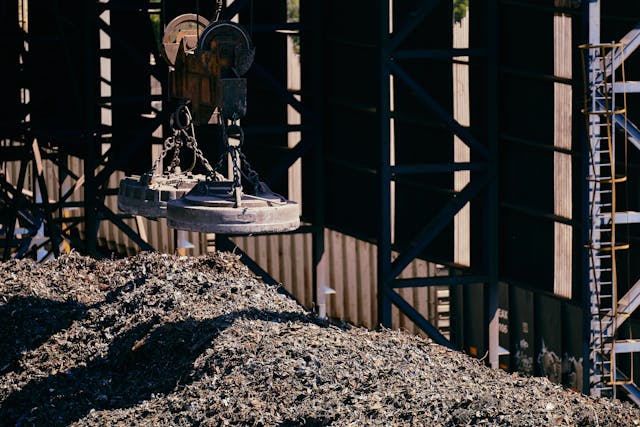
The global scrap demand supply platform is changing how scrap materials like metal, copper, aluminum, steel, and electronic waste are bought and sold worldwide. Earlier, scrap trading depended heavily on local dealers, uncertain pricing, and limited buyer access. This often resulted in low margins and inconsistent demand.
Today, digital scrap platforms connect global suppliers directly with verified buyers, making pricing more transparent and trade more scalable. In this guide, you will understand how a global scrap demand supply platform works, how pricing is structured, and how businesses can use these systems to increase profits in international scrap trading markets.
What is a Global Scrap Demand Supply Platform?
A global scrap demand supply platform is a digital marketplace that connects scrap sellers with buyers across different countries. It balances global demand and supply by matching available scrap materials with industries that need them.
These platforms typically include:
- Scrap suppliers (factories, demolition companies, recyclers)
- Scrap buyers (smelters, manufacturers, exporters)
- Brokers and trading agents
- Logistics and shipping partners
Types of scrap traded on these platforms:
- Ferrous metals (steel, iron)
- Non-ferrous metals (copper, aluminum, brass)
- Electronic waste (circuit boards, appliances)
- Industrial scrap and machinery waste
The main goal of these platforms is to streamline global scrap exchange with better pricing, faster transactions, and reduced middlemen dependency.
How Global Scrap Demand and Supply Works
The scrap market operates on a basic economic principle: demand and supply.
When demand increases in industries like construction, automotive, or manufacturing, scrap prices rise. When supply is higher than demand, prices drop.
A global scrap platform continuously tracks:
- Scrap availability from suppliers
- Industrial demand across regions
- Global commodity index movements
- Freight and logistics costs
Example Flow of Scrap Movement:
Supplier lists scrap materials on platform
Buyers place bids or accept listed prices
Platform matches demand with best supply source
Logistics arranged for shipment
Payment processed securely
This system ensures real-time balance between global scrap supply and demand.
Benefits of Using a Global Scrap Demand Supply Platform
Using a structured scrap trading platform offers strong advantages for businesses:
Higher profitability through direct buyer access without intermediaries
Better price discovery based on real-time global demand
Faster transactions with automated buyer matching systems
Wider international reach beyond local scrap yards
Improved transparency in quality and pricing standards
These platforms are especially valuable for exporters and industrial scrap suppliers looking to scale globally.
Challenges in Scrap Demand Supply Management
Despite efficiency improvements, several challenges still exist in global scrap markets.
Price volatility is one of the biggest issues, as scrap values fluctuate daily based on global commodity trends. Another challenge is inconsistent scrap quality, which affects international acceptance standards.
Logistics complexity also plays a major role, especially when shipping bulk scrap across continents. Additionally, currency fluctuations and payment risks can impact cross-border trade stability.
How Businesses Can Benefit from Scrap Platforms
To maximize profits using a global scrap demand supply platform, businesses should:
Focus on high-demand materials like copper and aluminum
Build verified buyer networks on international platforms
Monitor global scrap price trends regularly
Improve scrap grading and sorting quality
Optimize shipping and export logistics
Businesses that adopt data-driven scrap trading strategies tend to achieve higher margins and faster growth in global markets.
Future of Global Scrap Demand Supply Platforms
The future of scrap trading is becoming increasingly automated and data-driven.
Artificial intelligence is now being used to predict scrap price movements based on global demand trends. Blockchain technology is improving transaction transparency and reducing fraud risks.
Additionally, growing environmental regulations are increasing demand for recycled materials, which will further strengthen global scrap demand supply platforms.
In the coming years, these platforms will become the primary infrastructure for international scrap trading.
FAQs
What is a global scrap demand supply platform?
It is a digital marketplace that connects scrap suppliers and buyers worldwide, balancing demand and supply for metals and recyclable materials.
How do scrap prices change on these platforms?
Prices change based on global commodity indexes, demand-supply balance, material quality, and logistics costs.
Which scrap materials are most in demand globally?
Copper, aluminum, and electronic waste are the most in-demand due to high industrial usage and recycling value.
Can small businesses use scrap demand supply platforms?
Yes, small suppliers can join these platforms to access international buyers and expand their market reach.
What is the main advantage of these platforms?
They provide direct global access, better pricing transparency, and faster trading compared to traditional scrap markets.
Conclusion
The global scrap demand supply platform is transforming how scrap is traded worldwide by connecting suppliers and buyers in a transparent and efficient digital ecosystem. It helps businesses achieve better pricing, faster transactions, and global market access.