
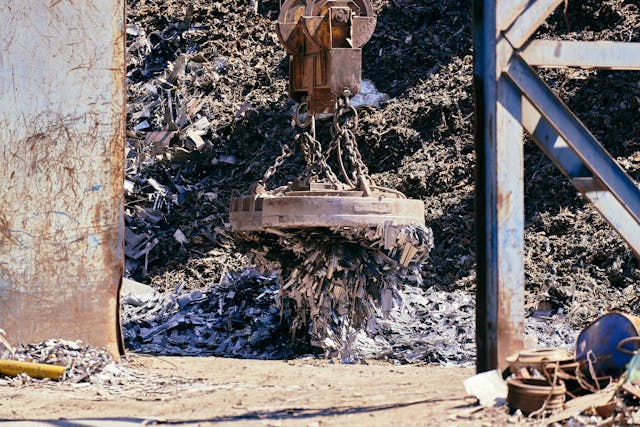
The global recycling industry is no longer a fragmented system of local scrap dealers and isolated buyers. Today, businesses operate in a highly interconnected ecosystem where scrap materials move through structured, data-driven supply chains. However, inefficiencies still exist in pricing transparency, logistics coordination, and supplier access.
A global scrap value chain platform solves these challenges by integrating every stage of scrap movement from collection and aggregation to processing and international trade into a unified digital ecosystem.
What Is a Global Scrap Value Chain Platform?
A global scrap value chain platform is a digital infrastructure that connects all participants in the scrap recycling ecosystem, including suppliers, aggregators, processors, exporters, and industrial buyers.
Unlike traditional scrap trading, which is fragmented, a value chain platform ensures seamless coordination across every stage of material flow.
Core Functions
- Scrap sourcing and supplier onboarding
- Material aggregation and consolidation
- Quality grading and standardization
- Pricing discovery and market benchmarking
- Logistics and export coordination
- Buyer-seller matchmaking
The goal is to maximize value at every stage of the scrap lifecycle.
How a Global Scrap Value Chain Platform Works
Step 1: Scrap Collection from Multiple Sources
Scrap is collected from:
- Manufacturing units
- Industrial plants
- Construction sites
- Demolition projects
- Small scrap vendors
Step 2: Aggregation and Processing
Collected scrap is sorted and processed based on:
- Material type
- Purity level
- Contamination
- Industry classification
This ensures consistency for downstream buyers.
Step 3: Value Addition Through Standardization
Scrap is upgraded through:
- Cleaning and segregation
- Compaction and baling
- Quality certification
- Material grading
This step significantly increases resale value.
Step 4: Global Buyer Distribution
Once standardized, materials are listed for global buyers who can:
- Compare pricing
- Evaluate quality
- Place bulk orders
- Negotiate contracts
Step 5: Logistics and Trade Execution
The platform manages:
- Export documentation
- Freight booking
- Container optimization
- Customs clearance
- Delivery tracking
Types of Scrap in Global Value Chain Platforms
Metal Scrap Segment
- Copper scrap
- Aluminum scrap
- Steel scrap
- Brass scrap
- Zinc scrap
Plastic Scrap Segment
- PET flakes
- HDPE granules
- LDPE film waste
- PP industrial scrap
- PVC recycling feedstock
Paper Scrap Segment
- OCC cardboard
- Mixed paper waste
- Kraft paper
- Industrial pulp waste
Industrial Byproducts
- Slag
- Fly ash
- Foundry sand
- Rubber waste
- Machine shavings
Benefits of a Global Scrap Value Chain Platform
1. Higher Profit Margins
- By eliminating intermediaries and improving efficiency, suppliers achieve better pricing.
2. Transparent Pricing System
- Real-time market data ensures fair pricing based on global demand.
3. Efficient Supply Chain Management
- All stakeholders operate within a structured digital ecosystem.
4. Global Market Access
- Even small suppliers can reach international industrial buyers.
5. Reduced Waste Leakage
- More scrap is recovered and reused instead of being discarded.
Challenges in Scrap Value Chain Systems
Fragmented Supplier Base
- Small suppliers often lack standardization.
Quality Variation
- Inconsistent grading affects pricing accuracy.
Logistics Complexity
- Cross-border scrap movement requires compliance and coordination.
Price Volatility
- Commodity prices fluctuate based on global economic conditions.
How to Choose a Global Scrap Value Chain Platform
Strong Supplier Verification
- Ensure strict onboarding processes for suppliers and buyers.
Integrated Logistics Support
- Platforms should manage shipping, warehousing, and customs.
Transparent Market Pricing
- Real-time pricing or index-based systems improve trust.
Global Buyer Network
- Wide international reach ensures better liquidity.
FAQs
What is a global scrap value chain platform?
- It is a digital ecosystem that connects scrap suppliers, processors, and buyers across the world to optimize recycling and material flow efficiency.
How does a scrap value chain platform increase profit?
- It reduces intermediaries, improves pricing transparency, and enables global market access, leading to higher margins.
What materials are traded in scrap value chain platforms?
- Metals, plastics, paper, and industrial byproducts are commonly traded globally.
Why is scrap consolidation important?
- It improves logistics efficiency, standardizes quality, and increases buyer demand.
Who uses scrap value chain platforms?
- Recyclers, manufacturers, exporters, scrap traders, and industrial procurement teams use these systems.
Conclusion
- A global scrap value chain platform transforms fragmented recycling markets into an integrated, efficient, and profitable ecosystem. It enhances pricing transparency, streamlines logistics, and connects global buyers and sellers in real time.
- As sustainability becomes a global priority, value chain platforms will play a critical role in optimizing scrap recycling systems and supporting the circular economy.