
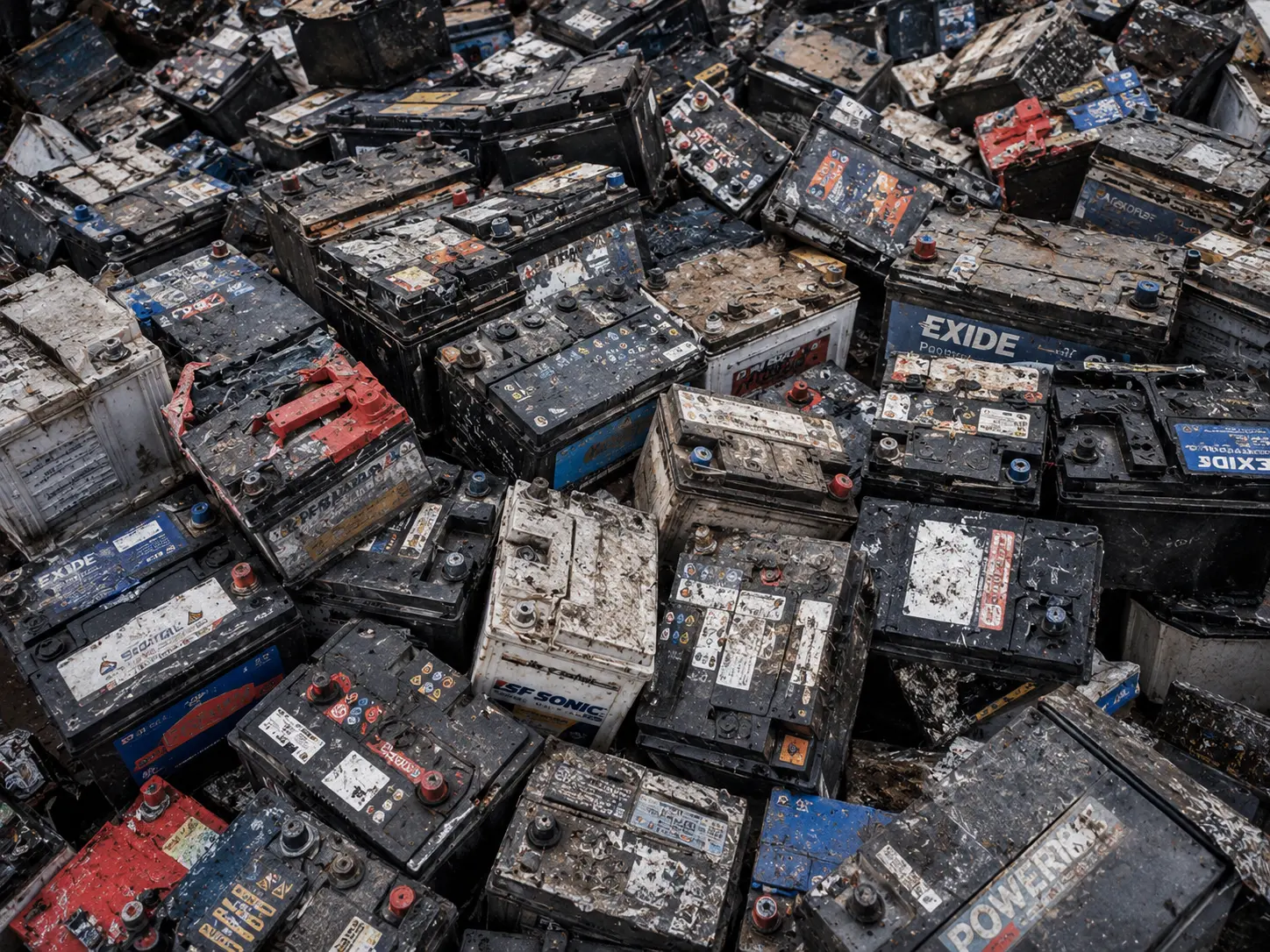
If you have an old car battery sitting in your garage, you may be wondering how much old batteries are worth as scrap in Australia. Used lead-acid batteries contain valuable recyclable materials, primarily lead and plastic, which makes them attractive to scrap yards, battery recyclers, and metal recovery facilities across the country.
The scrap value of an old battery depends on several factors, including its size, weight, lead content, condition, and current lead market prices. While a single automotive battery may not generate a large payout, recycling old batteries is still a practical way to recover value while ensuring environmentally responsible disposal. For mechanics, auto workshops, wreckers, transport operators, and vehicle owners with multiple batteries, the returns can add up quickly. Understanding how battery scrap pricing works can help sellers maximise their earnings and choose the best recycling option in Australia.
How Much Are Old Car Batteries Worth in Australia?
Old car batteries have value because they contain recyclable lead, plastic, and other recoverable materials. In Australia, scrap battery prices are typically based on weight, lead content, and prevailing commodity market conditions. Larger batteries generally attract higher payouts because they contain more recoverable lead.
Average Scrap Battery Prices (2026)
| Battery Type | Estimated Value |
|---|---|
| Small Car Battery | $5 – $15 each |
| Standard Car Battery | $10 – $25 each |
| 4WD & Truck Battery | $20 – $50 each |
| Commercial Lead-Acid Batteries | $50+ depending on weight |
Actual prices vary between recyclers, battery collection programs, and scrap yards depending on local demand and lead market conditions.
What Determines Battery Scrap Value?
- Weight: Heavier batteries contain more lead and generally receive higher payouts.
- Lead Content: Lead is the primary value component in most automotive batteries.
- Battery Type: Truck, industrial, and commercial batteries usually contain more recoverable material than standard passenger vehicle batteries.
- Market Conditions: Global lead prices directly influence scrap battery values.
- Quantity Sold: Bulk loads from workshops, transport fleets, and wreckers often receive better pricing than individual batteries.
What Determines Scrap Battery Value?
The value of a scrap battery in Australia is primarily based on the amount of recoverable lead it contains, current commodity prices, and the volume being sold. Understanding these factors can help sellers estimate potential returns and negotiate better rates with recyclers.
Battery Weight
Battery weight is one of the most important pricing factors because lead makes up a significant portion of a lead-acid battery.
Small batteries = lower value due to lower lead content
Truck batteries = higher value because they contain more recoverable material
Industrial batteries = premium pricing thanks to their substantial weight and lead volume
In general, heavier batteries attract higher payouts because recyclers can recover more lead during processing.
Lead Market Prices
Lead is the primary material recovered from automotive and industrial batteries.
When global lead prices increase:
Scrap battery prices typically rise
Recyclers can offer higher rates per kilogram
Demand for used batteries often strengthens across the recycling sector
Because battery scrap values are closely linked to lead markets, pricing can fluctuate throughout the year.
Quantity Being Sold
Volume also plays a major role in determining battery scrap value.
Buyers often offer more competitive rates for bulk quantities from:
Mechanics and automotive service centres
Auto workshops
Fleet operators
Vehicle wreckers
Large loads reduce collection and processing costs for recyclers, allowing them to pay higher rates compared to single battery transactions.
Why Are Old Car Batteries Valuable?
Old car batteries retain scrap value because they contain highly recyclable materials that can be recovered and reused in new manufacturing processes. Lead-acid batteries are among the most successfully recycled products in the world, making them an important part of Australia's recycling industry.
Lead Recovery
A typical lead-acid battery contains several valuable components:
- Lead plates
- Lead oxide
- Plastic casing
- Sulfuric acid
The majority of a battery's value comes from its lead content, which can be recovered, refined, and reused in the production of new batteries and industrial products.
More than 95% of a lead-acid battery can typically be recycled and reintroduced into manufacturing, making it one of the most efficient recycling streams available.
Environmental Benefits
Battery recycling delivers significant environmental advantages beyond its scrap value.
Recycling old batteries helps:
- Prevent hazardous materials from entering landfill
- Recover valuable lead and plastic for reuse
- Reduce the need for new mining and raw material extraction
- Support Australia's growing circular economy initiatives
Proper recycling ensures that potentially harmful substances are handled safely while conserving valuable resources that would otherwise be lost.
Scrap Battery Prices by Battery Type
Scrap battery prices in Australia vary based on size, weight, and lead content. Different battery categories are valued differently because they contain varying amounts of recoverable lead and industrial-grade materials.
Standard Car Batteries
Standard passenger vehicle batteries are the most commonly recycled type in Australia.
- Typically found in small to mid-sized cars
- Contain a moderate amount of recoverable lead
- Widely accepted at scrap yards and battery recyclers
- Consistent demand ensures stable pricing throughout the year
These batteries generally attract moderate scrap value, but their high availability makes them one of the most frequently traded battery types in the recycling market.
Truck & Heavy Vehicle Batteries
Truck and heavy vehicle batteries generally deliver higher scrap value than standard car batteries due to their larger size and increased lead content.
These batteries typically contain:
- More lead plates
- Greater overall weight
- Higher recoverable material volume
Because of this, they attract stronger payouts from scrap yards and battery recyclers. In most cases, truck and commercial batteries are worth significantly more than passenger vehicle batteries, especially when sold in bulk quantities from transport operators, workshops, or fleet maintenance facilities.
Industrial Lead-Acid Batteries
Industrial lead-acid batteries are used in high-demand commercial and infrastructure environments where reliable backup or power supply is essential.
Common applications include:
- Forklifts and warehouse equipment
- Backup power systems (UPS units)
- Large-scale warehouse operations
- Telecommunications infrastructure
These batteries are often larger and heavier than standard automotive units, resulting in higher recoverable lead content. As a result, they typically command stronger scrap values, particularly when collected in bulk from industrial sites or logistics operators.
Where to Sell Old Car Batteries in Australia
Selling old car batteries in Australia is straightforward, but choosing the right buyer can significantly impact your final return. Different channels offer varying convenience, pricing, and service levels depending on whether you’re disposing of a single battery or managing bulk industrial quantities.
Local Scrap Metal Yards
Local scrap metal yards are the most common option for individuals and small sellers.
Benefits include:
- Immediate payment on delivery
- Simple drop-off process
- Widely available across most Australian cities and regional areas
These yards are ideal for occasional sellers with a few used car batteries, as they provide quick turnaround and easy access without requiring pre-arranged collection.
Battery Recycling Companies
Specialised battery recyclers focus specifically on safe handling and large-scale processing of lead-acid batteries.
These companies typically:
- Accept bulk and commercial volumes
- Offer scheduled pickup services for businesses
- Purchase industrial, forklift, and heavy-duty batteries
They are often preferred by mechanics, transport companies, and warehouses that generate consistent battery waste.
Car Battery Scrap vs Other Scrap Metals
Car batteries hold a moderate position in the Australian scrap market when compared to other common recyclable metals. Their value is primarily driven by recoverable lead content, but they still sit below high-value non-ferrous metals like copper and brass.
Scrap Metal Value Comparison
| Material | Typical Value |
|---|---|
| Copper | Highest |
| Brass | High |
| Aluminium | Medium |
| Car Batteries | Medium |
| Steel | Low |
FAQs
1. How much is a scrap car battery worth in Australia?
Most scrap car batteries in Australia are typically worth between $5 and $25 each, depending on their size, weight, lead content, and current market conditions for lead. Larger batteries with higher lead content generally attract higher payouts.
2. Do scrap yards buy old car batteries?
Yes, most scrap metal yards and battery recycling facilities across Australia accept used lead-acid batteries. Payments are usually based on weight and recoverable lead content, and many locations offer immediate cash or bank transfer upon drop-off.
3. Are truck batteries worth more than car batteries?
Yes. Truck and commercial batteries are usually worth more because they are larger, heavier, and contain more recoverable lead. This results in higher scrap value compared to standard passenger vehicle batteries.
4. Can I sell a dead car battery for scrap?
Yes. A car battery does not need to be functional to have value. Scrap recyclers are primarily interested in the lead, plastic casing, and other recyclable materials, not whether the battery still holds a charge.
5. Is it legal to recycle old car batteries in Australia?
Yes. Recycling old car batteries is legal and actively encouraged in Australia. Proper recycling helps recover valuable materials like lead while reducing environmental risks associated with improper disposal.
Conclusion
Old car batteries continue to hold real value even after they are no longer functional. In Australia, the scrap battery price is mainly determined by weight, lead content, and fluctuations in global lead markets, with most standard car batteries typically worth around $10 to $25 each.
While individual returns may be modest, the value increases significantly for larger batteries such as truck or industrial units, especially when sold in bulk. For vehicle owners, mechanics, and fleet operators, recycling old batteries is not only a practical way to recover additional income but also an important step in responsible waste management. By selling through trusted scrap buyers and battery recyclers, sellers can ensure fair pricing while contributing to efficient material recovery and environmental sustainability.