
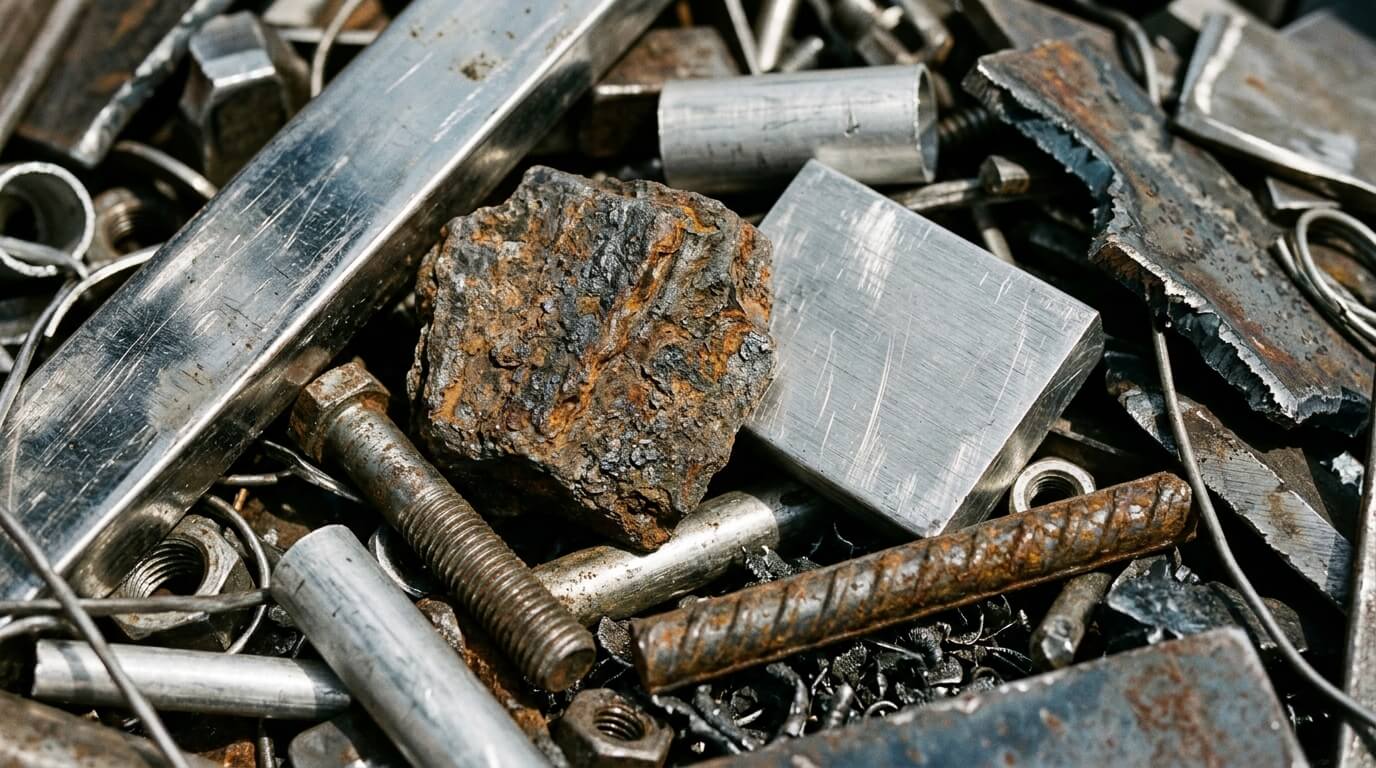
Understanding how much scrap metal is worth is difficult because prices change daily and vary by metal type, purity, and location. Many sellers assume scrap is low-value, but metals like copper, aluminium, stainless steel, and brass can generate significant returns when properly sorted. The confusion usually comes from not knowing the difference between grades, or how scrapyards calculate payouts based on global commodity markets.
This guide explains scrap metal value in 2026, how pricing works across different metals, what affects per-kg rates, and how to maximize returns. You will also see which metals are most valuable, how weight vs grade impacts pricing, and how to get accurate quotes from buyers.
Scrap Metal Value in Australia (2026 Overview)
Current Price Ranges Per Kg
| Metal Type | Typical Value (AUD/kg) |
|---|---|
| Copper (Bright / Clean) | $10 – $15 |
| Brass | $4.50 – $9.50 |
| Aluminium | $0.80 – $3.50 |
| Stainless Steel | $0.50 – $4.50 |
| Lead (Batteries) | $0.80 – $2.50 |
| Steel / Iron | $0.10 – $0.55 |
Most Valuable Scrap Metals Ranked (Australia 2026)
1. Copper (Highest Value Metal)
Copper remains the most valuable scrap metal in Australia due to its high electrical conductivity and strong industrial demand across construction, energy, and electronics sectors.
Common forms include bright copper wire, copper pipes, and electrical cabling.
Typical value: $10–$15/kg
2. Brass
Brass is a copper-zinc alloy widely used in plumbing, fittings, and industrial components. Its value is strongly linked to copper content, meaning higher-grade brass achieves better pricing.
Typical value: $4.50–$9.50/kg
Higher copper content directly results in higher scrap returns.
3. Aluminium
Aluminium pricing varies significantly depending on grade and purity. Clean industrial forms achieve higher values, while household and lightweight materials sit at the lower end of the scale.
Extrusions generally attract premium pricing, while mixed aluminium, cans, and foil achieve lower rates.
Typical range: $0.80–$3.50/kg
4. Stainless Steel
Stainless steel values vary widely based on grade and alloy composition. High-nickel grades achieve stronger prices, while lower-grade stainless sits at the bottom of the range.
316 stainless is the most valuable, followed by 304 and 430 grades.
Typical range: $0.50–$4.50/kg
5. Steel / Iron (Lowest Value but Highest Volume)
Steel is the most widely recycled metal in Australia by volume but has the lowest per-kilogram value due to its abundance and processing costs.
Despite low pricing, large-scale supply from construction and demolition makes it economically significant.
Typical range: $0.10–$0.55/kg
Steel is often traded per tonne rather than per kilogram due to bulk quantities.
Price Per Kg vs Price Per Tonne Explained
Why Both Pricing Models Exist
Scrap metal pricing in Australia is typically shown in two different units depending on the seller type and transaction volume.
| Unit | Used For |
|---|---|
| Per kg | Small sellers, households, trades |
| Per tonne | Industrial, demolition, factories |
Per kilogram pricing is commonly used for smaller transactions where weights are easy to measure in low volumes. In contrast, per tonne pricing is standard in industrial scrap markets where materials are sold in bulk quantities.
Steel is the most common example of a metal priced per tonne because of its low value per kilogram and extremely high volume supply from construction, demolition, and manufacturing sectors.
Example Conversion
A simple way to understand the relationship between the two pricing models:
- $300 per tonne steel = $0.30 per kg
- $500 per tonne steel = $0.50 per kg
Why Scrap Metal Prices Change Daily
Scrap metal prices in Australia fluctuate frequently because they are closely linked to global commodity markets and real-time economic conditions. Unlike fixed retail pricing, scrap values move in response to international supply and demand forces.
Several key factors drive these daily changes:
LME price movements – The London Metal Exchange updates benchmark metal prices regularly, directly impacting local scrap valuations.
Currency exchange rates – Changes in the AUD/USD rate affect export competitiveness and local buying prices.
Export demand shifts – Overseas mills and refiners adjust purchasing activity based on global industrial demand.
Local supply variations – The availability of scrap metal in the domestic market influences competition among buyers.
Seasonal construction cycles – Construction and demolition activity can increase or reduce scrap supply at different times of the year.
FAQs
What is scrap metal worth in Australia per kg?
Scrap metal values in Australia typically range from $0.10/kg for steel up to around $15/kg for copper, depending on the metal type, grade, cleanliness, and overall market demand. Non-ferrous metals generally achieve significantly higher prices than ferrous metals.
What is the most valuable scrap metal?
Copper is the most valuable commonly traded scrap metal in Australia due to its excellent conductivity, high industrial demand, and strong global pricing. Bright and clean copper grades typically achieve the highest returns.
Why do scrap metal prices change so often?
Scrap metal prices fluctuate frequently because they are linked to global commodity markets. Key drivers include international metal prices, currency exchange rates, supply and demand shifts, export activity, and changes in industrial production levels.
Is it better to sell scrap metal per kg or per tonne?
Smaller quantities of scrap metal are usually priced per kilogram, making transactions easier for households and trades. Larger industrial or commercial volumes are typically priced per tonne for efficiency and bulk trading purposes.
How can I get the best scrap metal price?
To maximise returns, it is important to sort metals by type and grade, remove contamination, and accumulate larger volumes before selling. Comparing multiple buyers and using competitive scrap marketplaces can also help secure higher payouts.
Conclusion
The scrap metal value in Australia (2026) is strongly influenced by metal type, purity, and global commodity market conditions. High-value non-ferrous metals such as copper and brass continue to lead the market due to strong industrial demand and high recyclability.
Aluminium and stainless steel offer mid-range returns depending on grade and cleanliness, while ferrous metals like steel deliver lower per-kilogram prices but remain significant due to large-scale bulk volumes across construction, demolition, and manufacturing sectors.
Overall, profitability in scrap metal trading comes down to correct sorting, contamination control, and understanding grade differences. Sellers who compare buyers and stay aligned with market pricing trends are consistently able to achieve stronger returns across all major metal categories.