

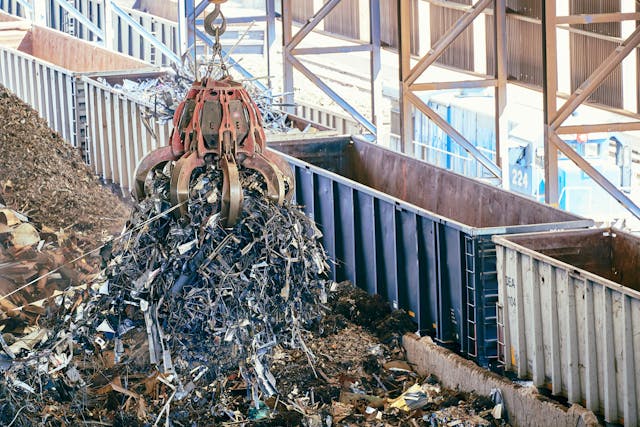
How scrap value is calculated, the goal is usually to understand why two similar items can have very different payouts at a scrap yard. Scrap pricing is not random it follows a structured calculation based on weight, metal type, purity, global market rates, and processing costs.
Whether you are selling copper, aluminium, steel, vehicles, or appliances, every scrap item is broken down into measurable components before pricing. In this guide, you will learn exactly how scrap yards calculate value, what factors increase or reduce payouts, and how you can estimate scrap prices before selling.
Key Factors Used to Calculate Scrap Value
1. Weight of the material
Weight is the most basic factor in scrap pricing.
- Measured in kilograms or tonnes
- Heavier items = higher total payout
- Large items like vehicles or appliances are valued mainly by weight
Even if metal type is valuable, low weight limits total value.
2. Type of metal (most important factor)
Different metals have different base prices.
| Metal Type | Value Level |
|---|---|
| Copper | Highest |
| Brass | High |
| Aluminium | Medium-high |
| Steel | Low |
| Mixed metal | Lowest |
Copper consistently leads scrap pricing due to high industrial demand.
3. Purity and cleanliness
Scrap yards heavily adjust pricing based on contamination.
Examples:
- Clean copper wire → high value
- Copper with plastic insulation → reduced value
- Aluminium with paint or steel attachments → lower price
Cleaner scrap = higher payout per kg.
4. Market price of metals
Scrap value follows global commodity markets.
Prices fluctuate due to:
- Industrial demand
- Mining supply
- Energy costs
- International trade conditions
For example, copper prices often rise when construction and EV production increase globally.
5. Processing and labor cost
Scrap yards deduct costs for:
- Sorting
- Cutting or dismantling
- Removing contaminants
- Transport and logistics
If an item requires more work, the payout decreases.
6. Demand for specific scrap materials
Local demand affects pricing significantly.
- High demand = better rates
- Low demand = reduced payout
For example, aluminium cans may pay differently depending on recycling demand at that time.
7. Bulk quantity vs small loads
Volume matters in scrap pricing.
- Bulk loads → higher negotiated rates
- Small quantities → standard lower rates
Large industrial sellers usually receive better pricing than household sellers.
Scrap Value Calculation for Vehicles
Vehicle scrap value is more complex.
It includes:
- Total vehicle weight
- Steel content percentage
- Engine and gearbox usability
- Copper wiring and aluminium parts
Formula concept:
Vehicle Value = Metal Weight × Steel Rate + Reusable Parts Value
This is why two identical cars can have different scrap prices.
Scrap Value for Appliances (Fridges, TVs, Freezers)
Appliances are calculated based on:
- Steel casing weight
- Copper compressor parts
- Aluminium components
- Labour required for gas removal
Example:
A fridge may have low steel value but higher copper recovery value.
How Scrap Yards Adjust Final Price
Even after calculation, scrap yards apply adjustments:
Deductions:
- Contamination fees
- Transport costs
- Sorting charges
Add-ons:
- High-grade clean metal bonus
- Bulk volume premium
- Market surge pricing
How to Estimate Scrap Value Yourself
Step 1: Identify material type
Copper, aluminium, steel, etc.
Step 2: Weigh your scrap
Use household or industrial scales.
Step 3: Check current market rate
Rates change daily based on global pricing.
Step 4: Apply cleanliness adjustment
Clean scrap = full rate
Mixed scrap = reduced rate
Tips to Increase Scrap Value
Separate metals properly
Sorting copper, aluminium, and steel increases payout.
Remove contamination
Plastic, rubber, and screws reduce value.
Sell in bulk
Larger quantities get better pricing.
Compare scrap yards
Different buyers offer different daily rates.
For real-time pricing trends and buyer comparisons, platforms like ScrapTrade Australia help sellers track market movements and improve selling decisions.
FAQs – How Scrap Value Is Calculated
1. How is scrap value calculated?
Scrap value is calculated based on weight, metal type, market price, and processing costs. Clean, heavy, high-demand metals like copper usually get the highest value per kilogram.
2. Why do scrap prices change daily?
Scrap prices change because they follow global metal markets, which fluctuate due to supply, demand, and economic conditions.
3. Which factor affects scrap value the most?
Metal type is the most important factor, followed by purity and cleanliness. Copper consistently has the highest value.
4. Do scrap yards pay for weight or item?
Scrap yards primarily pay by weight, but item condition and usability of parts can increase or reduce the final value.
5. How can I get the highest scrap value?
Separate metals, clean materials, sell in bulk, and compare multiple scrap buyers before selling.
Conclusion
Understanding how scrap value is calculated helps you take control of your selling decisions instead of accepting random pricing. Scrap value is determined by a combination of weight, metal type, purity, and global market conditions, with adjustments made for processing and demand.
By properly sorting materials, cleaning scrap, and tracking market rates, you can significantly increase your payout. Using platforms like ScrapTrade Australia can help you stay updated on pricing trends and make more informed selling choices.