
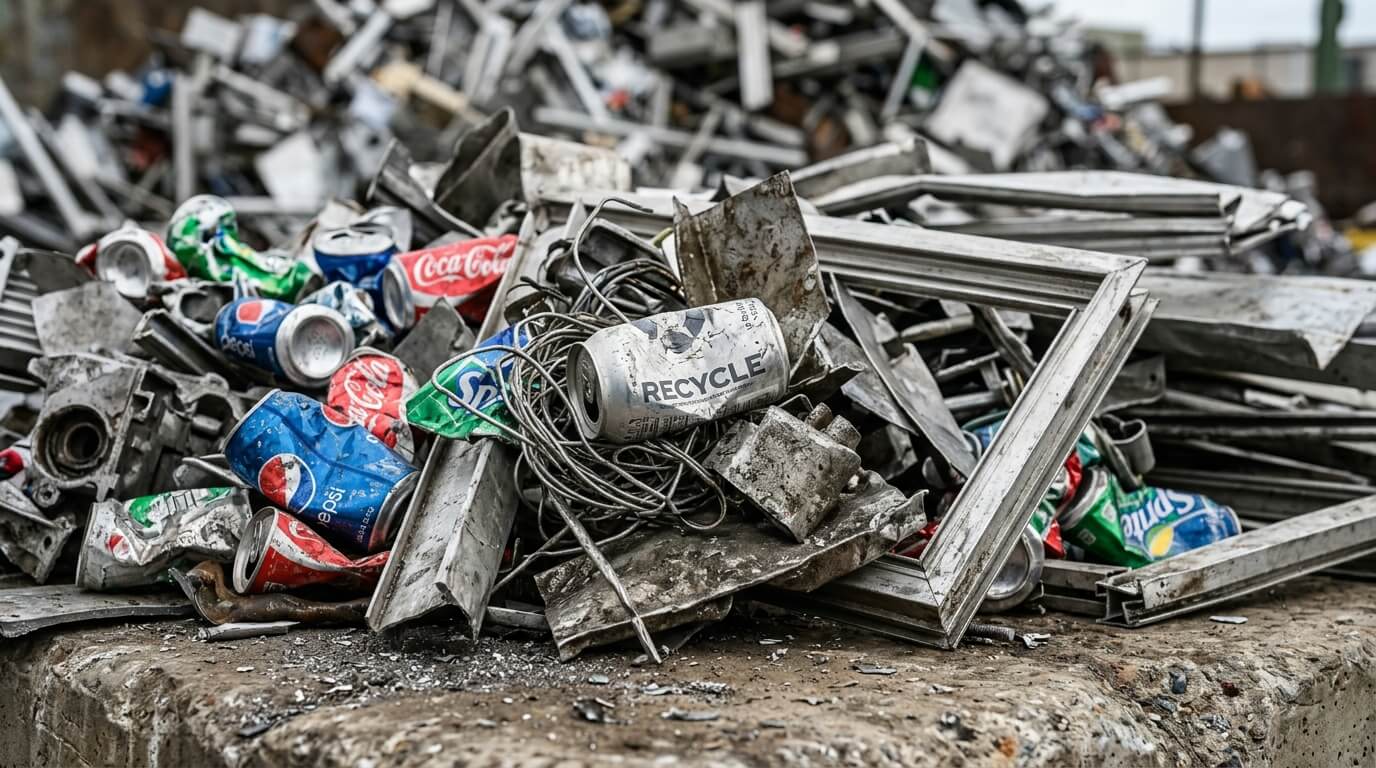
Many sellers underestimate how much preparation affects aluminium scrap prices per kg in Australia. Aluminium is widely traded, but scrap yards don’t pay a single fixed rate pricing depends heavily on cleanliness, grade, and how well the material is sorted before delivery.
Dirty, mixed, or poorly prepared aluminium can be downgraded significantly, while clean, well-sorted aluminium extrusions or sheet material consistently achieves higher returns. In competitive scrap markets like Perth, Sydney, and regional Australia, preparation can make the difference between average payout and premium pricing.
Why Aluminium Preparation Impacts Scrap Value
Aluminium scrap pricing is strongly influenced by how much processing is required before it can be recycled. Scrap buyers evaluate aluminium based on recovery efficiency, meaning cleaner and better-sorted material reduces operational costs and improves resale potential.
Key Pricing Factors
Aluminium scrap value is determined by several important conditions. The cleanliness of the material plays a major role, as contaminants increase sorting and refining costs. Different aluminium grades such as extrusion, sheet, cast, and mixed scrap are priced differently depending on purity and ease of processing. The presence of attached materials like steel, plastic, or rubber also reduces value because it requires additional separation work. Transport and handling costs are factored in by buyers when assessing bulk loads, especially for lower-grade material. Finally, global market demand for recycled aluminium influences overall pricing trends.
Aluminium Scrap Grades You Should Know
Aluminium Extrusion (Highest Value)
Aluminium extrusion includes materials such as window frames, door frames, structural aluminium sections, and clean, unpainted profiles. This grade is considered the most valuable because it is typically uniform, low in contamination, and requires minimal processing before recycling. Its consistency and purity make it highly desirable for recyclers, resulting in the highest scrap price per kilogram.
Highest scrap price due to purity and ease of recycling.
Aluminium Sheet
Aluminium sheet scrap comes from roofing sheets, panels, and light fabrication materials. This grade generally holds moderate to high value depending on how clean and free from coatings or contaminants it is. Painted or heavily weathered sheet can reduce pricing due to extra processing requirements.
Moderate-high value depending on contamination.
Cast Aluminium
Cast aluminium is commonly found in engine parts, machinery components, and automotive housings. It typically has lower value compared to extrusion or sheet aluminium because it contains alloy impurities that require more intensive processing during recycling.
Lower value due to alloy impurities.
Mixed Aluminium Scrap
Mixed aluminium includes a combination of different grades and often contains attachments, coatings, or other contaminants. Because it requires additional sorting and cleaning before processing, it is usually priced at the lowest aluminium scrap category.
Lowest value category.
Step-by-Step Aluminium Scrap Preparation Process
Step 1 : Sort Aluminium by Grade
Begin by separating aluminium into clear categories such as extrusions, sheet aluminium, cast aluminium, and mixed scrap. Proper grading is essential because each category is priced differently based on purity, processing effort, and recycling efficiency. Mixing high-grade aluminium like extrusion with lower-grade or contaminated material such as cast or mixed scrap reduces the overall value of the entire load, as buyers will typically price it at the lowest category.
Step 2 : Remove Contaminants
Carefully remove any non-aluminium materials attached to the scrap to improve its quality and market value. Common contaminants include steel screws and bolts, plastic fittings, rubber seals, and any wood, foam, or insulation materials that may be attached to aluminium components.
Even small amounts of contamination can downgrade the material classification, which directly reduces the price offered by scrap buyers. Cleaner aluminium is easier to process and is more likely to be classified as a higher-grade material, resulting in better overall returns.
Step 3 : Strip Paint or Coating (When Worth It)
Aluminium that has paint, powder coating, or oxidation is often priced lower because it requires extra processing during recycling. Clean aluminium consistently achieves higher payouts, while painted or heavily coated material is typically downgraded due to increased refining effort.
Stripping coatings is only worthwhile when dealing with high-grade or high-volume aluminium, where the potential price difference justifies the additional labour and time involved.
Step 4 : Compact or Bundle Aluminium
Preparing aluminium in a compact and organised form improves handling efficiency and can positively influence buyer interest. Aluminium extrusions can be bundled together, sheet materials can be stacked neatly, and bulky items can be compressed where possible to reduce volume.
Well-organised loads are easier to transport, which can reduce logistics costs and make your material more attractive to buyers.
Step 5 : Weigh and Estimate Quantity
Before listing aluminium scrap, it is important to estimate the total weight and separate materials by category. Accurate weight estimation helps buyers assess value and transport requirements more effectively.
Keeping simple records of quantities by grade also strengthens your negotiation position, as it provides transparency and reduces uncertainty during pricing discussions.
Cleaning Aluminium for Maximum Scrap Value
What “Clean Aluminium” Means
Clean aluminium refers to scrap that is free from any foreign materials or contaminants that can reduce its recycling efficiency or downgrade its grade classification. This includes the absence of steel attachments, paint layers, heavy coatings, mixed metal components, and any plastic or rubber parts. The cleaner the aluminium, the easier it is for recyclers to process it, which directly improves its market value.
Simple Cleaning Methods
Preparing aluminium for higher scrap value does not always require complex tools. In many cases, basic manual cleaning is enough to significantly improve its grade. This includes removing screws, bolts, and fittings by hand, scraping off minor residues or attached materials, and cutting away non-aluminium sections wherever possible to isolate pure aluminium components.
Aluminium Scrap Pricing Impact (Clean vs Dirty)
| Aluminium Type | Price Range (AUD/kg) |
|---|---|
| Clean Extrusion | $2.00 – $3.50 |
| Clean Sheet | $1.50 – $3.00 |
| Cast Aluminium | $0.80 – $2.00 |
| Mixed/Dirty Aluminium | $0.50 – $1.50 |
Getting the Best Aluminium Scrap Price in Australia
Compare Multiple Buyers
Aluminium scrap prices can vary significantly between buyers depending on export demand, local stock availability, and processing capacity. Because of these differences, comparing multiple offers is essential to secure the best possible return for your material.
Sell in Bulk When Possible
Bulk aluminium loads generally attract stronger pricing because they reduce handling and transport frequency for buyers. Larger volumes often qualify for pickup services and may also result in lower deductions during processing, improving overall per-kilogram returns.
Keep Grades Separate Until Sale
Maintaining separate aluminium grades until after receiving quotes helps preserve maximum negotiating power. Mixing materials before listing can lead to downgraded pricing, as buyers typically value mixed loads at the lowest applicable category.
Clear separation allows buyers to accurately assess value and compete more effectively.
Common Mistakes That Reduce Aluminium Scrap Value
Mixing All Aluminium Types
One of the most common errors is combining different aluminium grades into a single load. When extrusion, sheet, cast, and mixed aluminium are not separated, buyers typically classify the entire batch at the lowest grade, significantly reducing the overall payout.
Leaving Steel Attachments
Even small steel components such as screws, brackets, or bolts can negatively impact aluminium grading. These attachments increase processing effort for recyclers and often lead to deductions or downgraded pricing, even if the aluminium itself is high quality.
Selling Without Sorting
Unsorted aluminium scrap is almost always valued at the lowest category because buyers must account for additional sorting and processing work. Proper separation before sale improves pricing accuracy and increases the chances of receiving higher offers from multiple buyers.
FAQs
How do I get the best price for aluminium scrap in Australia?
To get the best price, separate aluminium by grade, remove contaminants like steel or plastic, and compare multiple buyers before selling. Clean, well-sorted aluminium attracts higher per-kilogram pricing because it reduces processing costs for recyclers.
What type of aluminium scrap pays the most?
Clean aluminium extrusion usually pays the highest due to its high purity, uniformity, and minimal processing requirements. It is easier to recycle and therefore commands stronger market prices compared to other aluminium grades.
Does dirty aluminium still have value?
Yes, dirty or mixed aluminium still has value, but it is typically downgraded. Because it requires additional sorting and cleaning, buyers pay a lower rate per kilogram compared to clean aluminium grades.
Should I remove paint from aluminium scrap?
Removing paint is only worthwhile if it significantly increases value and you are dealing with large volumes. In many cases, scrap yards accept coated aluminium and handle the processing themselves, so manual stripping may not be necessary.
Is it better to sell aluminium in bulk?
Yes, selling in bulk is generally more profitable. Larger quantities reduce transport and handling costs per kilogram and often attract better pricing and more competitive offers from buyers.
Conclusion
Proper preparation plays a critical role in determining aluminium scrap prices per kg in Australia (2026). When aluminium is correctly sorted by grade, cleaned of contaminants, and bundled efficiently, it becomes more attractive to buyers and significantly improves overall returns.
Clean, well-prepared aluminium consistently achieves higher payouts because it reduces processing costs and increases recycling efficiency. It also attracts stronger competition among buyers, especially when listed across multiple scrap marketplaces, leading to better pricing outcomes and faster sales.