

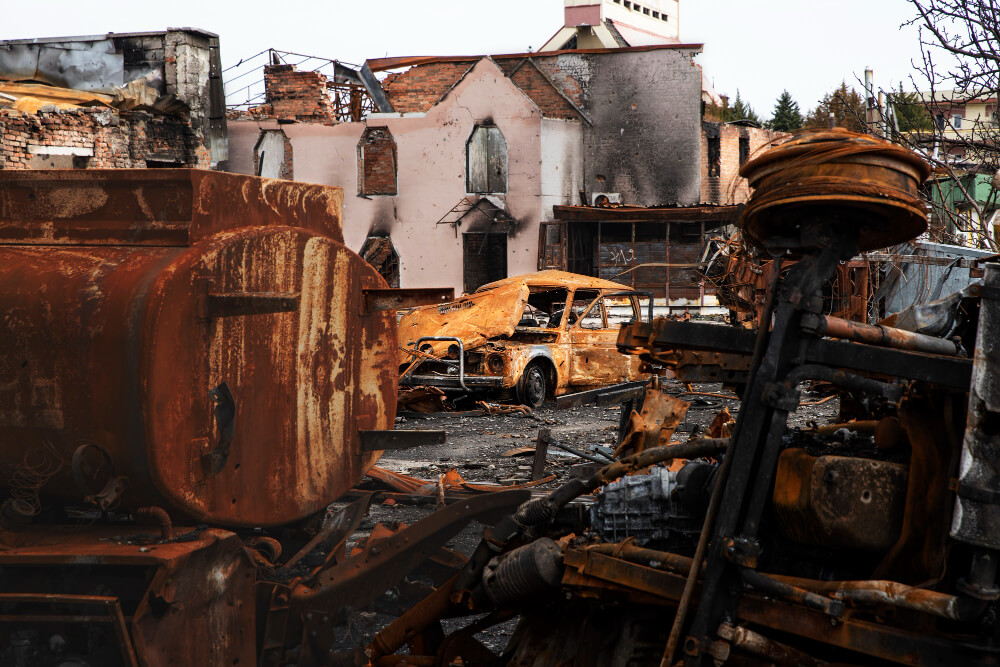
Selling an old, damaged, or unregistered car can be confusing, especially if you're unsure whether it has any real value left. In most cases, even a non-running vehicle still contains valuable scrap materials, which is why learning how to sell an old car for scrap in Australia can help you turn a useless vehicle into quick cash.
Old cars are made up of steel, aluminium, copper wiring, catalytic converters, and reusable parts all of which have different scrap values. Depending on condition, weight, and parts recovery potential, scrap cars can still generate a meaningful payout in 2026.
What Parts of a Car Have Scrap Value?
Even a non-running or end-of-life vehicle contains multiple recyclable components that retain strong scrap value depending on material type, metal content, and ease of recovery.
High-Value Components
Some parts of a car generate the highest scrap returns due to valuable non-ferrous metals and specialized materials. Catalytic converters are particularly valuable because they contain precious metals used in emissions control systems. Copper wiring and electrical harnesses also contribute significant value due to high copper content. Aluminium wheels (rims) are commonly recycled for their clean aluminium content, while car batteries provide recoverable lead. Radiators often contain a mix of aluminium and copper, which increases their recycling value.
Medium-Value Components
Certain mechanical components offer moderate scrap value based on their metal composition and reuse potential. Engine blocks, typically made from steel or cast iron, contribute steady bulk value. Transmission parts also add value due to their weight and metal content. Alternators and starter motors contain copper windings and steel housings, while air conditioning compressors include a mix of aluminium and copper materials that can be recovered during processing.
Bulk Scrap Value
The remaining structure of the vehicle still holds value primarily based on total weight. The steel body shell, chassis, doors, and panels are typically processed as ferrous scrap. While lower in per-kilogram value, these components make up the majority of a vehicle’s overall recyclable mass and contribute significantly to total scrap returns.
How Scrap Car Prices Are Calculated
Scrap car value is not fixed and is determined by a combination of metal content, recoverable parts, and current market conditions. Buyers assess both the vehicle’s weight and the value of high-demand components before making an offer.
Core Pricing Formula
Scrap car pricing is generally calculated based on the total ferrous metal weight of the vehicle, plus the added value of recoverable non-ferrous components such as copper wiring, aluminium parts, batteries, and catalytic converters. The final payout is then adjusted based on condition, completeness of the vehicle, and current market scrap rates.
Typical Scrap Car Prices in Australia (2026)
| Vehicle Type | Typical Price (AUD) |
|---|---|
| Small Cars | $150 – $400 |
| Medium Cars | $250 – $600 |
| SUVs / 4WDs | $400 – $900 |
| Commercial Vans | $500 – $1,200 |
Step-by-Step — How to Sell an Old Car for Scrap
Step 1 : Assess the Vehicle
Start by evaluating the overall condition of the car. Check whether it is still drivable, identify any missing major components, and assess the condition of high-value parts such as the engine and catalytic converter. This helps determine potential scrap value before contacting buyers.
Step 2 : Gather Basic Information
Prepare essential details to speed up the quoting process. This includes the make and model, year of manufacture, current location, and whether the vehicle is running or non-running. Clear information helps scrap buyers provide more accurate offers.
Get a Scrap Quote
Step 3 : Arrange Pickup or Drop-Off
Most scrap buyers provide flexible collection options depending on location and vehicle condition. This often includes free car removal for complete vehicles, paid towing in remote areas, and on-site inspection before final valuation.
Step 4 : Complete Paperwork
In Australia, standard requirements typically include proof of ownership, such as registration documents or valid ID, along with a notice of disposal depending on state regulations. A receipt from the scrap buyer should always be collected as proof of transaction. It is also important to remove all personal belongings before the vehicle is handed over.
Step 5 : Vehicle Collection and Payment
Once the vehicle is collected, it is weighed and assessed for valuable components such as metals and catalytic parts. After valuation, payment is processed either via cash or bank transfer, depending on the buyer’s method.
How to Maximise Scrap Car Value
Keep the Car Complete
Keeping the vehicle as complete as possible usually increases its scrap value. Removing major components like the engine, catalytic converter, or alternator without understanding their individual worth can reduce the overall payout. Complete vehicles are easier for buyers to assess, process, and recycle efficiently.
Provide Accurate Details
Clear and accurate information helps buyers make stronger and faster offers. Details such as vehicle condition, make and model, mileage, and whether it is running or non-running allow scrap buyers to properly estimate value and reduce pricing uncertainty.
Compare Multiple Buyers
Scrap car prices can vary significantly depending on market conditions, export demand, and vehicle type. Comparing multiple offers ensures you are not underselling your vehicle and helps you identify the best possible return from different scrap yards.
Common Mistakes When Selling a Scrap Car
Removing Catalytic Converter Without Knowing Value
One of the most costly mistakes is removing the catalytic converter without understanding its actual market value. In many cases, it contains high-value metals, and removing it separately without proper pricing knowledge can reduce the total payout or lead to undervaluation when selling the vehicle as a whole.
Not Checking Multiple Offers
Accepting a single quote often results in lower returns because scrap car prices vary significantly between buyers. Differences in metal demand, export opportunities, and vehicle type can lead to substantial price variations, so comparing multiple offers is essential to maximise value.
Forgetting Paperwork
Missing or incomplete paperwork can delay both payment and vehicle collection. Proper documentation, such as proof of ownership and disposal records, is required to complete the transaction smoothly and avoid unnecessary processing delays.
FAQs
How much is an old car worth for scrap in Australia?
Most scrap cars in Australia are worth between $150 and $1,200, depending on factors such as vehicle weight, overall condition, and the presence of high-value components like catalytic converters, aluminium parts, and copper wiring. Heavier vehicles and complete units generally attract higher payouts.
Do I need rego to sell my car for scrap?
No, registration is not required to sell a car for scrap in Australia. Even unregistered vehicles can be sold as long as you can provide proof of ownership or valid identification to complete the transaction legally.
What is the most valuable part of a scrap car?
The catalytic converter is typically the most valuable component in a scrap car because it contains precious metals such as platinum, palladium, and rhodium, which are highly sought after in global recycling markets.
Can I sell a car that doesn’t run?
Yes, non-running cars are commonly sold for scrap. Most scrap buyers accept vehicles in any condition and often provide towing or pickup services, making it easy to sell cars that are no longer operational.
Do scrap yards pick up cars for free?
Yes, many scrap yards and buyers offer free vehicle pickup, especially in metropolitan areas. This service is typically included for complete cars and helps streamline the removal and recycling process.
Conclusion
Understanding how to sell an old car for scrap in Australia makes it easier to convert an unwanted or non-running vehicle into fast cash. Even vehicles that no longer run still contain valuable metals and recyclable components that contribute to their overall scrap value.
To maximise your return, it is important to keep the vehicle as complete as possible, compare multiple buyer offers, and use trusted scrap marketplaces to ensure competitive pricing in 2026. Taking a structured approach helps improve payouts while making the selling process faster and more efficient.