
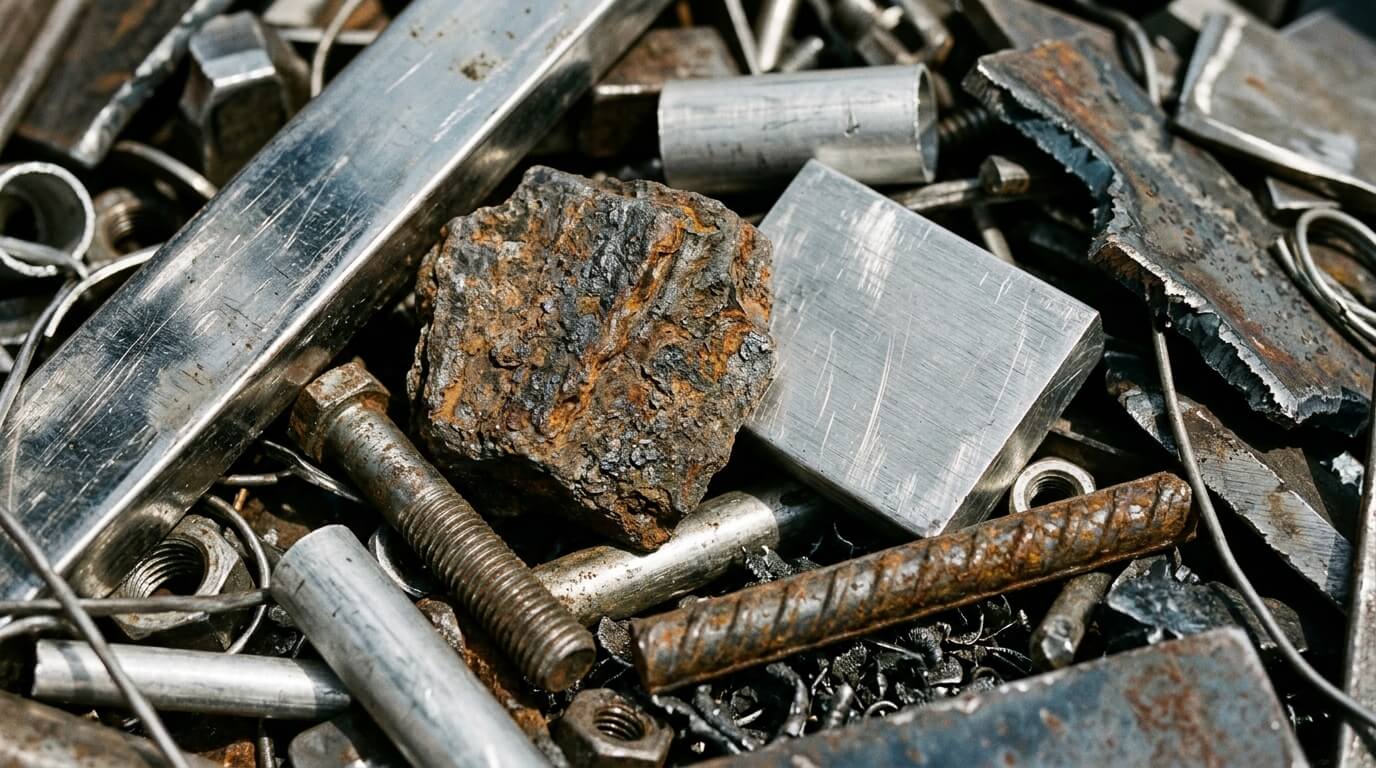
A house cleanout often uncovers more value than most people expect. Old fridges, washing machines, broken furniture frames, copper wiring, and forgotten tools can all contain recyclable materials that qualify as scrap metal. The challenge is knowing what is worth selling, what should be separated, and how to avoid sending valuable material to landfill.
Understanding how to sell scrap metal from a house cleanout in Australia helps homeowners turn unwanted junk into cash while keeping disposal costs down. The key is proper sorting, identifying high-value metals, and arranging bulk pickup instead of disposing of everything as general waste.
What Scrap Metal You Find in a House Cleanout
House cleanouts typically produce a mixed load of ferrous and non-ferrous scrap metals, with value depending heavily on material type, grade, and how well items are separated before recycling.
High-Value Scrap Items
High-value materials are usually non-ferrous metals that achieve stronger prices due to higher industrial demand and recyclability.
Common examples include:
- Copper pipes and electrical wiring
- Electrical cables and extensions
- Brass taps, valves, and fittings
- Aluminium window frames and extrusions
- Stainless steel appliances and fixtures
These materials often contribute the most value in a residential cleanout due to their strong per-kg pricing.
Medium-Value Scrap Items
Medium-value scrap generally includes large household appliances that contain a mix of steel, copper, and aluminium.
Typical items include:
- Fridges and freezers
- Washing machines
- Dishwashers
- Hot water systems
These items are valued mainly for internal motors, compressors, and heavy steel content.
Low-Value Scrap Items
Low-value scrap consists mainly of ferrous metals, which are abundant and priced lower per kilogram.
Common examples include:
- Steel bed frames
- Old furniture frames
- Garden tools
- Metal shelving
Although individually low in value, these items can still contribute meaningful weight in bulk cleanouts.
What a Typical House Cleanout Yields
A standard residential cleanout can generate a significant amount of recyclable scrap metal, especially from renovations, appliance upgrades, and old household fittings. The total value depends on material type, weight, and how well the scrap is separated before sale.
Estimated Scrap Value Breakdown
| Item Type | Typical Value (AUD) |
|---|---|
| Copper wiring (5–20kg) | $50 – $300 |
| White goods (3–6 items) | $50 – $250 |
| Mixed steel scrap | $20 – $150 |
| Aluminium items | $20 – $120 |
Step-by-Step — How to Sell Scrap Metal from a House Cleanout
Step 1 : Walk Through and Identify Materials
Begin by systematically inspecting each area of the property, including rooms, garages, sheds, and outdoor spaces. Look for recyclable metal sources such as old appliances, metal fixtures, exposed wiring, plumbing components, and leftover renovation materials. This helps you build a clear inventory of potential scrap value before sorting begins.
Step 2 : Separate Scrap by Metal Type
Once identified, divide materials into basic metal categories such as copper, aluminium, brass, and steel or iron. Proper separation is one of the most effective ways to increase overall payout because each metal type has a different market value and processing cost. Mixed loads are typically downgraded, so sorting improves pricing accuracy and buyer interest.
Sorting increases payout significantly.
Step 3 : Remove Non-Metal Waste
Clean each item by removing any non-metal components that can reduce scrap value. This includes plastic covers, wooden frames, glass parts, rubber seals, and insulation materials. Cleaner metal is easier to process and is more likely to be classified into higher-paying categories by scrap buyers.
Step 4 : Bundle Large Items Together
For larger cleanouts, organise materials into manageable groups to simplify handling and transport. White goods such as fridges and washing machines can be stacked together, steel frames can be bundled, and copper materials should always be kept separate due to their higher value.
Step 6 : Arrange Pickup or Drop-Off
Most scrap buyers provide flexible collection and delivery options depending on the size and type of load. Large house cleanouts typically qualify for free pickup services, especially when the volume of metal makes transport economically viable for the buyer.
On arrival, many buyers conduct on-site weighing and basic material checks to confirm categories and ensure accurate valuation. Once the assessment is complete, payment is usually processed immediately via cash or bank transfer, depending on the agreed method.
What Scrap Buyers Look for in a House Cleanout
Scrap buyers assess house cleanouts based on material quality, processing effort, and logistics efficiency. Their goal is to determine how easily the scrap can be sorted, transported, and resold into recycling markets.
Key Pricing Factors
Buyers evaluate several core elements before making an offer. Total weight plays a major role because higher volumes generally increase resale value and justify transport costs. Metal separation quality is also critical, as well-sorted materials reduce processing time and improve efficiency. Copper content significantly influences overall value due to its high market price compared to other metals. Accessibility for pickup is another important factor, especially for bulky or difficult-to-remove loads. Finally, contamination level such as plastic, wood, or mixed materials can reduce pricing if additional sorting is required.
How to Maximise Scrap Value During a Cleanout
Separate High-Value Metals First
Start by isolating the most valuable materials to avoid them being downgraded in mixed loads. Copper wiring, brass fittings, and aluminium frames should always be kept separate because they are priced significantly higher per kilogram compared to ferrous scrap.
Keep Appliances Intact
Avoid dismantling large appliances such as fridges, washing machines, or dryers unless you are experienced in scrap recovery. Complete units are easier for buyers to process, transport, and weigh, and they are often assessed more accurately when sold intact.
Group by Load Type
Organising scrap into clear categories improves efficiency and can positively influence pricing. Separating heavy steel loads, white goods, and non-ferrous materials helps buyers evaluate each stream properly and reduces the likelihood of mixed-grade pricing.
Compare Multiple Buyers
Different scrap yards may offer different prices for the same cleanout depending on transport costs, metal demand, and processing capacity. Comparing multiple offers ensures better price discovery and increases the chance of securing a higher overall payout.
FAQs
What scrap metal is most valuable in a house cleanout?
Copper wiring and brass fittings are typically the most valuable materials found in a house cleanout. These non-ferrous metals have high demand in recycling markets and are priced significantly higher per kilogram than steel or mixed scrap.
Can I sell all scrap metal from a house at once?
Yes, most scrap buyers accept mixed house cleanout loads in a single pickup. However, mixed loads are usually priced lower than sorted materials because they require additional processing and separation before recycling.
Do I need to sort scrap before pickup?
Sorting is not mandatory, but it strongly improves payout. Separating copper, aluminium, brass, and steel allows buyers to grade materials accurately, which often results in higher per-kilogram pricing and better overall offers.
How much is a house cleanout worth in scrap value?
A typical house cleanout in Australia can be worth anywhere from $100 to $800+, depending on the volume of metal, the types of materials recovered, and how well the scrap is sorted before sale.
Do scrap yards collect from houses?
Yes, many scrap yards and buyers offer pickup services for house cleanouts, especially when dealing with larger or heavier loads. This makes it easier for homeowners to sell bulk scrap without needing transport arrangements.
Conclusion
Selling scrap metal from a house cleanout in Australia can efficiently convert unwanted clutter into cash when handled strategically. The overall return depends heavily on how early valuable metals are identified, how well they are sorted, and whether materials are kept in clean, separate loads instead of being mixed together.