
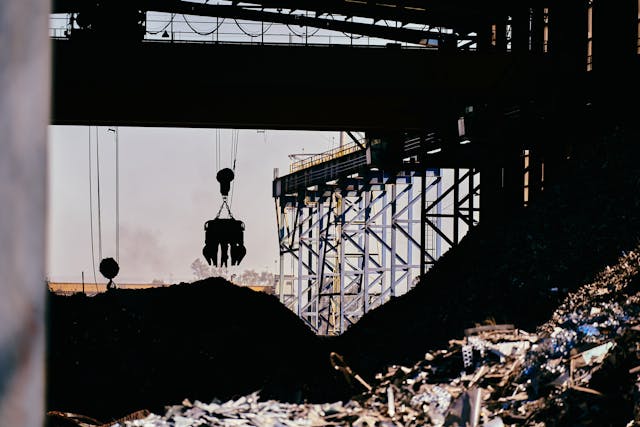
The industrial recycling procurement platform is transforming how manufacturers, recyclers, and industrial buyers source recyclable materials at scale. Traditional procurement methods often involve fragmented supplier networks, inconsistent pricing, and limited transparency. This creates delays, increases costs, and makes it difficult for businesses to secure reliable recycled raw materials.
Today, digital procurement platforms solve these challenges by connecting industrial buyers directly with verified recycling suppliers. These systems streamline sourcing, improve pricing visibility, and create efficient supply chains for recyclable commodities. In this guide, you will learn how an industrial recycling procurement platform works, how pricing models operate, and how businesses can use these platforms to improve procurement efficiency and reduce operational costs.
What is an Industrial Recycling Procurement Platform?
An industrial recycling procurement platform is a digital marketplace where businesses source recyclable materials directly from verified suppliers, processors, and recovery facilities.
These platforms help industrial buyers procure recycled materials in bulk while maintaining quality standards and pricing transparency.
Key participants include:
- Manufacturing companies
- Industrial recyclers
- Scrap processors
- Commodity suppliers
- Procurement managers
- Logistics providers
Common recyclable materials sourced:
- Steel scrap and ferrous metals
- Copper, aluminum, and brass
- Plastic recovery materials
- Paper and cardboard recyclables
- Industrial production waste
- Electronic waste components
How Industrial Recycling Procurement Platforms Work
- A procurement platform creates a structured system for sourcing recyclable materials.
- Suppliers upload available inventory with detailed specifications such as grade, weight, composition, and location. Buyers search for required materials based on procurement criteria like volume, quality, and price.
- Once a suitable match is found, buyers can negotiate pricing, request samples, or initiate long-term contracts. Logistics and delivery coordination are then managed through the platform.
Procurement workflow:
- Supplier registration and verification
- Material listing and grading
- Buyer procurement request
- Supplier matching and quotation
- Contract agreement
- Logistics coordination and delivery
- Payment processing and documentation
Why Industrial Procurement Platforms Matter
- Procurement platforms improve sourcing efficiency and reduce operational risks.
Key benefits include:
- Faster supplier discovery
- Better pricing transparency
- Reduced procurement cycle time
- Improved inventory planning
- Access to verified recycled material suppliers
- Greater supply chain reliability
Benefits of Using an Industrial Recycling Procurement Platform
- Businesses gain significant advantages by adopting digital procurement systems.
- Lower sourcing costs through supplier competition
Improved material availability
Reduced manual procurement effort
Enhanced sustainability goals
Better control over supplier quality standards
Access to global recycled inventory - These platforms improve both cost efficiency and procurement scalability.
Challenges in Recycling Procurement
- Despite efficiency improvements, industrial recycling procurement still faces challenges.
- Material quality inconsistency can impact manufacturing processes. Logistics costs may also reduce procurement efficiency for low-value recyclable materials.
- Additionally, fluctuating commodity prices create uncertainty for long-term contracts. Procurement teams must monitor supplier reliability and market pricing closely.
How Businesses Can Improve Recycling Procurement
- To maximize success using an industrial recycling procurement platform, businesses should:
- Define clear procurement specifications
Source from verified suppliers
Monitor commodity pricing regularly
Build long-term supplier partnerships
Use procurement analytics for demand forecasting
Optimize logistics and shipping agreements - Companies that implement structured procurement strategies often achieve stronger supply chain performance.
Future of Industrial Recycling Procurement Platforms
- The future of industrial procurement is becoming increasingly data-driven.
- Artificial intelligence is improving supplier matching and demand forecasting. Blockchain technology is enhancing procurement transparency and contract traceability.
- As sustainability regulations increase globally, manufacturers will rely more heavily on recycled material sourcing. This will accelerate adoption of industrial recycling procurement platforms.
- Digital procurement ecosystems will become a core part of industrial supply chains.
FAQs
- What is an industrial recycling procurement platform?
It is a digital system that connects industrial buyers with suppliers of recyclable materials for sourcing and procurement. - How do procurement platforms determine pricing?
Pricing depends on commodity market value, material grade, logistics costs, and procurement volume. - Who uses recycling procurement platforms?
Manufacturers, procurement teams, recyclers, and industrial suppliers use these platforms. - What materials are commonly sourced?
Metals, plastics, paper recyclables, e-waste, and industrial scrap materials are commonly procured. - What is the main benefit of procurement platforms?
They improve sourcing efficiency, pricing transparency, and supplier access. Conclusion
- The industrial recycling procurement platform is changing how businesses source recyclable materials by improving efficiency, transparency, and supplier access. These platforms create streamlined procurement workflows that reduce costs and strengthen supply chain performance.