
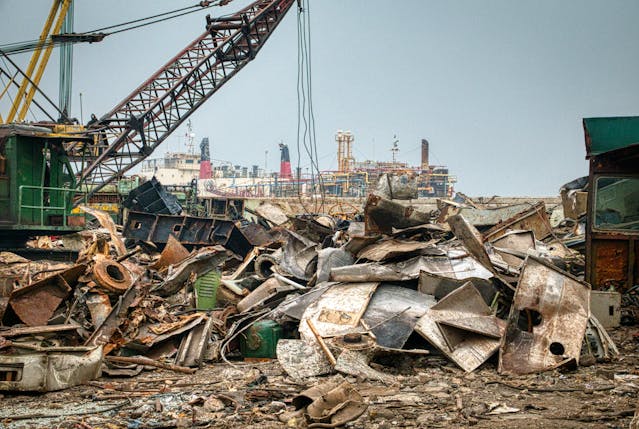
Industrial scrap trading has become a critical part of the global recycling economy, but most buyers and sellers still struggle with fragmented supply chains, inconsistent pricing, and limited visibility into available materials. This creates delays, higher procurement costs, and missed trading opportunities.
An industrial scrap buyer seller exchange solves these issues by connecting scrap generators, recyclers, exporters, and industrial buyers on a unified digital platform. It enables real-time scrap listings, global price comparison, and faster deal execution.
What Is an Industrial Scrap Buyer Seller Exchange?
An industrial scrap buyer seller exchange is a digital marketplace where industrial scrap materials are listed, traded, and exchanged between verified buyers and sellers.
It acts as a centralized system that replaces traditional scrap dealing methods such as:
- Local scrap yards
- Phone-based negotiations
- Manual broker networks
- Regional trading limitations
Instead, it enables global scrap exchange with structured pricing, verified listings, and transparent transactions.
Why Industrial Scrap Exchange Platforms Are Growing
The demand for scrap recycling and secondary raw materials is increasing due to global manufacturing needs and sustainability goals.
Key Growth Drivers
- Rising raw material costs
- Industrial waste generation
- Circular economy adoption
- Export demand for scrap metals
- Digital transformation of commodity trading
Benefits of Scrap Exchange Platforms
| Benefit | Impact |
|---|---|
| Global buyer access | Expand market reach |
| Faster transactions | Reduce sourcing delays |
| Transparent pricing | Improve decision-making |
| Higher profitability | Optimize scrap value |
| Supply chain stability | Reduce dependency risk |
Types of Industrial Scrap Traded in Exchanges
Industrial scrap exchanges cover a wide range of recyclable materials from manufacturing, construction, and production industries.
Ferrous Scrap
Ferrous scrap is iron and steel-based material.
Examples include:
- HMS 1 & 2 scrap
- Structural steel scrap
- Cast iron scrap
- Industrial machine scrap
- Steel fabrication waste
Non-Ferrous Scrap
High-value metals widely traded globally.
Examples:
- Copper scrap
- Aluminum scrap
- Brass scrap
- Zinc scrap
- Nickel scrap
Industrial Manufacturing Scrap
Generated from production processes.
- Sheet metal offcuts
- Cable scrap
- Pipe scrap
- Machinery parts
- Factory rejects
Electronic Scrap (E-Waste)
Industrial electronics recycling materials.
- Circuit boards
- Wiring systems
- Industrial control units
- Computer components
How an Industrial Scrap Buyer Seller Exchange Works
The exchange operates through a structured digital workflow.
Step 1: Scrap Listing
Sellers upload scrap details including:
- Material type
- Grade and purity
- Quantity
- Location
- Price expectations
Step 2: Buyer Search & Filtering
Buyers search based on:
- Scrap category
- Quantity requirements
- Location
- Price range
- Quality standards
Step 3: Inquiry & Negotiation
Buyers send RFQs (Request for Quotations) or negotiate directly with sellers.
Step 4: Logistics Arrangement
Industrial scrap requires coordination of:
- Container shipping
- Freight forwarding
- Customs clearance
- Documentation compliance
Step 5: Transaction Completion
Modern exchanges may include:
- Secure payments
- Supplier verification
- Trade documentation
- Rating systems
Industrial Scrap Pricing Factors
Scrap pricing is influenced by global commodity markets and industrial demand.
Key Pricing Drivers
| Factor | Effect |
| Metal type | Higher-value metals cost more |
| Purity level | Cleaner scrap = higher price |
| Global demand | Industrial demand increases rates |
| Supply availability | Scarcity increases value |
| Logistics cost | Impacts final landed price |
Sample Industrial Scrap Prices
| Scrap Type | Price Range (USD/Ton) |
| Copper Scrap | $5,500 – $8,500 |
| Aluminum Scrap | $1,200 – $2,400 |
| Steel Scrap | $250 – $500 |
| Brass Scrap | $3,000 – $6,500 |
| Stainless Steel | $900 – $2,200 |
Prices fluctuate based on global commodity indexes and regional demand.
Benefits of Using an Industrial Scrap Buyer Seller Exchange
1. Global Market Access
Sellers can reach international buyers instead of relying on local dealers.
2. Improved Price Discovery
Buyers can compare scrap prices across multiple regions instantly.
3. Faster Procurement
Digital exchange systems reduce sourcing time significantly.
4. Reduced Supply Chain Risk
Multiple suppliers ensure continuity in supply.
5. Better Inventory Management
Helps industries manage scrap output efficiently.
Challenges in Industrial Scrap Trading
Quality Verification Issues
Scrap quality may vary between suppliers and regions.
Logistics Complexity
International shipping and customs add delays.
Price Volatility
Scrap markets change frequently due to global demand shifts.
Regulatory Compliance
Different countries have strict scrap import/export laws.
How Digital Scrap Exchanges Improve Efficiency
Modern industrial scrap exchanges solve traditional problems through technology.
They offer:
- Real-time inventory listings
- Verified supplier networks
- Automated RFQ systems
- Price trend tracking
- Export documentation support
Businesses can explore platforms like Scrap Trade to access global industrial scrap markets.
For Australian businesses, Scrap Trade Australia provides localized scrap buying and selling opportunities.
For active listings and faster deals, Scrap Trade Now enables real-time industrial scrap exchange.
Use Cases of Industrial Scrap Buyer Seller Exchanges
Manufacturing Companies
Reduce raw material costs using recycled scrap inputs.
Recycling Plants
Source and distribute industrial scrap efficiently.
Metal Traders
Profit from global price differences and arbitrage.
Exporters
Expand business to international markets.
Construction Industry
Procure affordable steel and metal scrap.
How to Choose the Best Scrap Exchange Platform
Key Features Checklist
| Feature | Importance |
| Verified buyers/sellers | High |
| Global reach | High |
| Transparent pricing | High |
| Logistics support | Medium |
| Real-time listings | High |
| Trade security | High |
Selecting the right platform improves profitability and reduces sourcing risk.
FAQs
What is an industrial scrap buyer seller exchange?
It is a digital platform where industrial scrap materials are listed and traded between verified buyers and sellers globally, enabling efficient sourcing and transparent pricing.
How does scrap exchange pricing work?
Pricing is based on metal type, purity, global demand, logistics cost, and international commodity market conditions.
What materials are traded in industrial scrap exchanges?
Common materials include steel, copper, aluminum, brass, stainless steel, and electronic industrial scrap.
Are scrap exchanges suitable for exporters?
Yes, exporters use these platforms to connect with international buyers and expand their market reach.
Why are digital scrap exchanges better than traditional scrap yards?
They offer global access, better pricing transparency, faster transactions, and improved supply chain efficiency.
Conclusion
An industrial scrap buyer seller exchange is transforming how scrap materials are sourced, priced, and traded globally. It provides businesses with better transparency, faster procurement, and expanded market access.
As industrial demand for recyclable materials grows, digital scrap exchanges are becoming essential tools for improving efficiency and profitability.