
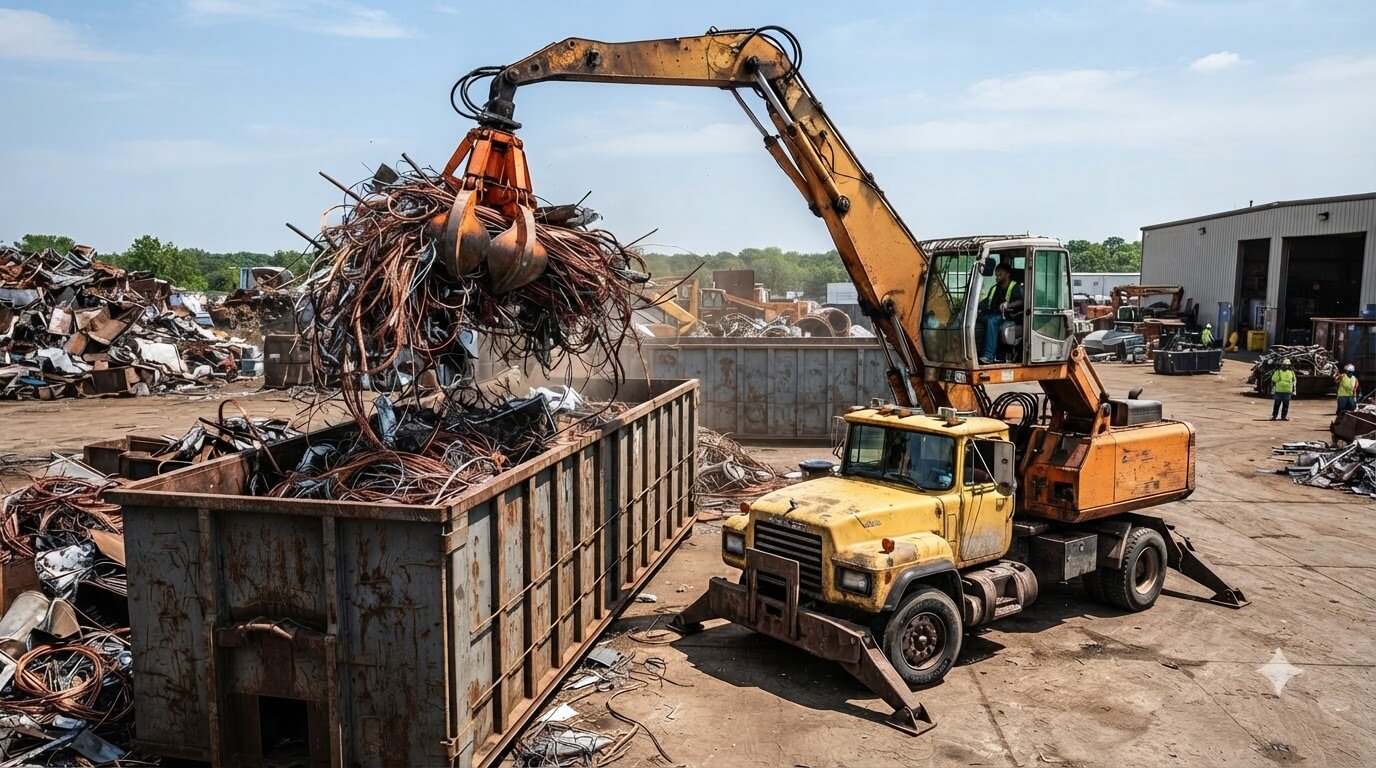
Unwanted scrap can quickly become a problem when it starts occupying valuable space at home, in a warehouse, or across a business or industrial facility. Old appliances, metal equipment, machinery parts, cables, damaged inventory, and other recyclable materials can create clutter, safety concerns, and unnecessary disposal expenses. Waiting days or weeks for a collection service can make the problem even more inconvenient, especially when large quantities of scrap need to be removed quickly.
Instant scrap pickup offers a more convenient approach by helping households and businesses identify recyclable materials, request collection, connect with suitable buyers, and arrange pickup according to their requirements. Instead of treating valuable scrap as ordinary waste, sellers may be able to recover financial value from materials such as copper, aluminium, steel, brass, and other recyclables while clearing unwanted items from their property.
What Is Instant Scrap Pickup?
Instant scrap pickup is a convenient scrap collection service that helps people and businesses arrange the removal of unwanted recyclable materials without relying on lengthy traditional collection processes. Depending on the service, users can provide scrap details, receive buyer interest, confirm collection, and arrange pickup and payment.
How Instant Scrap Pickup Works
The process typically starts when the seller submits scrap details, including the material type, estimated quantity, location, and condition. Adding clear photos and material information can help buyers understand what is available and provide a more accurate offer.
After reviewing the listing, potential buyers may show interest or submit an offer based on the material, quantity, quality, and current market conditions. The seller can then review the opportunity and confirm the collection with the selected buyer.
Once the transaction is agreed, the pickup time and logistics are arranged. Depending on the agreement, the material may be weighed during collection before payment is completed.
Who Can Use Instant Scrap Pickup?
Households can use scrap pickup for unwanted metal items, old appliances, equipment, and other recyclable materials taking up space.
Businesses can arrange collection for regular commercial scrap, damaged equipment, cables, metal components, and other recyclable waste.
Warehouses can use pickup services to remove obsolete inventory, damaged racks, packaging scrap, and equipment.
Construction companies may require collection for steel, aluminium, copper wiring, pipes, and demolition scrap generated at project sites.
Factories can arrange bulk pickup for production offcuts, machinery components, metal waste, and industrial scrap.
Automotive businesses can use collection services for vehicle components, engines, metal parts, cables, and other recyclable automotive materials.
What Types of Scrap Can Be Picked Up?
Instant scrap pickup services can handle a wide range of recyclable materials from households, businesses, warehouses, construction sites, factories, and automotive facilities. The materials accepted can vary by buyer and location, so sellers should provide accurate descriptions and photos before arranging collection.
Scrap Metal
Common recyclable metals include copper, aluminium, steel, brass, and stainless steel. These materials can come from construction projects, manufacturing operations, building maintenance, appliances, machinery, and general commercial activities. Separating metals by type and keeping them free from contamination can help improve their recycling value.
Vehicle Scrap
Vehicle-related scrap can include old cars, car parts, and automotive components. Depending on their condition, vehicles may be dismantled for reusable parts, while metals and other recyclable materials can be recovered through appropriate recycling processes.
Industrial Scrap
Factories and industrial facilities can generate large quantities of machinery, factory equipment, metal offcuts, and production scrap. Instant pickup can be particularly useful when businesses need to clear obsolete equipment, production areas, or large quantities of accumulated metal.
Electronic Scrap
Electronic and electrical materials may include computers, cables, electrical equipment, and circuit boards. These items can contain recoverable metals and components but may require appropriate handling and recycling processes. Sellers should provide details about the equipment and quantity so buyers can determine suitable collection and processing requirements.
How to Arrange Instant Scrap Pickup
Arranging scrap pickup can be straightforward when the material, quantity, location, and collection requirements are clearly communicated. A simple process helps sellers receive suitable offers and prepare the scrap for efficient removal.
Step 1: Identify Your Scrap
Start by identifying the materials you want to sell or recycle. Separate items such as copper, aluminium, steel, brass, machinery, vehicle parts, and electronic scrap where possible. Remove obvious contamination and note the condition of the materials.
Step 2: Estimate the Quantity
Determine how much scrap is available. Use a weighing scale for smaller quantities or provide an estimated weight for larger loads. Accurate quantity information helps buyers assess transportation requirements and provide more relevant offers.
Step 3: Create a Scrap Listing
Create a detailed listing with the material type, estimated quantity, condition, location, and photos. Clear information allows potential buyers to understand the available scrap before arranging collection.
Step 4: Connect With a Buyer
Review interested buyers and compare their offers, collection terms, and requirements. Businesses can use online scrap marketplaces to reach multiple potential buyers instead of contacting scrap dealers individually.
Platforms such as ScrapTrade can help sellers list recyclable materials and connect with potential buyers for local or broader B2B scrap trading opportunities.
Step 5: Confirm Pickup Details
Once you select a suitable buyer, confirm the pickup date, time, address, loading requirements, transportation arrangements, and agreed pricing. For large or heavy loads, clarify who is responsible for loading and transportation costs.
Step 6: Complete Collection and Payment
Prepare the scrap so it can be safely accessed and loaded. The material may be weighed or inspected during collection before the final transaction is completed. Confirm the agreed payment method and retain relevant transaction or collection documentation for your records.
Benefits of Instant Scrap Pickup
Instant scrap pickup can make it easier for households and businesses to remove unwanted materials quickly while creating opportunities to recover value from recyclable items. It can be particularly useful when scrap is taking up space or needs to be cleared without a lengthy collection process.
Save Time
Arranging pickup through a streamlined process can reduce the time spent contacting multiple scrap dealers and organizing transportation. Sellers can provide material details, connect with potential buyers, and coordinate collection more efficiently.
Clear Space Quickly
Removing unwanted metal, equipment, vehicle parts, or other scrap can quickly free up space in homes, warehouses, factories, and commercial facilities. This can improve organization and make valuable areas available for productive use.
Reduce Scrap Storage Problems
Long-term scrap storage can create clutter, contamination, and workplace safety concerns. Timely collection helps prevent materials from accumulating and keeps recyclable scrap separated from normal inventory and waste.
Access Local or Online Buyers
Sellers can explore local buyers as well as online scrap marketplaces. Digital platforms can provide access to a wider network of potential buyers, making it easier to find opportunities that match the material type, quantity, and location.
Recover Value From Unwanted Scrap
Scrap such as copper, aluminium, brass, steel, machinery, and other recyclable materials may have resale value. Comparing buyer offers can help sellers identify competitive opportunities rather than sending potentially valuable materials directly to general waste disposal.
Support Responsible Recycling
Professional scrap collection can direct recyclable materials toward appropriate processing and recovery channels. Recycling metals and other suitable materials helps reduce landfill waste, conserve resources, and keep recovered materials in circulation.
Instant Scrap Pickup for Businesses
Businesses can generate large amounts of scrap through manufacturing, construction, warehousing, maintenance, and everyday operations. Instant scrap pickup can help companies remove accumulated materials efficiently, reduce storage pressure, and recover value from recyclable scrap.
Warehouse Scrap Pickup
Warehouses can arrange pickup for damaged racks, metal shelving, equipment, cables, packaging materials, and obsolete inventory. Regular collection helps keep storage areas organized and prevents scrap from taking up space needed for active inventory.
Factory Scrap Collection
Factories often generate production offcuts, steel, aluminium, copper, machinery components, and other industrial scrap. Pickup services can support scheduled or on-demand collection, helping manufacturers maintain cleaner production areas and manage recurring scrap volumes.
Construction Scrap Pickup
Construction and demolition sites can produce significant quantities of steel, aluminium, copper wiring, pipes, metal fixtures, and other recyclable materials. Coordinated pickup can help remove accumulated scrap from project sites and reduce unnecessary disposal.
Commercial Metal Collection
Businesses such as offices, retailers, workshops, and commercial facilities may accumulate unwanted metal fixtures, equipment, cables, shelving, and other recyclable materials. Commercial metal collection provides a convenient way to remove these materials and potentially recover their resale value.
Bulk Industrial Scrap Pickup
Large factories and industrial facilities may need specialized collection for substantial quantities of machinery, heavy metal, production scrap, and obsolete equipment. Bulk pickup can involve collection scheduling, loading, weighing, transportation, and recycling arrangements.
How to Get the Best Value From Scrap Pickup
Getting the best value from scrap pickup starts with proper preparation. Sellers who provide accurate material information, keep scrap organized, and compare complete offers can improve their chances of securing a competitive price.
Sort Different Metals
Separate copper, aluminium, steel, brass, stainless steel, and other metals instead of mixing everything together. Different metals and grades have different market values, so proper sorting helps buyers assess the material more accurately.
Keep Scrap Clean
Remove unnecessary contamination such as dirt, plastic, excessive packaging, and other unwanted materials where practical. Clean, well-separated scrap is generally easier to process and may receive a better offer than heavily contaminated material.
Take Clear Photos
When creating an online scrap listing, use clear photos showing the material, condition, quantity, and storage area. Good images give potential buyers a better understanding of the scrap before they arrange an inspection or pickup.
Provide Accurate Weight and Quantity
Provide the most accurate weight or estimated quantity possible. For bulk scrap, include information such as tonnes available, number of loads, material dimensions, and whether the quantity is recurring. Accurate details help buyers calculate transportation and provide more relevant offers.
Compare Buyer Offers
Don't automatically accept the first offer. Compare prices from multiple buyers while considering material grade, payment terms, collection arrangements, and any applicable deductions. A broader buyer network can help sellers identify better opportunities.
Check Pickup and Transportation Charges
Always confirm whether pickup, loading, freight, or transportation costs are included in the quoted price. A higher headline price may not provide the best final return if significant collection charges are deducted.
Safety Tips for Scrap Pickup
Proper preparation can make scrap pickup safer and more efficient for both sellers and collection teams. Whether the material comes from a household, warehouse, construction site, or factory, businesses should prepare the scrap and collection area before pickup.
Keep Scrap Accessible for Collection
Place the scrap in a clearly identified area where it can be safely accessed by the collection team. Keep walkways, entrances, loading zones, and vehicle access points clear to reduce the risk of trips, collisions, or delays during loading.
Separate Hazardous Materials
Identify and separate materials that require special handling, such as chemicals, pressurized containers, certain batteries, oils, or contaminated equipment. Inform the buyer or collection provider about any potentially hazardous materials before pickup rather than mixing them with ordinary recyclable scrap.
Secure Heavy or Sharp Items
Heavy machinery, metal sheets, pipes, sharp components, and other bulky materials should be positioned securely to prevent movement or falling. Where necessary, use appropriate lifting equipment and trained personnel for loading rather than attempting to move heavy items manually.
Confirm Buyer and Pickup Details
Before collection, confirm the buyer identity, agreed material, quantity, price, pickup date, location, transportation arrangements, and payment terms. For commercial transactions, ensure the collection team and vehicle details are consistent with the agreed arrangement.
Maintain Transaction Records
Keep records of listings, buyer communications, agreed prices, weighing information, pickup details, invoices, and payment confirmations. Maintaining clear documentation can help resolve potential disputes and provides a useful record for recurring business scrap transactions.
FAQs
What is instant scrap pickup?
Instant scrap pickup is a convenient service for arranging the collection of unwanted recyclable materials from homes, businesses, warehouses, construction sites, and industrial facilities. Sellers typically provide details about the material, quantity, location, and photos before a buyer or collection provider confirms the pickup.
Can I arrange same-day scrap pickup?
Same-day scrap pickup may be available depending on the buyer, location, scrap volume, transportation capacity, and collection schedule. Sellers should provide accurate material and location details and confirm availability before expecting same-day collection.
What types of scrap can be collected?
Commonly collected materials include copper, aluminium, steel, brass, stainless steel, vehicle scrap, machinery, industrial metal, cables, electrical equipment, and other recyclable materials. Accepted materials vary by buyer and local recycling requirements.
How much does scrap pickup cost?
Scrap pickup costs depend on factors such as material type, quantity, location, loading requirements, transportation distance, and buyer terms. Some buyers may include collection costs in the scrap price, while others may charge separately. Always confirm pickup, loading, and transportation charges before finalizing the transaction.
Conclusion
Instant scrap pickup provides a convenient and efficient way to remove unwanted recyclable materials from homes, businesses, warehouses, construction sites, and industrial facilities. Instead of allowing scrap to accumulate and occupy valuable space, sellers can arrange collection and potentially recover financial value from materials such as copper, aluminium, steel, brass, machinery, and other recyclables.
Proper sorting, cleaning, accurate quantity estimates, and clear photos can help buyers assess scrap more efficiently and may improve the quality of offers. Sellers should also compare buyer prices, pickup terms, transportation charges, and payment conditions before confirming a collection.