

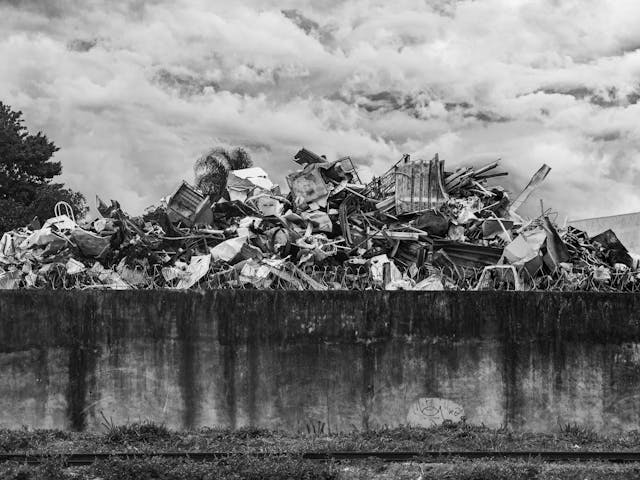
The international metal reuse exchange is transforming how industries source, trade, and reuse metals across global markets. Instead of relying on virgin raw materials, manufacturers and recyclers are increasingly turning to reusable and recycled metals to reduce costs and improve sustainability.
However, traditional metal recycling systems are often fragmented, with inconsistent pricing, limited transparency, and inefficient supply chains. This creates challenges for businesses trying to secure reliable metal supply at competitive rates.
What is an International Metal Reuse Exchange?
An international metal reuse exchange is a global digital marketplace where reusable and recyclable metals are traded between suppliers, recyclers, and industrial buyers.
Unlike conventional scrap trading, this system focuses specifically on extending the lifecycle of metals by enabling their reuse in manufacturing and industrial production.
Key participants include:
- Metal scrap suppliers and recyclers
- Industrial manufacturers
- Smelters and refineries
- Commodity traders and exporters
- Procurement and sourcing teams
Common metals traded include:
- Copper and copper alloys
- Aluminum and aluminum alloys
- Steel and iron scrap
- Brass and zinc materials
- Precious metal recovery materials (industrial grade)
The main objective is to maximize metal reuse efficiency and reduce dependency on newly mined resources.
How the Metal Reuse Exchange Works
The international metal reuse system operates through structured trading and verification processes.
Metals are first collected from industrial waste, manufacturing by-products, and demolition activities. These materials are then sorted and graded based on purity, composition, and usability for reuse.
Once classified, metals are listed on digital exchange platforms where buyers can evaluate available inventory based on specifications and pricing.
After negotiation and agreement, logistics providers manage transportation and delivery to manufacturing facilities where metals are reused in production processes.
Workflow overview:
Metal collection and recovery
Sorting and quality grading
Listing on digital exchange platform
Buyer evaluation and selection
Pricing agreement and contracting
Logistics and delivery
Industrial reuse in production
This system ensures continuous circulation of valuable metal resources.
Importance of Metal Reuse in Global Industry
Metal reuse plays a critical role in modern industrial sustainability and cost efficiency.
Key benefits include:
- Reduced dependency on mining operations
- Lower production costs for manufacturers
- Reduced environmental impact
- Improved resource efficiency
- Enhanced supply chain stability
Metal reuse also supports global carbon reduction goals by minimizing energy-intensive raw material extraction.
Benefits of International Metal Reuse Exchange
Businesses benefit significantly from participating in metal reuse systems.
Lower raw material procurement costs
Improved access to global metal supply
Better pricing transparency and market efficiency
Stronger sustainability and ESG compliance
Reduced supply chain dependency risks
Higher material utilization efficiency
These advantages make metal reuse essential for modern industrial operations.
Challenges in Metal Reuse Trading
Despite strong advantages, several challenges exist in metal reuse markets.
Material quality inconsistency can affect manufacturing performance. Global logistics costs may also reduce profitability for low-margin metals.
Regulatory compliance differences across countries can complicate cross-border trade. Additionally, fluctuating commodity prices create uncertainty in long-term contracts.
How Businesses Can Maximize Value in Metal Reuse Markets
To succeed in the international metal reuse exchange, businesses should:
Focus on high-value metals like copper and aluminum
Implement strict material grading and quality checks
Monitor global commodity price trends
Use digital platforms for sourcing and selling
Optimize logistics and transportation costs
Build long-term supplier and buyer relationships
Future of International Metal Reuse Exchange
The future of metal reuse is strongly aligned with sustainability and digital transformation.
Artificial intelligence will optimize pricing models and material matching. Blockchain will enhance traceability and certification of reused metals.
Global environmental regulations will further increase demand for recycled and reusable metals, making metal reuse exchanges a core part of industrial supply chains.
Over time, reuse systems will replace traditional linear metal sourcing models in many industries.
FAQs
What is an international metal reuse exchange?
It is a global marketplace where reusable and recyclable metals are traded for industrial use.
How are metal reuse prices determined?
Prices depend on global commodity rates, material quality, reusability level, and logistics costs.
Which metals are commonly reused?
Copper, aluminum, steel, brass, and industrial alloys are commonly traded.
Why is metal reuse important?
It reduces environmental impact, lowers production costs, and improves resource efficiency.
Who uses metal reuse exchanges?
Manufacturers, recyclers, exporters, and industrial procurement teams use these systems.
Conclusion
The international metal reuse exchange is transforming global industrial supply chains by enabling efficient, sustainable, and cost-effective metal circulation. It connects suppliers and buyers in a structured ecosystem that improves transparency and resource utilization.
Businesses that adopt metal reuse strategies gain stronger supply security, better pricing, and long-term sustainability advantages.