

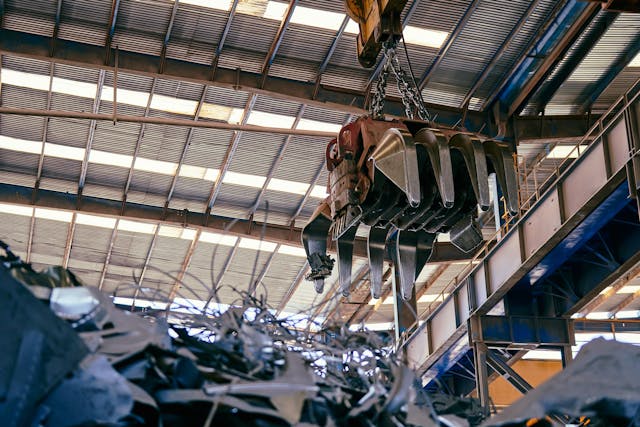
The demand for reusable metals is rising as industries focus on reducing costs and improving sustainability. However, most companies still struggle to find reliable sources of reusable steel, aluminum, copper, and industrial metal components across borders due to fragmented supply chains.
An international metal reuse marketplace solves this gap by connecting global suppliers, manufacturers, recyclers, and traders on a single platform where reusable metals can be bought, sold, and repurposed efficiently.
What Is an International Metal Reuse Marketplace?
An international metal reuse marketplace is a digital trading platform that enables the exchange of reusable and repurposable metal materials across global markets.
Unlike traditional scrap systems, metal reuse focuses on materials that can still be directly used or minimally processed, such as:
- Structural steel components
- Reusable aluminum sheets
- Industrial machine parts
- Copper wiring and rods
- Construction-grade metal beams
These platforms help extend the lifecycle of metals, reducing waste and improving resource efficiency.
Why Metal Reuse Markets Are Growing Globally
Global industries are shifting from a “use and discard” model to a circular economy approach.
Key Growth Drivers
- Rising cost of raw metals
- Sustainability regulations
- Circular economy adoption in manufacturing
- Industrial cost optimization needs
- Increased global construction demand
Core Benefits of Metal Reuse Platforms
| Benefit | Impact |
|---|---|
| Lower material cost | Reduce procurement expenses |
| Sustainable sourcing | Reduce environmental impact |
| Faster availability | Immediate reuse vs new production |
| Global access | Cross-border sourcing opportunities |
| Waste reduction | Extend lifecycle of metals |
Types of Metals in Reuse Marketplaces
1. Structural Metals
Used in construction and infrastructure:
- Steel beams
- Reinforcement bars
- Metal frameworks
- Industrial pipes
2. Non-Ferrous Reusable Metals
High-value and widely traded:
- Copper sheets and wires
- Aluminum panels
- Brass fittings
- Zinc components
3. Industrial Equipment Metals
Recovered from machinery and plants:
- Machine frames
- Engine components
- Factory equipment parts
- Industrial tools
4. Construction Reusable Materials
- Demolition steel
- Reusable scaffolding
- Metal roofing sheets
- Structural connectors
How an International Metal Reuse Marketplace Works
Step 1: Listing Available Materials
Suppliers upload reusable metal inventory with:
- Material type
- Condition (grade)
- Quantity
- Location
- Pricing expectations
Step 2: Global Discovery
Buyers search based on:
- Material category
- Country or region
- Cost range
- Structural requirements
- Availability timeframe
Step 3: Negotiation & RFQ
Buyers send inquiries or RFQs to negotiate bulk reuse deals.
Step 4: Logistics & Transportation
Includes:
- International shipping
- Heavy load transport
- Customs clearance
- Handling documentation
Step 5: Transaction Completion
Advanced platforms support:
- Secure payment systems
- Supplier verification
- Trade documentation
- Buyer ratings
Pricing Factors in Metal Reuse Markets
Reusable metals are priced differently from scrap due to usability and condition.
Key Pricing Drivers
| Factor | Impact |
|---|---|
| Material condition | Better condition = higher price |
| Reusability level | Direct reuse increases value |
| Global demand | Construction and manufacturing demand |
| Transport cost | Heavy logistics affect pricing |
| Market region | Regional steel prices influence value |
Example Pricing Ranges
| Material | Estimated Price Range (USD/Ton) |
|---|---|
| Reusable Steel Beams | $400 – $900 |
| Aluminum Sheets | $1,000 – $2,400 |
| Copper Components | $4,500 – $8,500 |
| Industrial Metal Parts | $800 – $3,500 |
Benefits of Using a Global Metal Reuse Marketplace
1. Cost Reduction in Manufacturing
Businesses reduce procurement costs by sourcing reusable materials instead of new metals.
2. Faster Industrial Procurement
Ready-to-use materials reduce production delays.
3. Global Supply Access
Buyers can source materials from multiple countries instantly.
4. Sustainability Compliance
Supports ESG goals and environmental regulations.
5. Waste Minimization
Extends the lifecycle of industrial metals.
Challenges in Metal Reuse Trade
Quality Inspection Issues
Reusable metals require strict verification before resale.
Logistics Complexity
Heavy materials increase shipping complexity.
Standardization Gaps
Different countries follow different grading systems.
Market Price Fluctuation
Prices change based on industrial demand and steel markets.
Use Cases of Metal Reuse Marketplaces
Construction Companies
Source reusable beams, frames, and structural steel.
Manufacturing Industries
Reduce raw material costs using reusable metal inputs.
Industrial Buyers
Acquire machinery parts and components at lower costs.
Export Traders
Sell reusable metals across global markets.
Recycling Businesses
Resell reusable materials before processing scrap.
How to Choose the Best Metal Reuse Marketplace
Key Evaluation Factors
| Feature | Importance |
|---|---|
| Verified suppliers | High |
| Material grading system | High |
| Global reach | High |
| Logistics support | Medium |
| Transparent pricing | High |
| Secure transactions | High |
FAQs
What is an international metal reuse marketplace?
It is a global platform where reusable metal materials are bought and sold for direct industrial use, helping reduce waste and lower costs.
How is metal reuse different from scrap trading?
Metal reuse focuses on usable materials that require little or no processing, while scrap trading involves materials for recycling or melting.
What metals are commonly reused globally?
Steel, aluminum, copper, brass, and industrial machine components are commonly reused.
Is metal reuse cost-effective for businesses?
Yes, reused metals are often significantly cheaper than new raw materials while maintaining functional quality.
Are metal reuse marketplaces reliable?
They are reliable when they include supplier verification, grading standards, and secure trade systems.
Conclusion
An international metal reuse marketplace plays a key role in building a sustainable and cost-efficient global industrial ecosystem. It allows businesses to reduce procurement costs, improve material availability, and support circular economy goals.
As industries continue shifting toward sustainability, metal reuse platforms will become essential for efficient global sourcing and industrial growth.