

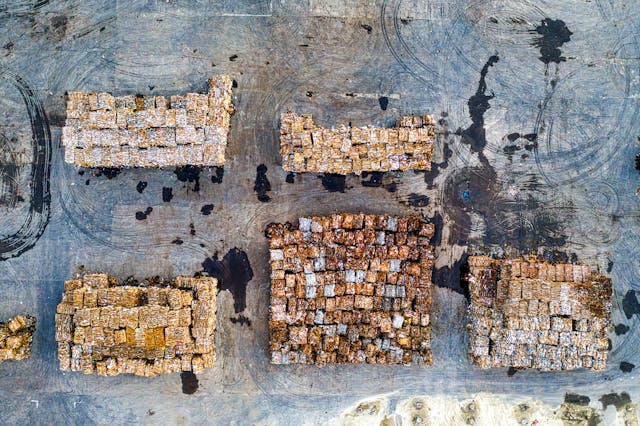
Industrial waste is no longer just a disposal problem it is increasingly treated as a financial asset. Businesses across manufacturing, construction, mining, and logistics generate large volumes of recyclable materials that can be reused, resold, or reprocessed. However, most companies still struggle to identify buyers, determine fair pricing, and access global demand.
An international recycled asset marketplace solves this by creating a structured global platform where recyclable materials are treated as tradeable assets rather than waste. It connects suppliers, recyclers, exporters, and industrial buyers into a unified ecosystem that maximizes value recovery.
What Is an International Recycled Asset Marketplace?
An international recycled asset marketplace is a global B2B trading platform where recyclable materials and industrial waste are categorized, valued, and traded as economic assets.
Unlike traditional scrap trading, these platforms focus on:
- Asset valuation of recyclable materials
- Structured global trading systems
- Standardized quality grading
- Cross-border material exchange
- Circular economy integration
Core Functions
- Listing recycled materials as assets
- Matching global buyers and sellers
- Price discovery and benchmarking
- Bulk trade facilitation
- Logistics and export coordination
- Quality verification and compliance
How International Recycled Asset Marketplaces Work
Step 1: Asset Identification
- Businesses identify recyclable outputs such as:
- Industrial scrap
- Manufacturing byproducts
- Construction waste
- Packaging materials
- Metal and plastic residues
Step 2: Asset Listing and Classification
- Materials are listed with structured details:
- Material type and category
- Quantity and weight
- Grade and purity
- Source industry
- Storage condition
- Export readiness
Step 3: Global Buyer Matching
- Buyers search using filters such as:
- Material specifications
- Industry requirements
- Price range
- Geographic location
- Volume requirements
Step 4: Negotiation and Contracting
- Parties agree on:
- Price per ton
- Delivery timelines
- Quality inspection terms
- Payment conditions
Step 5: Logistics and Trade Execution
- Platforms coordinate:
- Freight forwarding
- Container optimization
- Customs clearance
- Cross-border documentation
Types of Recycled Assets Traded Globally
Metal Assets
- Copper scrap
- Aluminum scrap
- Steel scrap
- Brass and zinc materials
Plastic Assets
- PET flakes
- HDPE granules
- LDPE film
- PP industrial waste
Paper Assets
- OCC cardboard
- Mixed paper waste
- Kraft paper
- Industrial pulp residue
Industrial Byproducts
- Slag
- Fly ash
- Foundry sand
- Rubber waste
Specialized Recycling Assets
- E-waste components
- Battery materials
- Chemical residues
- Composite materials
Benefits of an International Recycled Asset Marketplace
1. Converts Waste into Financial Assets
- Recyclable materials are treated as revenue-generating resources.
2. Global Market Access
- Suppliers can reach international buyers beyond local markets.
3. Transparent Pricing Structure
- Market-based pricing improves fairness and efficiency.
4. Higher Resource Recovery Rates
- More materials are reused instead of discarded.
5. Reduced Environmental Impact
- Supports sustainability and reduces landfill dependency.
Challenges in Recycled Asset Marketplaces
Standardization Issues
- Different regions use different grading systems.
Regulatory Compliance
- Cross-border recycling requires environmental approvals and documentation.
Logistics Complexity
- International shipping requires coordination and cost optimization.
Market Fragmentation
- Many suppliers still operate outside structured platforms.
How to Choose a Recycled Asset Marketplace
Strong Global Buyer Network
- Platforms should connect multiple countries and industries.
Transparent Pricing Systems
- Real-time or indexed pricing improves trust.
Verified Supplier Base
- Ensures quality and compliance of traded assets.
Integrated Logistics Support
- Shipping, customs, and documentation support is essential.
FAQs
What is an international recycled asset marketplace?
- It is a global trading platform where recyclable materials are treated as economic assets and traded between businesses worldwide.
Why are recycled assets valuable?
- Because they can be reused in manufacturing, reducing raw material costs and supporting sustainability goals.
What materials are traded in recycled asset marketplaces?
- Metals, plastics, paper, industrial byproducts, and electronic waste materials are commonly traded.
How is pricing determined in recycled asset markets?
- Pricing depends on material quality, demand, processing level, and logistics costs.
Who uses recycled asset marketplaces?
- Manufacturers, recyclers, exporters, scrap traders, and industrial buyers use these platforms.
Conclusion
- An international recycled asset marketplace transforms traditional waste management into a structured global trading system. By treating recyclable materials as financial assets, businesses unlock new revenue streams, improve efficiency, and strengthen sustainability practices.