

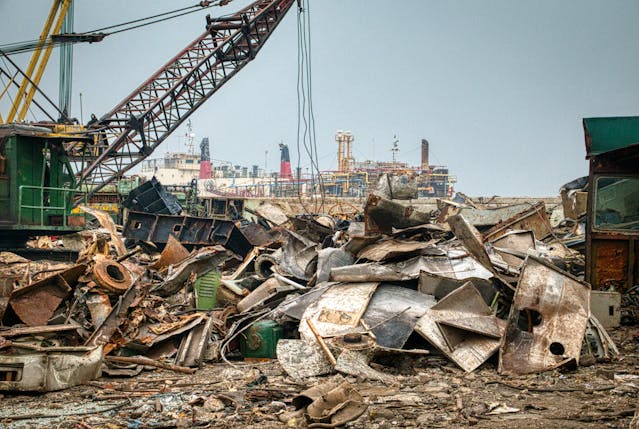
Global scrap trading is no longer dependent on fragmented local brokers, manual negotiations, or limited regional supply chains. Today, an international scrap connectivity platform enables seamless digital connections between scrap suppliers, recyclers, exporters, and industrial buyers across the world.
These platforms are reshaping how copper, aluminum, steel, stainless steel, and electronic scrap are sourced and traded by removing inefficiencies in communication, pricing discovery, and logistics coordination. Instead of relying on traditional middlemen, businesses now use structured digital ecosystems that improve transparency and speed.
As global demand for recycled metals continues rising due to sustainability goals and manufacturing expansion, scrap connectivity platforms are becoming essential infrastructure for international trade. This guide explains how they work, what benefits they offer, pricing structures, key materials traded, and how businesses can scale using global scrap networks.
What Is an International Scrap Connectivity Platform?
An international scrap connectivity platform is a digital system that connects global participants in the scrap metal and recycling supply chain.
It functions as a centralized marketplace where buyers and sellers interact directly to trade recyclable materials.
These platforms typically connect:
- Scrap suppliers
- Recycling facilities
- Industrial manufacturers
- Metal traders
- Exporters and importers
- Foundries and smelters
The primary goal is to improve connectivity, reduce transaction friction, and create a more efficient global scrap ecosystem.
Core Functions of Scrap Connectivity Platforms
- Supplier-buyer matching
- Real-time scrap listings
- Price discovery tools
- Bulk trade coordination
- Logistics integration
- Export documentation support
- Quality verification workflows
Why Scrap Connectivity Platforms Are Growing Globally
The global scrap industry is expanding rapidly due to industrial demand and environmental pressure.
Rising Demand for Recycled Materials
Manufacturers increasingly rely on recycled metals because they:
- Reduce production costs
- Lower carbon emissions
- Support sustainability goals
- Improve raw material security
Supply Chain Fragmentation Issues
Traditional scrap sourcing is often inefficient due to:
- Lack of transparency
- Regional supply limitations
- Price inconsistencies
- Limited supplier access
Connectivity platforms solve these issues by centralizing access.
Digitalization of Commodity Trading
Modern scrap trading is shifting toward digital-first systems that offer:
- Instant inquiries
- Verified suppliers
- Automated matching
- Market-based pricing insights
This improves trading speed and reliability.
How an International Scrap Connectivity Platform Works
These platforms follow a structured digital workflow designed for global trade efficiency.
Step 1: Supplier Onboarding
Suppliers list available materials including:
- Scrap type
- Grade and purity
- Quantity
- Location
- Loading details
- Certifications
Step 2: Buyer Search and Filtering
Buyers search based on:
- Metal category
- Grade specification
- Region
- Pricing expectations
- Shipment terms
Step 3: Connectivity Matching
The platform connects buyers and sellers based on:
- Demand alignment
- Material availability
- Pricing compatibility
- Logistics feasibility
Step 4: Negotiation and Quotation
Parties negotiate:
- Price per ton
- Payment terms
- Delivery schedule
- Inspection requirements
Step 5: Logistics Execution
Once agreed, shipment is arranged via:
- Container booking
- Freight forwarding
- Export documentation
- Customs clearance
Key Materials Traded on Scrap Connectivity Platforms
International scrap connectivity platforms support a wide range of recyclable materials.
Copper Scrap
One of the highest-value materials globally.
Common types:
- Bare bright copper
- Insulated copper wire
- Copper tubing
- Motor scrap
Used in:
- Electrical systems
- EV manufacturing
- Power infrastructure
Aluminum Scrap
Widely used due to lightweight properties.
Includes:
- UBC cans
- Extrusion scrap
- Cast aluminum
- Sheet scrap
Steel Scrap
Highest volume traded material globally.
Includes:
- HMS 1 & 2
- Shredded steel
- Structural scrap
Stainless Steel Scrap
High-value industrial material.
Grades:
- 304 stainless steel
- 316 stainless steel
Electronic Scrap
E-waste contains valuable recoverable metals:
- Gold
- Silver
- Copper
- Palladium
Benefits of an International Scrap Connectivity Platform
For Buyers
- Access to global suppliers
- Improved pricing transparency
- Faster sourcing cycles
- Bulk procurement options
- Reduced dependency on local markets
For Sellers
- Global buyer exposure
- Faster sales conversion
- Higher competition for pricing
- Reduced inventory holding time
For Traders and Brokers
- Expanded network reach
- Faster deal closures
- Better deal matching efficiency
Pricing Factors in Scrap Connectivity Markets
Scrap pricing is influenced by multiple dynamic factors.
| Factor | Impact |
|---|---|
| Metal Grade | Higher purity increases value |
| Global Demand | Drives price fluctuations |
| Freight Costs | Affects landed pricing |
| Supply Availability | Scarcity increases price |
| Commodity Index | Benchmark pricing influence |
| Volume | Bulk reduces per-unit cost |
Example Scrap Price Ranges
- Copper Scrap: $6,000–$9,000 per ton
- Aluminum Scrap: $1,200–$2,500 per ton
- Steel Scrap: $300–$600 per ton
- Brass Scrap: $4,000–$6,500 per ton
Challenges in Scrap Connectivity Platforms
Despite efficiency improvements, challenges remain.
Common Issues
- Supplier verification risks
- Quality inconsistencies
- Freight delays
- Regulatory differences across countries
- Market volatility
Risk Mitigation Strategies
- Use verified supplier systems
- Request inspection reports
- Confirm export documentation
- Monitor global commodity prices
- Use secure payment structures
How Businesses Use Scrap Connectivity Platforms
Industrial Procurement
Manufacturers source recycled materials for production at scale.
Export Operations
Exporters connect directly with international buyers.
Recycling Optimization
Recyclers monetize scrap more efficiently through global exposure.
Trading Expansion
Traders build global networks for faster deal flow.
Future of International Scrap Connectivity Platforms
The industry is rapidly evolving with advanced technology.
Emerging Trends
- AI-based supplier matching
- Blockchain trade verification
- Automated pricing engines
- Carbon tracking systems
- Smart logistics integration
- Circular economy supply chains
These innovations are improving transparency and efficiency across global scrap markets.
FAQs
What is an international scrap connectivity platform?
It is a digital marketplace that connects global buyers and sellers of scrap materials to improve sourcing, trading, and logistics efficiency.
Which materials are traded on these platforms?
Copper, aluminum, steel, stainless steel, brass, and electronic scrap are commonly traded globally.
How do these platforms improve scrap trading?
They improve transparency, reduce sourcing time, expand supplier access, and simplify logistics coordination.
Are scrap connectivity platforms safe to use?
Yes, if they include verified suppliers, inspection systems, and secure transaction processes.
Can small businesses use these platforms?
Yes, both small traders and large industrial buyers can use scrap connectivity platforms to access global markets.
Conclusion
An international scrap connectivity platform is transforming how recyclable materials are traded across the world. By enabling direct global connections between buyers and sellers, these platforms improve efficiency, transparency, and access to valuable scrap resources.
Businesses that adopt digital scrap connectivity gain stronger sourcing capabilities, better pricing visibility, and more resilient supply chains.