

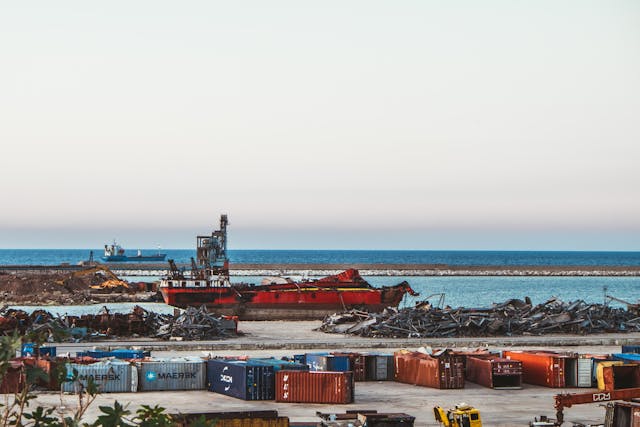
Global scrap trade is fragmented across thousands of local suppliers, brokers, and recycling yards, making sourcing slow, inconsistent, and often unreliable. An international scrap trading directory solves this by centralizing verified listings of scrap suppliers, exporters, recyclers, and industrial buyers into one structured system.
Instead of manually searching for copper, aluminum, steel, stainless steel, or electronic scrap suppliers across regions, businesses can quickly access a curated directory that improves transparency, pricing discovery, and trade reliability.
As global demand for recycled metals grows and supply chains shift toward digital procurement, scrap trading directories are becoming essential infrastructure for industrial sourcing. This guide explains how these directories work, what materials are listed, pricing dynamics, benefits, and how businesses use them for global expansion.
What Is an International Scrap Trading Directory?
An international scrap trading directory is a structured database or digital listing system that connects global participants in the scrap recycling and trading ecosystem.
It includes verified profiles of:
- Scrap suppliers and collectors
- Recycling companies
- Industrial manufacturers
- Exporters and importers
- Metal processors and traders
The purpose is to simplify discovery and reduce friction in global scrap procurement.
How an International Scrap Trading Directory Works
Scrap trading directories follow a structured listing and matching model.
Supplier onboarding
Businesses register and submit:
- Company verification documents
- Scrap categories handled
- Export/import capabilities
- Operational locations
Listing creation
Each listing includes:
- Scrap type and grade
- Available quantity
- Pricing or quote format
- Material condition
- Logistics details
Buyer search process
Buyers filter suppliers based on:
- Material type
- Price expectations
- Country or region
- Volume requirements
Connection and negotiation
Once matched:
- Buyers request quotes
- Pricing is negotiated
- Terms of trade are finalized
- Logistics are arranged
Why Scrap Trading Directories Are Growing Globally
Several macro trends are driving adoption.
Expansion of recycled material demand
Industries increasingly rely on recycled metals to:
- Reduce production costs
- Improve sustainability performance
- Stabilize raw material supply
Fragmented global scrap supply
Scrap originates from multiple sources:
- Manufacturing waste
- Construction demolition
- Industrial recycling
- Consumer waste streams
Directories help unify this fragmented ecosystem.
Shift toward digital procurement
Traditional sourcing is being replaced by:
- Online supplier discovery
- Verified listings
- Data-driven pricing transparency
Cross-border trade complexity
Directories simplify:
- Export documentation
- Supplier verification
- Logistics coordination
Key Materials Listed in Scrap Trading Directories
Copper scrap
High-value material used in:
- Electrical wiring
- EV manufacturing
- Power infrastructure
Common forms:
- Bare bright copper
- Insulated copper wire
- Copper tubing scrap
Aluminum scrap
Widely used due to lightweight properties:
- Automotive parts
- Construction materials
- Packaging industries
Steel scrap
Largest volume traded globally:
- Structural steel
- HMS scrap
- Industrial machinery waste
Stainless steel scrap
Used in:
- Food processing equipment
- Medical instruments
- Industrial fabrication
Electronic scrap (e-waste)
Contains recoverable metals:
- Gold
- Silver
- Palladium
- Copper
Benefits of an International Scrap Trading Directory
For buyers
- Faster supplier discovery
- Verified global sourcing options
- Better price transparency
- Reduced procurement risk
For suppliers
- Global exposure to buyers
- Increased deal opportunities
- Faster inventory turnover
- Reduced dependency on local markets
For traders and brokers
- Expanded deal pipeline
- Improved matching efficiency
- Higher transaction volume
How Businesses Use Scrap Trading Directories
Industrial procurement
Manufacturers source recycled raw materials at scale for production.
Recycling operations
Recyclers find global buyers for processed scrap materials.
Export expansion
Suppliers reach international markets more easily.
Commodity trading
Traders improve deal flow and pricing efficiency.
Future of International Scrap Trading Directories
The industry is evolving toward fully automated global systems.
Key trends:
- AI-based supplier matching
- Blockchain verification of trade records
- Automated pricing engines
- Carbon footprint tracking
- Smart logistics optimization
These innovations are making scrap directories more transparent, scalable, and efficient.
FAQs
What is an international scrap trading directory?
It is a global listing system that connects scrap buyers, sellers, and recyclers for efficient sourcing and trade.
What materials are included in scrap directories?
Copper, aluminum, steel, stainless steel, and electronic scrap are most commonly listed.
Are scrap trading directories reliable?
Yes, especially when they include verified suppliers and inspection-based listings.
How do buyers use these directories?
Buyers filter suppliers by material type, price, location, and verification status.
Can small businesses use scrap directories?
Yes, they are suitable for both small traders and large industrial buyers.
Conclusion
An international scrap trading directory is a foundational tool for modern recycling and industrial sourcing. It simplifies global scrap procurement by connecting verified suppliers and buyers in one structured ecosystem.
Businesses using these directories benefit from faster sourcing, better pricing transparency, and improved access to global markets.