

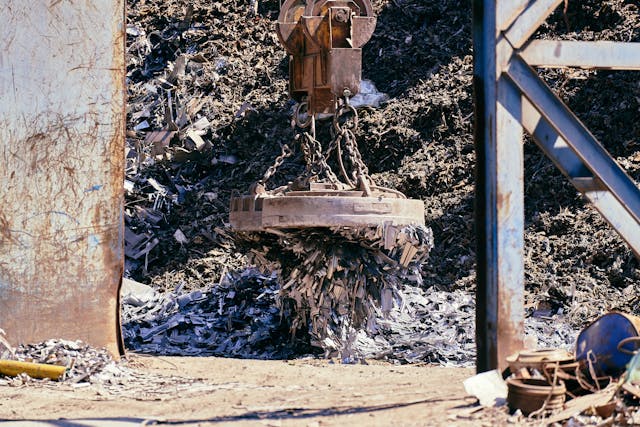
Businesses across manufacturing, construction, automotive, and industrial sectors increasingly depend on recycled materials to reduce costs and improve sustainability. A recycled metals procurement marketplace helps buyers source copper, aluminum, steel, stainless steel, brass, and other recyclable metals from verified suppliers.
Traditional sourcing often depends on fragmented supplier networks, local scrap yards, or brokers. Procurement marketplaces simplify this process by creating centralized access to suppliers, pricing, inventory availability, and logistics support.
As global demand for recycled feedstock rises, procurement platforms are becoming essential for businesses seeking stable metal supply chains. This guide explains how a recycled metals procurement marketplace works, key procurement strategies, pricing drivers, common materials sourced, and how companies can optimize buying decisions.
What Is a Recycled Metals Procurement Marketplace?
A recycled metals procurement marketplace is a digital platform where industrial buyers source recyclable metal materials from global suppliers.
These platforms connect:
- Manufacturers
- Foundries
- Metal recyclers
- Industrial plants
- Scrap processors
- Commodity traders
- Exporters
The goal is to simplify procurement by improving visibility into available materials and supplier networks.
What Buyers Can Do on Procurement Platforms
Buyers can:
- Compare supplier offers
- Review metal grades
- Request bulk quotations
- Source internationally
- Negotiate pricing
- Arrange shipping
- Build recurring supply agreements
Procurement marketplaces streamline sourcing and reduce purchasing delays.
Why Recycled Metal Procurement Is Growing
Global procurement of recycled metals continues increasing because businesses seek cost savings and sustainability.
Demand for Sustainable Materials
Companies increasingly use recycled metals because they:
- Reduce carbon emissions
- Lower energy usage
- Support ESG targets
- Improve circular economy participation
Manufacturers are shifting toward recycled feedstock to meet sustainability goals.
Rising Costs of Virgin Metals
Mining and extraction costs continue increasing.
Recycled metals offer:
- Lower sourcing costs
- Reduced refining requirements
- Faster availability
- Stable procurement alternatives
Supply Chain Risk Reduction
Businesses diversify procurement through recycled sourcing.
Benefits include:
- Reduced dependence on virgin suppliers
- Access to regional inventory
- Backup sourcing channels
- Better pricing flexibility
Digital Procurement Systems
Modern marketplaces provide:
- Real-time listings
- Supplier verification
- Bulk RFQ systems
- Freight coordination
- Purchase tracking
These tools improve procurement efficiency.
How a Recycled Metals Procurement Marketplace Works
Procurement platforms follow a structured sourcing process.
Supplier Lists Available Material
Suppliers upload:
- Material type
- Grade
- Quantity
- Photos
- Shipping location
- Certifications
- Availability timeline
Buyer Searches Inventory
Procurement filters often include:
- Metal category
- Quantity requirements
- Region
- Price range
- Purity level
- Shipping terms
Request for Quote (RFQ)
Buyers request pricing based on:
- Volume
- Frequency
- Delivery location
- Contract duration
Supplier Evaluation
Buyers compare suppliers using:
- Pricing
- Ratings
- Material quality
- Certifications
- Shipping capability
Purchase and Logistics
After agreement:
- Purchase order is issued
- Freight is arranged
- Documentation is processed
- Shipment is completed
Common Metals Purchased Through Procurement Marketplaces
Recycled metal marketplaces support multiple industries.
Copper Scrap Procurement
Copper is one of the highest-demand recycled materials.
Common categories include:
- Bare bright copper
- Copper wire scrap
- Electric motor scrap
- Copper tubing
Industries sourcing copper include:
- Electronics
- Renewable energy
- Automotive
- Infrastructure
Aluminum Scrap Procurement
Aluminum remains widely sourced due to lightweight applications.
Popular categories include:
- Extrusion scrap
- UBC cans
- Cast aluminum
- Wheel scrap
Steel Scrap Procurement
Steel dominates procurement volume.
Common steel categories include:
- HMS 1 & 2
- Structural steel scrap
- Shredded steel
- Rebar scrap
Stainless Steel Procurement
Industries value stainless steel because of corrosion resistance.
Common grades include:
- 304 stainless steel
- 316 stainless steel
- Stainless turnings
Brass and Mixed Alloys
Procurement marketplaces also support:
- Brass scrap
- Zinc alloys
- Nickel-containing materials
- Mixed non-ferrous scrap
Benefits of Using a Recycled Metals Procurement Marketplace
Procurement platforms provide clear business advantages.
Benefits for Buyers
Buyers gain:
- Larger supplier access
- Faster sourcing
- Better price comparison
- Improved procurement visibility
- International supply options
Benefits for Suppliers
Suppliers receive:
- Greater buyer exposure
- More RFQs
- Recurring contracts
- Faster sales cycles
- Increased inventory turnover
Benefits for Procurement Teams
Procurement departments can:
- Standardize sourcing
- Track purchase history
- Compare vendors
- Improve budgeting
- Reduce sourcing delays
Pricing Factors in Recycled Metal Procurement
Metal pricing changes frequently.
Major Procurement Pricing Variables
| Factor | Impact |
|---|---|
| Metal Grade | Higher purity increases cost |
| Market Demand | High demand raises pricing |
| Quantity Purchased | Bulk often lowers unit cost |
| Freight Costs | Logistics influence total price |
| Commodity Prices | Metal indexes affect value |
| Supplier Region | Regional supply impacts cost |
Estimated Procurement Pricing
| Material | Estimated Price Range |
| Copper Scrap | $6,000–$9,000 per ton |
| Aluminum Scrap | $1,200–$2,500 per ton |
| Steel Scrap | $300–$600 per ton |
| Brass Scrap | $4,000–$6,500 per ton |
| Stainless Steel | $1,000–$2,800 per ton |
Prices vary based on quality, region, and supply availability.
Procurement Strategies for Recycled Metals Buyers
Strong procurement strategies improve consistency and margins.
Build Supplier Diversity
Avoid relying on a single supplier.
Buyers should:
- Source from multiple regions
- Maintain backup vendors
- Track supplier performance
Monitor Commodity Markets
Procurement teams should monitor:
- Copper indexes
- Steel futures
- Aluminum market movement
- Shipping costs
Use Long-Term Contracts
Long-term agreements help:
- Lock pricing
- Secure supply
- Reduce volatility
- Improve planning
Prioritize Material Verification
Always verify:
- Grade specifications
- Contamination levels
- Testing reports
- Certifications
Challenges in Recycled Metal Procurement
Procurement marketplaces also create challenges.
Common Procurement Issues
- Quality inconsistency
- Freight delays
- Supplier reliability
- Price volatility
- Documentation errors
- Material contamination
Risk Management Tips
Businesses should:
- Verify suppliers
- Request inspection reports
- Use secure payment terms
- Review export regulations
- Maintain sourcing backups
Important Features in a Procurement Marketplace
Not all procurement systems provide equal value.
Features to Prioritize
| Feature | Benefit |
| Verified Suppliers | Reduces procurement risk |
| RFQ Management | Faster sourcing |
| Material Filters | Better search efficiency |
| Pricing Visibility | Easier comparison |
| Bulk Listings | Supports industrial procurement |
| Logistics Tools | Simplifies delivery |
| Supplier Ratings | Better purchasing decisions |
Businesses should choose marketplaces with active supplier networks.
Trends Shaping Recycled Metal Procurement
The procurement industry continues evolving.
Emerging Trends
- AI-powered sourcing tools
- Automated RFQ systems
- Supplier analytics dashboards
- Carbon footprint tracking
- Procurement automation
- Circular sourcing programs
Recycled procurement is becoming a long-term sourcing strategy for industrial buyers.
FAQs
What is a recycled metals procurement marketplace?
A recycled metals procurement marketplace is a platform where businesses source recyclable metal materials from suppliers.
Which metals are commonly sourced?
Copper, aluminum, steel, stainless steel, brass, and mixed non-ferrous metals are widely procured.
Why do businesses buy recycled metals?
Recycled metals often reduce costs, improve sustainability, and create supply chain flexibility.
How do buyers verify suppliers?
Buyers review certifications, supplier ratings, inspection reports, and product documentation.
Are procurement marketplaces suitable for bulk buying?
Yes. Many procurement platforms support industrial-scale purchasing and recurring supply contracts.
Conclusion
A recycled metals procurement marketplace helps businesses simplify sourcing, compare suppliers, and improve procurement efficiency. By centralizing recycled metal supply networks, these platforms create better visibility into pricing, availability, and logistics.
Companies using procurement marketplaces can reduce sourcing risk, improve sustainability, and secure reliable access to recyclable materials.