
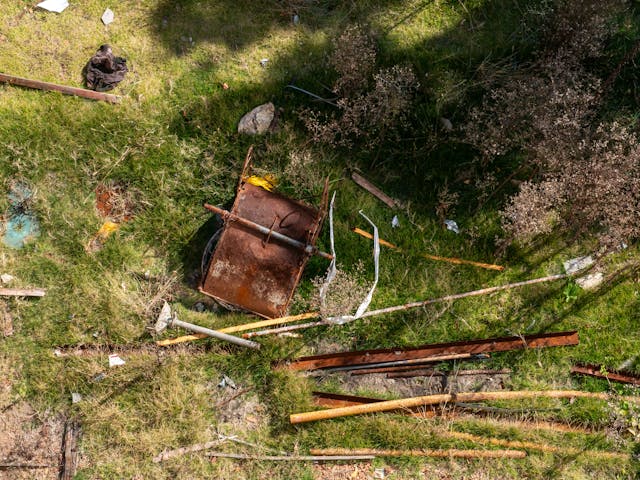
Many people assume rusted metal has no value, but that is not entirely true. Whether you are cleaning out an old property, managing industrial waste, or selling scrap from construction or demolition projects, you may wonder: can scrap metal be rusted and still be recycled?
The short answer is yes. Most scrap yards accept rusted scrap metal, although the amount of rust and the type of metal can affect the final price. Rust is common in ferrous metals like steel and iron, especially when exposed to moisture and outdoor conditions over time.
Can Scrap Metal Be Rusted?
Yes, scrap metal can be rusted and still be recyclable. Most scrap yards regularly process rusted metal from:
- Old vehicles
- Construction debris
- Industrial equipment
- Farm machinery
- Demolition waste
- Household appliances
Rust does not automatically make metal worthless. In many cases, scrap yards can still process and recycle rusted metal efficiently.
What Causes Scrap Metal to Rust?
Rust forms when iron or steel reacts with:
- Oxygen
- Water
- Moisture
- Humidity
This chemical reaction creates iron oxide, commonly called rust.
Metals That Commonly Rust
| Metal Type | Rusts? |
|---|---|
| Iron | Yes |
| Carbon Steel | Yes |
| Cast Iron | Yes |
| Stainless Steel | Sometimes |
| Aluminum | No |
| Copper | No |
| Brass | No |
Can Rusted Metal Still Be Recycled?
Absolutely. Most rusted metal can still be melted down and reused in manufacturing.
Why Scrap Yards Accept Rusted Metal
Recycling facilities process scrap using:
- Shredding
- Magnetic separation
- Melting
- Refining
How Rust Affects Scrap Metal Value
Rust can reduce scrap value depending on several factors.
1. Weight Loss
Rust gradually eats away at the metal surface, reducing total weight.
Since scrap yards pay by weight, heavily rusted scrap may earn less money.
2. Metal Purity
Clean scrap metal receives better pricing than contaminated or corroded materials.
3. Processing Costs
Scrap yards may need extra processing for severely rusted loads.
4. Structural Damage
If rust has weakened the metal significantly, recovery rates may decrease.
Does All Rusted Scrap Metal Have Low Value?
No. Some rusted metals still hold strong market value.
High-Value Rusted Scrap Examples
Heavy Steel Scrap
Large industrial steel components often remain valuable despite surface rust.
Machinery Scrap
Old farm equipment and industrial machines can still contain recoverable metal.
Automotive Scrap
Rusted vehicle bodies are commonly recycled.
What Scrap Yards Usually Accept
Most scrap yards accept:
- Rusted steel
- Rusted iron
- Structural beams
- Metal pipes
- Old appliances
- Machinery parts
- Vehicle scrap
However, scrap yards may reject:
- Completely deteriorated metal
- Contaminated hazardous waste
- Mixed non-metal debris
How to Increase the Value of Rusted Scrap Metal
Separate Metals
Sort ferrous and non-ferrous metals before selling.
Remove Non-Metal Attachments
Take off:
Plastic
Rubber
Wood
Insulation
Cleaner loads usually receive better prices.
Reduce Moisture
Wet scrap can increase weight inconsistently and may create pricing disputes.
Sell in Bulk
Commercial quantities often qualify for higher payout rates.
Ferrous vs Non-Ferrous Scrap Metal
Understanding the difference is important when selling rusted scrap.
Ferrous Metals
Ferrous metals contain iron and can rust.
Examples:
- Steel
- Cast iron
- Wrought iron
These are magnetic.
Non-Ferrous Metals
Non-ferrous metals do not contain iron.
Examples:
- Copper
- Aluminum
- Brass
- Lead
These usually have higher scrap value.
Can Stainless Steel Rust?
Many people believe stainless steel never rusts, but that is not always true.
Why Stainless Steel Resists Rust
Stainless steel contains chromium, which creates a protective layer against corrosion.
When Stainless Steel Can Rust
Rust may appear if:
- Exposed to saltwater
- Damaged or scratched
- Exposed to harsh chemicals
- Poor-quality alloy is used
Common Sources of Rusted Scrap Metal
Construction Sites
Steel beams
Rebar
Pipes
Farms and Rural Properties
Machinery
Fencing
Equipment frames
Demolition Projects
Structural steel
Roofing materials
Metal supports
Residential Cleanouts
Appliances
Old tools
Outdoor furniture
How Scrap Yards Process Rusted Metal
Modern recycling facilities use advanced equipment to recover reusable metal.
Processing Steps
| Step | Process |
|---|---|
| Collection | Scrap is gathered and transported |
| Sorting | Metals separated by type |
| Shredding | Large pieces broken down |
| Magnetic Separation | Ferrous metals extracted |
| Melting | Metal purified for reuse |
Scrap Metal Prices for Rusted Metals
Prices vary based on:
- Metal type
- Rust severity
- Local demand
- Global commodity markets
- Quantity
General Scrap Value Trends
| Material | Typical Value Level |
|---|---|
| Copper | High |
| Aluminum | Medium to High |
| Brass | High |
| Steel | Lower but stable |
| Cast Iron | Medium |
FAQs
Can heavily rusted metal still be recycled?
Yes. Most steel and iron scrap can still be recycled unless the metal has completely deteriorated beyond recovery.
Do scrap yards buy rusty metal?
Yes. Most scrap yards regularly buy rusted steel, iron, appliances, machinery, and automotive scrap.
Does rust lower scrap metal prices?
Usually yes. Excessive rust can reduce metal weight and quality, lowering overall value.
Can aluminum rust?
No. Aluminum does not rust because it does not contain iron, although it can corrode over time.
Is rusty steel still valuable?
Yes. Rusty steel still contains recyclable metal and often has value, especially in bulk quantities.
Conclusion
Can scrap metal be rusted? Yes and most rusted scrap metal can still be recycled and sold profitably. While rust may reduce the overall value of some materials, scrap yards continue to process millions of tons of rusted steel and iron every year.
The key to maximizing returns is proper sorting, cleaning, and understanding market demand. Whether you are handling industrial scrap, demolition waste, or household metal, recycling rusted scrap helps both the environment and the economy.