

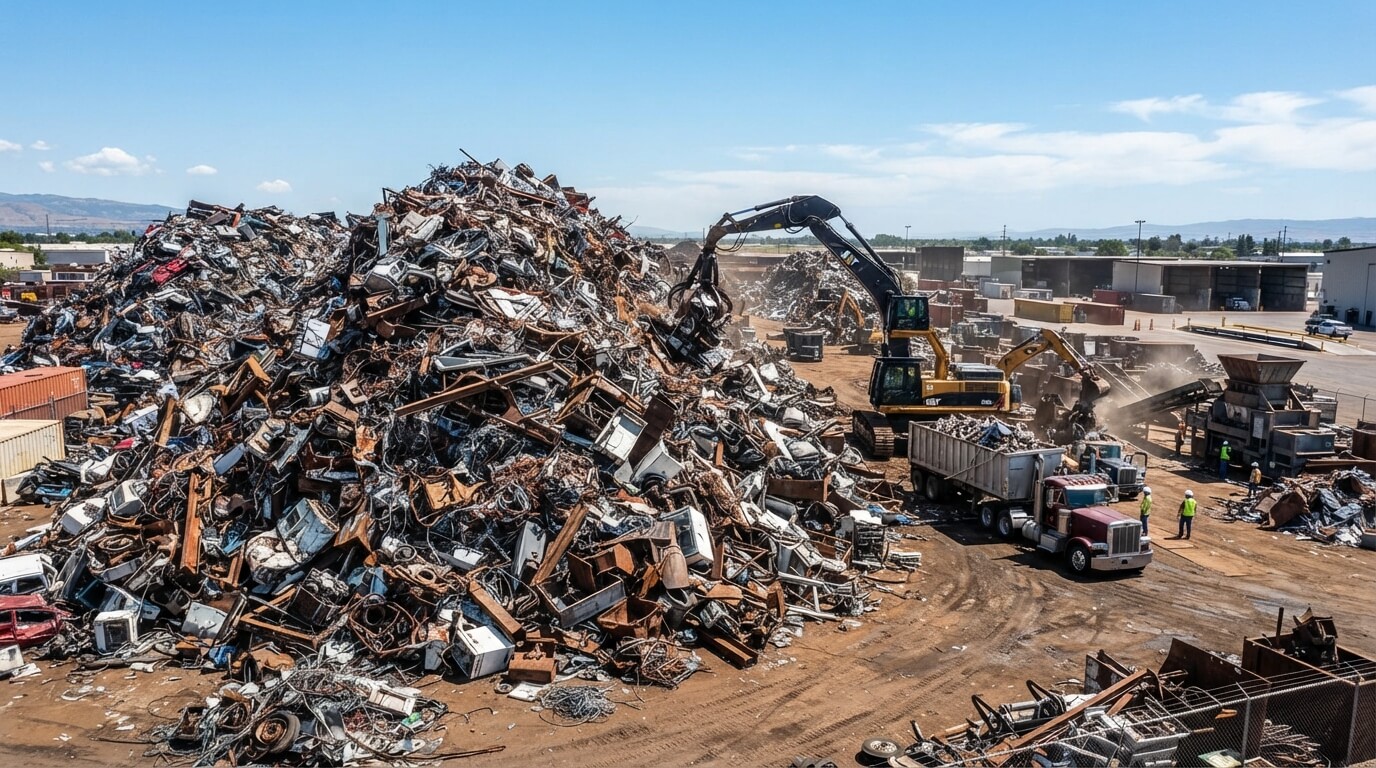
Unwanted scrap accumulation is a growing challenge for homes, businesses, and industries. Old appliances, metal waste, construction debris, electronic items, and industrial scrap often take up valuable space while creating safety, storage, and environmental concerns. When scrap materials are improperly disposed of, valuable recyclable resources are lost, businesses miss potential revenue opportunities, and harmful waste can contribute to pollution and landfill growth.
Professional scrap collection and recycling services provide an efficient solution by helping individuals and companies remove unwanted materials, recover valuable resources, and support sustainable waste management practices. These services ensure scrap is collected, sorted, processed, and recycled through responsible channels.
What Are Scrap Collection and Recycling Services?
Scrap collection and recycling services help homes, businesses, and industries remove unwanted materials and convert them into reusable resources. These services reduce landfill waste, protect the environment, and help recover financial value from recyclable materials such as metal, electronics, vehicles, and industrial waste.
Professional scrap collectors handle the complete process, including collection, sorting, transportation, processing, and recycling. By working with reliable scrap buyers and recycling companies, individuals and businesses can manage waste efficiently while maximizing the value of their scrap materials.
Understanding Scrap Collection Services
Scrap collection is the process of collecting unwanted recyclable materials from residential, commercial, and industrial locations for recycling or reuse.
Residential vs Commercial Scrap Collection
Residential scrap collection helps homeowners remove items such as old appliances, electronics, metal furniture, and household scrap.
Commercial scrap collection supports businesses, factories, and construction companies by handling larger volumes of materials like metal waste, machinery parts, and industrial scrap.
Scheduled Pickup and On-Demand Collection
- Scheduled pickup: Regular scrap collection for businesses with continuous waste generation.
- On-demand collection: One-time pickup services for homes, offices, and special projects.
Scrap buyers and recycling companies evaluate materials, provide pricing, arrange pickup, and ensure scrap is processed through proper recycling channels.
How Scrap Recycling Services Work
1. Scrap Identification and Sorting
Scrap materials are identified and separated based on type, quality, and value, such as copper, aluminium, steel, and e-waste.
2. Collection and Transportation
Collected scrap is safely transported from homes, businesses, or industrial sites to recycling facilities.
3. Processing and Separation
Recycling facilities process scrap through sorting, shredding, cleaning, and separation to recover valuable materials.
4. Recycling and Reuse
Processed materials are converted into reusable raw materials for manufacturing new products.
5. Selling Recycled Materials
Recycled materials are sold to manufacturers and buyers, creating a sustainable supply chain and helping businesses maximize scrap value through platforms like ScrapTrade Global Marketplace.
Types of Scrap Materials Collected for Recycling
Scrap collection services handle a wide range of recyclable materials from homes, businesses, and industries. Proper collection and recycling of these materials help recover valuable resources, reduce landfill waste, and support sustainable manufacturing.
Metal Scrap Collection
Metal scrap is one of the most commonly collected recyclable materials because metals can be processed and reused multiple times. Scrap buyers collect different types of metals based on their quality and market value.
| Scrap Type | Common Sources |
|---|---|
| Copper Scrap | Electrical wiring, pipes, motors, cables |
| Aluminium Scrap | Vehicles, machinery, construction materials |
| Steel Scrap | Buildings, factories, equipment, machinery |
| Brass Scrap | Plumbing items, fittings, industrial parts |
| Stainless Steel Scrap | Appliances, kitchen equipment, machinery |
Recycling metal scrap helps industries reduce raw material costs while conserving natural resources.
Electronic Waste (E-Waste) Collection
Electronic waste recycling focuses on recovering valuable materials from old and unwanted electronic devices. E-waste often contains metals such as copper, aluminium, and precious metals that can be reused.
Common e-waste materials include:
- Computers and laptops
- Circuit boards
- Mobile phones and tablets
- Electrical equipment
- Cables and electronic components
Proper e-waste collection prevents harmful materials from entering landfills and allows valuable resources to be recovered.
Vehicle Scrap Collection
Vehicle scrap collection involves recycling old, damaged, or end-of-life vehicles. Scrap recycling companies dismantle vehicles to recover reusable parts and valuable metals.
Vehicle recycling includes:
- End-of-life vehicle collection
- Car parts recovery
- Engine and component recycling
- Metal separation and recovery
Materials such as steel, aluminium, copper, batteries, and reusable vehicle parts can be recovered during the recycling process.
Industrial Scrap Collection
Industrial scrap collection helps factories, construction companies, and warehouses manage large volumes of recyclable waste.
Common industrial scrap materials include:
- Manufacturing waste: Metal offcuts, production leftovers, and excess materials
- Factory scrap: Machinery parts, steel waste, and industrial equipment
- Construction scrap: Steel beams, pipes, cables, and demolition materials
- Warehouse scrap: Packaging materials, damaged equipment, and stored metal waste
Professional industrial scrap collection helps businesses maintain cleaner facilities, reduce waste management costs, and recover additional value from unused materials.
Benefits of Professional Scrap Collection and Recycling Services
Professional scrap collection and recycling services provide businesses and individuals with an efficient way to manage unwanted materials while gaining financial and environmental benefits. From recovering value from waste to improving workplace safety, proper scrap management helps create a cleaner and more sustainable operation.
Generate Revenue From Waste Materials
Scrap materials are not just waste; many items have significant resale value. Professional scrap collection helps businesses identify, collect, and sell recyclable materials such as copper, aluminium, steel, and electronic waste.
Benefits include:
- Recovering money from unused materials
- Turning industrial waste into an additional revenue source
- Improving cash flow through regular scrap sales
- Maximizing returns by connecting with reliable scrap buyers
Regular scrap collection ensures businesses do not lose value from accumulated materials.
Reduce Environmental Impact
Recycling scrap helps reduce the environmental problems caused by improper waste disposal. Instead of sending valuable materials to landfills, recycling allows resources to be recovered and reused.
Environmental benefits include:
- Less landfill waste
- Lower carbon emissions from reduced raw material extraction
- Conservation of natural resources
- Reduced energy consumption in manufacturing
Professional recycling services support sustainable waste management and a circular economy.
Improve Workplace Safety
Accumulated scrap can create safety risks in warehouses, factories, and construction sites. Professional scrap removal helps maintain cleaner and safer working environments.
Safety benefits include:
- Removing hazardous or sharp scrap materials
- Reducing clutter in storage areas
- Improving warehouse organization
- Creating safer working conditions for employees
Regular scrap collection helps businesses maintain efficient operations and meet workplace safety standards.
Save Time and Reduce Disposal Costs
Managing scrap internally can require significant time, labour, and transportation resources. Professional scrap collection companies handle the entire process, making disposal easier and more cost-effective.
Key advantages include:
- Professional scrap pickup services
- Transportation and handling support
- Proper recycling and disposal compliance
- Reduced labour and storage costs
By using reliable scrap collection services, businesses can focus on their core operations while ensuring their waste materials are managed responsibly.
Scrap Collection Process: Step-by-Step Guide
The scrap collection process involves identifying, collecting, transporting, and recycling unwanted materials to recover their maximum value. A proper scrap management process helps homes, businesses, and industries reduce waste, earn revenue from recyclable materials, and support sustainable recycling practices.
Professional scrap collection services simplify the process by connecting scrap sellers with reliable buyers, arranging transportation, and ensuring materials are processed through responsible recycling channels.
Step 1: Identify Scrap Materials
The first stage of scrap collection is identifying the materials available for recycling. Proper evaluation helps determine the type, quality, and potential value of the scrap.
During material inspection, scrap collectors check the condition, purity, and category of materials such as copper, aluminium, steel, electronics, and industrial waste. The quantity of scrap is also evaluated to estimate weight, transportation requirements, and overall value.
After inspection, scrap materials are classified into categories such as ferrous metals, non-ferrous metals, electronic waste, vehicle scrap, and industrial scrap. Accurate classification ensures better pricing and improves the efficiency of the recycling process.
Step 2: Request Scrap Pickup or Create a Listing
After identifying the scrap materials, sellers can request pickup services from scrap buyers or create listings on online scrap marketplaces. Digital platforms make it easier for businesses to share scrap details, connect with verified buyers, and compare available offers.
Online scrap marketplaces provide better transparency by allowing sellers to find suitable buyers based on material type, quantity, location, and pricing.
This approach helps sellers access a wider buyer network and improve the chances of receiving competitive prices for their recyclable materials.
Step 3: Scrap Pickup and Transportation
Once a buyer is selected, the scrap pickup process is scheduled according to the seller’s requirements. Professional collectors arrange the collection time, prepare suitable equipment, and manage the transportation process.
During pickup, scrap materials are carefully loaded to ensure safe handling and prevent damage. Small quantities may require manual loading, while large industrial scrap may need forklifts, cranes, or specialized vehicles.
Transportation arrangements depend on the scrap volume, location, and material type. Proper logistics management ensures scrap reaches recycling facilities safely and reduces unnecessary handling costs.
Step 4: Recycling and Processing
After collection, scrap materials are transported to recycling facilities for processing. The recycling process transforms discarded materials into reusable resources for manufacturing industries.
Materials are first sorted to separate different types of metals, plastics, electronics, and other recyclable components. Advanced recycling facilities may use shredding and separation technologies to recover valuable materials from mixed scrap.
Metal scrap such as copper, aluminium, and steel is often melted and processed into new raw materials. Through material recovery, recycled resources are returned to the supply chain and used to manufacture new products.
How to Choose the Right Scrap Recycling Service Provider
Choosing the right scrap recycling service provider helps ensure fair pricing, safe collection, and responsible recycling. A reliable provider should offer transparent services, proper material handling, and a trusted network of buyers.
Check Buyer Verification and Reputation
Before selecting a scrap buyer, check their credibility and experience. Look for:
- Licensed recyclers
- Verified buyers
- Positive customer reviews
- Transparent business practices
A trusted provider ensures your scrap is handled properly and recycled through approved channels.
Compare Scrap Prices
Scrap prices depend on material type, quality, and current market rates. Compare offers from different buyers and consider:
- Market-based pricing
- Material quality
- Latest scrap rates
Clean and properly sorted materials usually receive better value.
Look for Complete Collection Solutions
Choose a provider that offers complete scrap management support, including:
- Scrap pickup service
- Transportation
- Recycling certificates
- Secure payment options
A full-service provider makes scrap disposal easier while helping you maximize scrap value.
Future of Scrap Collection and Recycling Services
The future of scrap collection and recycling services is becoming more technology-driven, efficient, and sustainable. Digital platforms, advanced recycling technologies, and global trading networks are transforming how businesses collect, sell, and manage scrap materials.
Digital Scrap Marketplaces
Online scrap marketplaces are making it easier for buyers and sellers to connect, compare offers, and trade recyclable materials globally. These platforms improve transparency and help businesses find verified buyers for different scrap categories.
AI-Based Pricing Systems
Artificial intelligence is helping improve scrap pricing by analyzing market trends, material quality, demand, and historical data. AI-powered systems can provide more accurate price estimates and help sellers make better decisions.
Automated Sorting Technology
Modern recycling facilities are using automation, sensors, and advanced sorting systems to separate materials faster and more accurately. Automated sorting improves recycling efficiency and increases the recovery of valuable materials.
Sustainable Circular Economy
Scrap recycling plays a key role in building a circular economy by keeping materials in use for longer. Recycling metals, electronics, and industrial waste reduces landfill usage, saves natural resources, and lowers environmental impact.
Global Scrap Trading Networks
Global scrap trading networks allow businesses to buy and sell recyclable materials across international markets. Platforms like ScrapTrade Global Marketplace help connect suppliers and buyers, creating more efficient opportunities for worldwide scrap trading.
FAQs
Q1. What materials can be collected through scrap recycling services?
Answer:
Scrap recycling services collect materials including copper, aluminium, steel, brass, stainless steel, electronic waste, vehicles, machinery, and industrial scrap. These materials are sorted, processed, and reused to reduce waste and recover valuable resources.
Q2. How does scrap collection help businesses?
Answer:
Professional scrap collection helps businesses reduce storage issues, improve workplace safety, recover financial value from waste materials, and support environmentally responsible waste management practices.
Q3. How often should businesses schedule scrap pickup?
Answer:
The frequency depends on scrap volume. Manufacturing facilities and large businesses may require weekly or monthly collection, while smaller businesses can schedule pickups based on accumulated scrap quantities.
Q4. Can I sell scrap online instead of using local recyclers?
Answer:
Yes, online scrap marketplaces allow sellers to connect with verified buyers, compare offers, and manage scrap transactions more efficiently.
Conclusion
Scrap collection and recycling services provide an effective way to recover value from unwanted materials while reducing waste and environmental impact. By collecting, sorting, and recycling scrap properly, businesses and individuals can turn unused materials into valuable resources.
For businesses, professional scrap recycling solutions help reduce disposal costs, improve workplace efficiency, and support sustainable operations. Partnering with reliable recycling providers ensures scrap materials are managed responsibly and processed through proper channels.
With the support of experienced scrap buyers and recycling partners, managing scrap becomes easier, more profitable, and environmentally responsible.