

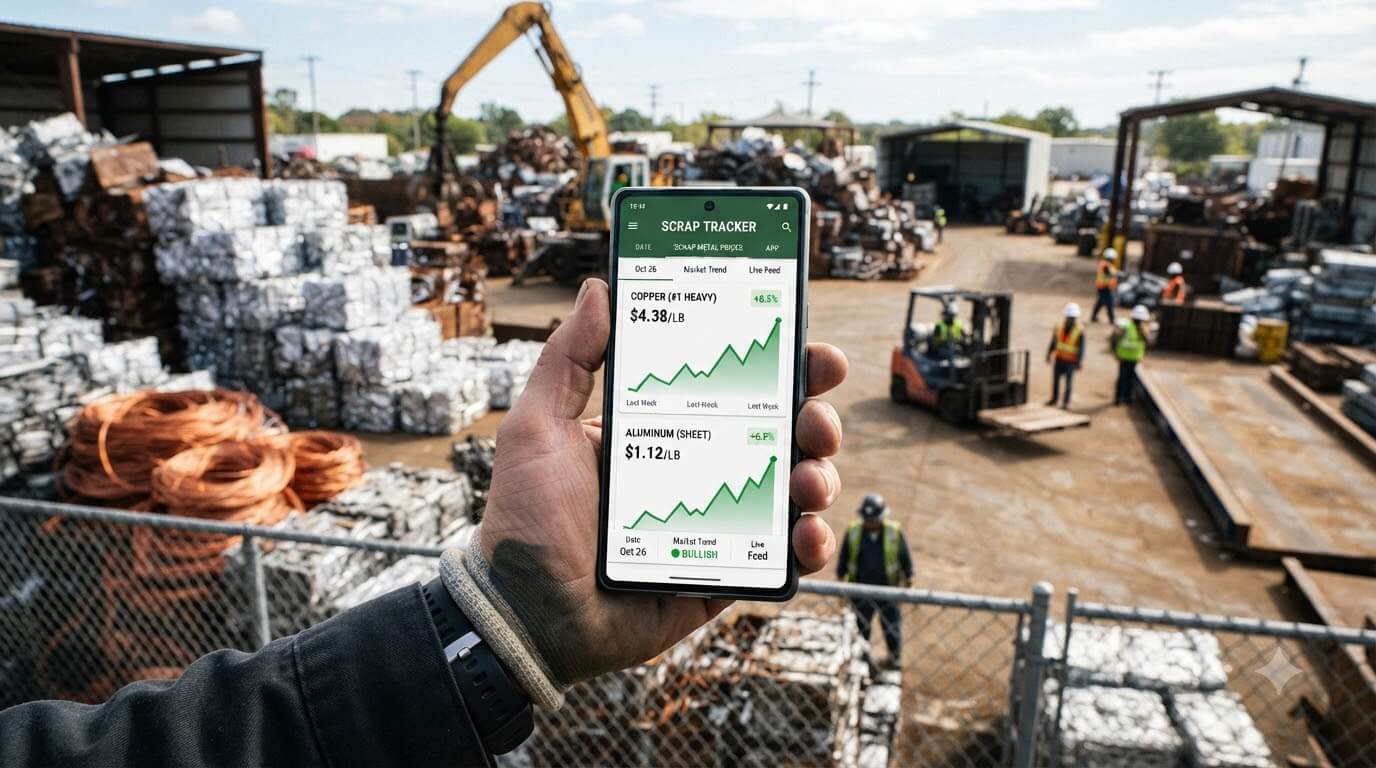
Traditional scrap metal trading can make it difficult for buyers and sellers to find suitable trading partners, especially when dealing with bulk quantities or specialized materials. Businesses may rely on limited local networks, while changing scrap prices, material grades, transportation costs, and international logistics can make transactions more complicated. Finding a buyer who needs the right material—or a reliable supplier offering the required quantity can take considerable time.
A scrap metal exchange provides a digital marketplace where businesses can connect with potential trading partners and explore wider market opportunities. Sellers can list available materials with details such as grade, quantity, and location, while buyers can discover listings, compare offers, negotiate prices, and arrange transactions. This guide explores the types of scrap metals traded through exchanges, how the trading process works, key benefits, pricing factors, and practical best practices for successful scrap metal trading.
What Is a Scrap Metal Exchange?
A scrap metal exchange is a digital marketplace that connects businesses looking to buy and sell recyclable metals. It provides a structured environment where sellers can showcase available scrap and buyers can search for materials based on type, grade, quantity, location, and other requirements.
Understanding Scrap Metal Exchanges
A scrap metal exchange brings buyers and sellers together in one digital marketplace. Sellers can list materials such as copper, aluminium, steel, brass, and other industrial scrap, while buyers can search for suitable suppliers and available quantities.
Unlike traditional trading that may depend heavily on local contacts, digital marketplaces can provide access to a broader network of potential trading partners. This makes them useful for B2B scrap trading, particularly when businesses are dealing with bulk quantities or recurring supply requirements.
How a Scrap Metal Exchange Works
1. Seller Lists Scrap: The seller creates a listing with details such as material type, grade, quantity, condition, location, photos, and pricing expectations.
2. Buyer Searches for Materials: Buyers browse available listings and search for scrap that matches their specifications, quantity requirements, and delivery location.
3. Buyer Submits an Offer: Interested buyers can submit an offer or request additional information about the material, pricing, and availability.
4. Seller Reviews and Negotiates: The seller evaluates offers and can negotiate the price, quantity, delivery terms, and other transaction conditions.
5. Transaction Is Confirmed: Once both parties agree on the commercial terms, the order and transaction details are confirmed.
6. Logistics and Delivery Are Arranged: The buyer and seller coordinate transportation, loading, freight, documentation, and delivery according to the agreed terms.
What Metals Can Be Traded on a Scrap Metal Exchange?
A scrap metal exchange can support trading across a wide range of ferrous, non-ferrous, and industrial scrap materials. The availability of specific grades and quantities depends on individual sellers and buyer requirements. Clear information about material type, grade, purity, quantity, and location helps trading partners evaluate listings more effectively.
Ferrous Scrap
Ferrous scrap contains iron and is widely generated by manufacturing, construction, automotive, and industrial operations. Common materials traded include:
- Steel: Structural steel, sheets, beams, plates, and general steel scrap.
- Iron: Castings, components, and general iron scrap from industrial operations.
- HMS: Heavy Melting Steel commonly sourced from demolition, factories, and heavy equipment.
- Shredded Steel: Processed steel scrap prepared for easier handling and recycling.
- Cast Iron: Machinery components, engine parts, pipes, and industrial castings.
Non-Ferrous Scrap
Non-ferrous metals are widely traded because they can have higher material values and strong demand from manufacturers and recyclers.
- Copper: Wiring, cables, pipes, motors, and electrical components.
- Aluminium: Sheets, profiles, vehicle components, machinery parts, and production offcuts.
- Brass: Valves, fittings, plumbing components, and industrial parts.
- Stainless Steel: Equipment, fabrication waste, machinery, and commercial fixtures.
- Zinc: Industrial components, die-cast materials, and manufacturing scrap.
- Lead: Batteries and other industrial or recyclable lead-containing materials, subject to applicable handling requirements.
Industrial Scrap
Industrial scrap includes materials generated during manufacturing, construction, engineering, automotive production, and equipment replacement. Common listings may include machinery scrap, factory scrap, metal offcuts, automotive scrap, and construction scrap.
For example, a manufacturing company may list large quantities of aluminium offcuts, while a construction business may offer structural steel or copper cable. Buyers can review these listings based on material specifications, quantity, location, and commercial requirements.
Benefits of Using an Online Scrap Metal Exchange
An online scrap metal exchange gives businesses a more efficient way to discover trading partners, compare opportunities, and manage scrap transactions. Instead of depending only on local contacts, buyers and sellers can use digital platforms to access a wider B2B market.
Reach More Buyers and Sellers
Online exchanges connect scrap sellers with a broader network of potential buyers. Sellers can showcase available materials, while buyers can search for specific metals, grades, quantities, and locations that match their requirements.
Access Global Trading Opportunities
Digital scrap marketplaces can help businesses explore international trading opportunities. Buyers may discover suppliers from different markets, while sellers can reach customers outside their traditional local network. International transactions should still account for shipping, documentation, customs, and compliance requirements.
Compare Scrap Offers
Businesses can review multiple opportunities instead of accepting the first available price. Comparing material grade, quantity, price, pickup costs, payment terms, and delivery conditions can help buyers and sellers make more informed decisions.
Sell Bulk Scrap More Efficiently
Manufacturers, factories, construction companies, and warehouses often generate large quantities of scrap. An online exchange can make it easier to present bulk materials to buyers looking for larger volumes, potentially reducing the effort required to find suitable trading partners.
Reduce Time Spent Finding Trading Partners
Traditional scrap trading may require contacting multiple dealers, suppliers, or recyclers individually. An online exchange centralizes listings and buyer or seller information, allowing businesses to search, communicate, negotiate, and manage opportunities more efficiently.
Improve B2B Scrap Procurement
Buyers can use digital scrap exchanges to identify suppliers based on material type, grade, quantity, location, and specifications. This can support more organized procurement and help businesses develop relationships with suitable suppliers for recurring scrap requirements.
How to Sell Scrap Metal Through an Exchange
Selling scrap metal through an online exchange allows businesses to present their materials to a wider network of potential buyers. A clear listing, accurate information, and careful comparison of offers can help sellers find suitable trading opportunities.
Create a Detailed Scrap Listing
Start by creating a complete listing that gives buyers enough information to evaluate the material. Include the material type, grade, quantity, location, photos, price expectations, and delivery terms.
For example, a seller listing 20 tonnes of aluminium should specify the aluminium grade, approximate weight, condition, location, available date, and whether the buyer or seller will arrange transportation. Clear photos can also help buyers understand the material before making an offer.
Receive Buyer Offers
Once the listing is published, interested buyers can review the available scrap and submit offers or requests for additional information. Sellers should respond to questions about material quality, quantity, inspection, availability, and delivery requirements to keep the transaction moving efficiently.
Compare and Negotiate
Review offers based on more than just the headline price. Consider the price per kg or tonne, material specifications, quantity, transportation costs, payment terms, and delivery conditions. Sellers can negotiate pricing or other commercial terms when the buyer's requirements and available material allow flexibility.
Confirm the Transaction
After both parties agree on the commercial terms, confirm the transaction in writing. Clearly document the agreed material, quantity, price, payment method, collection or delivery arrangements, and any inspection or documentation requirements.
Arrange Collection or Shipment
The final stage involves coordinating the movement of the scrap. For local transactions, this may involve arranging pickup and loading. For larger or international shipments, sellers and buyers may need to coordinate freight, containers, ports, insurance, customs documentation, and delivery terms.
A digital platform such as ScrapTrade can help businesses list scrap materials and connect with potential B2B buyers for domestic or international trading opportunities.
How to Choose a Reliable Scrap Metal Exchange
Choosing the right scrap metal exchange is important for reducing trading risks and finding suitable buyers or suppliers. Businesses should evaluate the platform's verification process, available materials, transaction terms, pricing, and logistics support before committing to a trade.
Check Buyer and Seller Verification
Look for platforms that provide information about participating businesses and have processes for verifying buyers and sellers. Business credentials, company information, trading history, and appropriate documentation can help users make more informed decisions.
Review Available Scrap Categories
Choose an exchange that supports the materials you regularly buy or sell. A suitable platform should offer categories for ferrous metals, non-ferrous metals, industrial scrap, machinery, automotive scrap, and other relevant materials.
Compare Trading Terms
Review the terms associated with each transaction, including minimum order quantities, pricing conditions, inspection requirements, delivery responsibilities, and contract terms. Clear trading conditions can help prevent misunderstandings between buyers and sellers.
Check Payment and Transaction Processes
Understand how payments are handled before completing a transaction. Check accepted payment methods, payment schedules, invoicing requirements, and any transaction fees. For larger B2B transactions, businesses should ensure appropriate commercial documentation is maintained.
Evaluate Logistics Support
Scrap trading often involves heavy or bulk materials, making transportation an important consideration. Check whether the platform or trading partners provide support for pickup, loading, freight, container shipping, port handling, and delivery coordination.
Look for Transparent Pricing
A reliable exchange should make pricing information and commercial terms as clear as possible. Compare offers based on material grade, purity, quantity, current market conditions, transportation costs, and other applicable charges rather than focusing only on the advertised price.
Future of Scrap Metal Exchanges
The future of scrap metal exchanges is likely to become increasingly digital, automated, and data-driven. New technologies can help businesses find suitable trading partners, understand market conditions, manage documentation, and coordinate complex scrap transactions more efficiently.
AI-Powered Buyer-Seller Matching
Artificial intelligence can analyze factors such as material type, grade, quantity, location, pricing requirements, and purchasing history to identify potentially suitable buyers and sellers. This could reduce the time businesses spend searching for compatible trading partners and improve the relevance of marketplace opportunities.
Real-Time Scrap Price Data
Access to frequently updated scrap price information can help buyers and sellers make better commercial decisions. Digital platforms can combine market data with material grade, purity, quantity, and location to provide more useful pricing insights and help businesses evaluate offers.
Digital Contracts and Documentation
Digital contracts can make B2B scrap transactions easier to manage by keeping agreements, invoices, specifications, inspection records, and shipping documents in one online environment. Electronic documentation can also reduce paperwork and improve transaction traceability.
Automated Logistics
Future scrap exchanges may increasingly integrate logistics tools that help coordinate pickup scheduling, freight, container availability, transportation, and delivery tracking. Automation can reduce communication gaps between buyers, sellers, carriers, and other parties involved in moving scrap materials.
Global B2B Scrap Trading Networks
Digital exchanges can expand beyond local trading and create broader networks of international buyers and suppliers. Businesses could discover new markets for bulk scrap while buyers gain access to a wider range of materials and suppliers. International transactions will still require appropriate customs, environmental, shipping, and regulatory compliance.
Blockchain and Transaction Transparency
Blockchain technology could potentially provide tamper-resistant records for certain transaction data, helping improve traceability between trading parties. When appropriately implemented, digital records could support greater transparency around agreements, material ownership, transaction history, and documentation.
FAQs
What is a scrap metal exchange?
A scrap metal exchange is an online marketplace that connects businesses looking to buy and sell recyclable metals. Sellers can list materials with details such as type, grade, quantity, location, and condition, while buyers can search listings, request information, submit offers, negotiate terms, and arrange collection or delivery.
Can businesses buy scrap metal online?
Yes. Businesses can use online scrap metal exchanges to discover suppliers, review available materials, compare offers, and negotiate B2B transactions. Buyers should verify supplier information, material specifications, quantity, documentation, and logistics arrangements before completing a purchase, particularly for international transactions.
What metals can be traded through an online exchange?
Online exchanges may support a wide range of ferrous and non-ferrous scrap, including steel, iron, HMS, shredded steel, cast iron, copper, aluminium, brass, stainless steel, zinc, and lead. Industrial materials such as machinery scrap, automotive scrap, construction scrap, and metal offcuts may also be available.
How are scrap metal exchange prices determined?
Scrap metal prices depend on factors including metal type, grade, purity, quantity, market demand, location, transportation costs, processing requirements, and prevailing market conditions. Buyers and sellers may negotiate the final price based on the specific material and transaction terms. Comparing multiple offers can help businesses assess market opportunities more effectively.
Conclusion
A scrap metal exchange provides a centralized digital environment where buyers and sellers can discover trading opportunities, communicate, negotiate prices, and arrange transactions. By bringing multiple participants together, online exchanges can make scrap trading more organized and accessible than relying only on traditional local networks.
Digital marketplaces can improve supplier discovery, price comparison, bulk scrap trading, and B2B procurement. Sellers can create detailed listings with material type, grade, quantity, location, and photos, while buyers can compare suitable opportunities based on their specific requirements.