

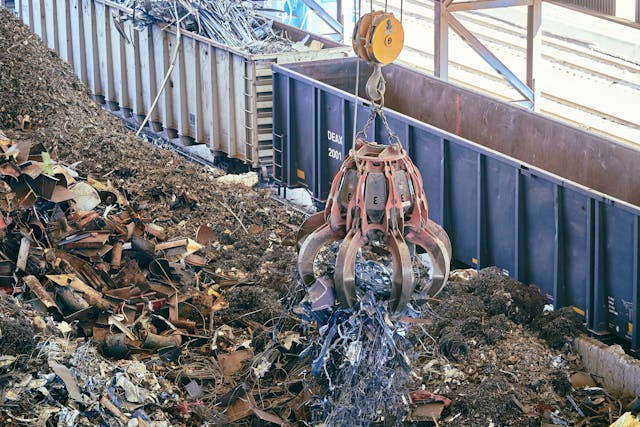
Scrap metal merchants play a key role in collecting, buying, and recycling unwanted metal from households, construction sites, and industries. Many people search for scrap metal merchants when they want to sell copper, steel, aluminium, or brass for instant cash but are unsure where to get the best price.
Beyond simple collection, these merchants operate as structured recyclers who assess the quality, purity, and weight of each metal type before assigning value. Copper wiring, for example, is typically stripped and graded for higher payouts, while mixed steel scrap is grouped and priced based on bulk weight and current market demand. Aluminium items like window frames or cans are sorted separately to avoid contamination, which can reduce overall pricing.
Scrap metal merchants also act as a bridge between individual sellers and large-scale recycling facilities. Once collected and sorted, the metals are processed and sent to smelters where they are melted down and reused in manufacturing. This reduces landfill waste and supports sustainable material recovery in construction, automotive, and industrial sectors.
What Are Scrap Metal Merchants?
Scrap metal merchants are licensed buyers who purchase recyclable metal waste and process it for reuse in manufacturing and construction supply chains. Their role is to convert discarded metal materials into reusable raw resources by sorting, grading, and preparing them for industrial recycling.
They generally handle a broad mix of materials including copper, aluminium, brass, stainless steel, and ferrous metals such as steel and iron. These materials are sourced from households, construction sites, automotive waste, and industrial operations.
Most scrap metal merchants operate through physical scrap yards, collection services, and large-scale industrial contracts. Once collected, the metal is weighed, assessed for purity and contamination, and then priced based on current market conditions before being sent for processing and recycling.
Scrap Metal Merchants Services
Scrap metal merchants provide a structured range of services designed to simplify the collection, valuation, and recycling of all types of metal waste. These services are tailored for households, construction companies, and industrial operators looking to convert unused or unwanted metal into instant cash while ensuring environmentally responsible recycling.
Scrap Metal Buying
Scrap metal merchants actively purchase a wide variety of ferrous and non-ferrous metals, with pricing based on type, condition, and market rates.
Household scrap
Includes everyday items such as old appliances, broken furniture frames, electrical wiring, pipes, and small metal fixtures. These materials are usually sorted into different metal categories to maximize value during assessment.
Industrial waste metal
Generated from manufacturing processes, fabrication workshops, and production lines. Common examples include offcuts, rejected components, and surplus raw materials such as steel, aluminium, and copper alloys.
Construction site scrap
Comprises structural steel, reinforcing bars, scaffolding materials, aluminium panels, and leftover building components. This category is often collected in bulk due to the high volume generated during demolition or development projects.
Scrap Metal Collection
Efficient logistics play a major role in modern scrap metal merchant services, especially for large-scale or commercial clients.
On-site pickup services
Merchants arrange direct collection from homes, factories, or construction sites. This service is typically used for heavy or high-volume scrap that cannot be easily transported by the seller.
Bin hire for bulk loads
Skip bins or scrap bins are provided for ongoing projects or industrial operations. These bins allow continuous disposal of metal waste, which is later collected once full.
Scheduled industrial collection
Regular pickup schedules are set for factories, workshops, and construction companies that generate consistent scrap output, ensuring uninterrupted site operations and efficient waste management.
Vehicle & Machinery Recycling
Scrap metal merchants also specialize in dismantling and recycling large metal assets, recovering valuable materials from complex equipment.
End-of-life vehicles
Old, damaged, or written-off vehicles are processed for metal recovery, including steel frames, aluminium parts, and copper wiring.
Engines and metal parts
Engines, transmissions, and heavy mechanical components are dismantled, with reusable metals extracted and separated for resale or recycling.
Heavy equipment dismantling
Industrial machinery, construction equipment, and agricultural tools are broken down into recyclable metal fractions using controlled dismantling processes.
Scrap Metal Merchants Prices Per KG
Scrap metal pricing varies significantly depending on global commodity markets, metal purity, and local demand conditions. Scrap metal merchants typically update rates frequently to reflect fluctuations in benchmark indices such as LME (London Metal Exchange) and regional supply chains.
Average Scrap Metal Rates
| Metal Type | Price Per KG (AUD) |
|---|---|
| Copper | $10 – $14 |
| Brass | $5 – $9 |
| Aluminium | $1 – $3 |
| Stainless Steel | $0.80 – $2 |
| Steel | $0.10 – $0.35 |
Copper remains the most valuable commonly traded scrap metal due to its high conductivity and strong industrial demand, especially in electrical and construction sectors. Brass follows closely, often used in plumbing fixtures and fittings, which retain good resale value when clean and uncontaminated.
Aluminium pricing stays moderate but stable, largely driven by demand from automotive and packaging industries. Stainless steel has a variable range depending on alloy grade and nickel content, while general steel scrap is priced lower due to its abundance and higher recycling processing costs.
How Scrap Metal Merchants Calculate Prices
Scrap metal merchants determine pricing using a structured valuation system that combines real-time commodity benchmarks with physical inspection of material quality. The final payout is not just based on weight, but also on purity, separation quality, and processing effort required before recycling.
Key Pricing Factors
Scrap metal merchants evaluate multiple cost and value drivers before offering a price per kilogram.
Metal type (ferrous vs non-ferrous)
Non-ferrous metals such as copper, brass, and aluminium generally attract higher prices due to their lower supply and higher industrial demand. Ferrous metals like steel are priced lower because of abundance and lower resale value.
Purity and contamination level
Clean, single-metal loads receive higher payouts. Contamination from plastics, rubber, paint, or mixed metals reduces value because it increases sorting and processing costs.
Weight and volume
Heavier, bulk loads often qualify for better rates due to economies of scale. Large volumes also reduce per-unit logistics costs for scrap metal merchants.
Global commodity pricing trends
Rates are influenced by international benchmarks such as LME pricing. Daily fluctuations in global markets directly impact local scrap metal buying prices.
Processing and transport costs
Costs associated with cutting, sorting, hauling, and melting are deducted from the final valuation. Remote pickups or heavily contaminated scrap may receive lower offers due to higher handling expenses.
High-Value Metals
Scrap metal merchants prioritize certain metals based on resale demand and industrial usage.
Copper (highest value)
Copper consistently delivers top returns due to its high conductivity and strong demand in electrical wiring, construction, and renewable energy systems.
Brass (high alloy value)
Brass retains strong pricing because it is widely used in plumbing fittings, valves, and industrial components with stable alloy composition.
Aluminium (moderate value)
Aluminium is lightweight and widely recycled in packaging, transport, and manufacturing sectors, offering consistent mid-range pricing.
Clean steel (bulk value)
While steel has lower per-kilogram value, it generates significant returns in large volumes, especially from construction and demolition projects where bulk supply is common.
Types of Scrap Metal Merchants
Scrap metal merchants operate in different service models depending on the scale of scrap collection, target clients, and logistics capabilities. Understanding these categories helps sellers choose the right buyer for better pricing, faster service, and more efficient metal disposal.
Local Scrap Yard Merchants
Local scrap yards are the most common entry point for individuals and small businesses looking to sell metal quickly.
Walk-in buyers
Customers bring scrap directly to the yard for weighing, grading, and instant valuation. This is typically used for household scrap, small renovations, or minor clean-ups.
Instant cash payments
Most local scrap metal merchants offer on-the-spot payments based on current market rates after inspection and weighing.
Small and medium loads
Best suited for limited quantities such as car parts, wiring, appliances, or leftover renovation materials.
Industrial Scrap Merchants
Industrial scrap merchants operate at a larger scale and work primarily with commercial and infrastructure projects.
Construction companies
They handle ongoing scrap generation from building sites, including steel beams, reinforcement bars, and structural waste.
Demolition contractors
Large volumes of mixed metal are recovered from demolition projects, often requiring advanced sorting and heavy machinery.
Large-scale contracts
These merchants typically operate on contractual agreements, providing scheduled pickups, pricing arrangements, and dedicated scrap management services for high-volume clients.
Mobile Scrap Merchants
Mobile scrap merchants provide flexible, location-based collection services designed for convenience and bulk handling.
On-site collection
They travel directly to homes, businesses, or industrial sites to evaluate and collect scrap metal, reducing transportation effort for sellers.
Bin drop-off services
Skip bins or scrap bins are delivered to sites for ongoing waste collection, especially useful for construction or manufacturing operations.
Bulk pickups
Designed for large quantities of scrap, ensuring efficient removal of heavy or accumulated metal waste with minimal disruption to operations.
How to Choose the Best Scrap Metal Merchants
Selecting the right scrap metal merchants directly impacts how much you earn from copper, steel, aluminium, and other recyclable metals. Since pricing and service quality vary widely, a structured evaluation helps ensure better payouts, fair weighing practices, and efficient collection especially for bulk or industrial scrap.
Compare Scrap Prices
Scrap pricing is not fixed and can vary significantly between buyers on the same day.
Prices vary between merchants daily
Rates fluctuate based on demand, export activity, and internal processing costs. One merchant may offer a higher copper rate while another may value aluminium more competitively.
Always check multiple buyers
Request quotes from at least 2–3 scrap metal merchants before selling. Even small differences per kilogram can result in large variations in total payout for bulk loads.
Check Licensing
Licensed scrap metal merchants provide greater transparency and accountability in transactions.
Licensed merchants ensure accurate weighing and fair pricing
Proper certification ensures calibrated weighing scales, regulated operations, and compliance with environmental recycling standards. This reduces the risk of underpayment or incorrect grading.
Prefer Bulk Payment Options
Selling in larger quantities often improves overall return per kilogram.
Higher loads = better per kg rates
Most scrap metal merchants offer tiered pricing structures where bulk sellers receive higher rates due to reduced handling and logistics costs. Consolidating scrap before selling can significantly improve profit margins.
Scrap Metal Merchants Process
Understanding how scrap metal merchants handle transactions helps sellers know exactly how value is calculated from collection to final payment. The entire workflow is designed to ensure accurate grading, transparent pricing, and efficient recycling of all metal types.
Step 1 – Collection or Drop-off
The process begins when scrap is either delivered to a scrap yard or collected from a site. Small sellers usually visit the yard directly, while industrial clients often use pickup services or bin hire solutions for bulk material.
Step 2 – Sorting by Metal Type
Once received, scrap metal merchants separate materials into categories such as copper, aluminium, steel, brass, and stainless steel. This step is critical because mixed loads reduce overall value and require additional processing.
Step 3 – Weighing on Industrial Scales
Each metal category is weighed using certified industrial scales. Accurate weight measurement ensures fair pricing and eliminates discrepancies between buyer and seller.
Step 4 – Pricing Based on Market Rates
After weighing, merchants apply current market-linked rates. Pricing is typically influenced by global commodity benchmarks, especially for high-demand metals like copper and brass. Clean, well-sorted scrap generally receives higher per-kg rates compared to contaminated or mixed loads.
Step 5 – Instant Payment
Once valuation is completed, payment is processed immediately in most cases. Scrap metal merchants typically offer cash, bank transfer, or electronic payment options depending on transaction size and business policy, ensuring quick settlement for both small and bulk sellers.
FAQs
What do scrap metal merchants do?
Scrap metal merchants collect, buy, sort, and recycle unwanted metal from households, construction sites, and industries. They assess materials based on type, weight, and cleanliness, then resell them into recycling and manufacturing supply chains. Their role supports metal recovery, waste reduction, and resource efficiency.
How much do scrap metal merchants pay?
Payments vary depending on metal type, purity, and market conditions. Copper typically receives the highest rate per kilogram, followed by brass and aluminium. Steel and iron are lower in price but often profitable in large volumes due to bulk availability and consistent demand in recycling markets.
Do scrap metal merchants collect scrap?
Yes, many scrap metal merchants provide collection services including on-site pickup, bin hire, and scheduled industrial removals. These services are especially useful for construction sites, factories, and large cleanouts where transporting heavy scrap is difficult or costly.
What metals do scrap metal merchants buy?
Most scrap metal merchants accept a wide range of recyclable metals including copper, brass, aluminium, stainless steel, iron, and steel. Some also purchase automotive parts, electrical wiring, appliances, and industrial offcuts depending on condition and volume.
How do I get better prices from scrap metal merchants?
To improve returns, separate metals by type, remove contaminants like plastic or rubber, and ensure materials are clean and dry. Comparing multiple scrap metal merchants before selling also helps secure better rates, especially for high-value metals like copper and brass.
Conclusion
Scrap metal merchants play an essential role in converting unwanted and unused metal into valuable resources while supporting large-scale recycling and sustainable material recovery. By understanding how pricing works and how metals are graded, sellers can significantly improve their returns on every transaction.
Metal type remains the biggest factor in determining value, with copper and brass consistently delivering the highest per-kilogram rates due to strong industrial demand. Aluminium and stainless steel offer moderate returns, while steel generates value mainly through bulk quantities.