

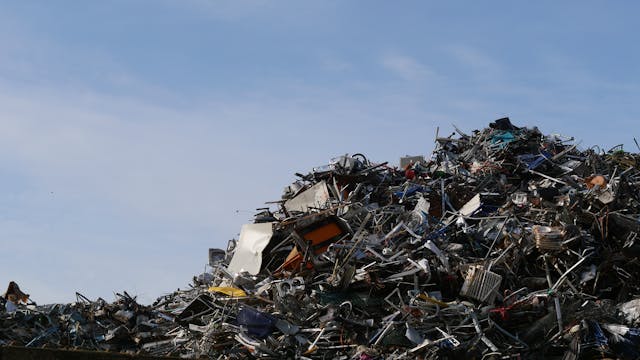
Confusion around “scrap metal only” is common because many sellers mix materials and end up losing value. Not all waste qualifies as scrap metal, and recycling centers strictly separate metals from non-metal contaminants like plastic, rubber, or wood. If you’re dealing with construction waste, old appliances, or industrial offcuts, knowing what counts as scrap metal only can significantly improve your payout.
This guide explains exactly what scrap metal only means, which materials are accepted, how pricing works, and how to prepare metal for sale. You’ll also learn how to identify high-value metals, avoid rejection at scrap yards, and improve your returns using proper sorting techniques.
What Does “Scrap Metal Only” Mean?
The term “scrap metal only” is used by recycling facilities and scrap yards to describe materials that are suitable for direct metal recovery without significant contamination or non-metal attachments. These materials must be primarily metallic in composition so they can be efficiently processed, melted, and reused in manufacturing. Any excess non-metal content can reduce quality, increase processing costs, or lead to rejection of the entire load.
Definition of Scrap Metal Only
“Scrap metal only” refers to materials that are 100% metal or predominantly metal-based, with minimal to no non-metal components attached. These materials are expected to be clean, identifiable, and ready for recycling processes such as shredding, melting, or smelting.
Recycling facilities prioritize metal purity because it ensures consistent output quality and reduces the need for additional sorting or separation during processing. Common examples include clean steel components, copper wire (preferably stripped), aluminum sheets, brass fittings, and stainless steel parts that are free from excessive contamination or mixed materials.
Why Scrap Yards Enforce “Metal Only” Rules
Scrap yards enforce strict “metal only” guidelines to maintain efficiency, safety, and pricing accuracy throughout the recycling process. When loads are properly sorted and free from contaminants, recycling operations can process materials faster and at lower cost.
One key reason is improved recycling efficiency. Clean metal streams allow facilities to directly channel materials into shredding and melting systems without extra separation steps. This reduces operational delays and increases throughput.
Another major factor is reduced processing costs. When non-metal materials such as plastic, wood, or rubber are present, additional labor and machinery are required to remove them, increasing operational expenses for recyclers.
Contamination control is also critical during smelting. Non-metal materials can negatively affect furnace performance and compromise the quality of recycled metal output. Ensuring clean input materials helps maintain consistent product standards.
Finally, strict sorting allows for accurate grading and pricing. Clean and well-defined metal types can be assessed correctly based on market value, while mixed or contaminated loads are typically downgraded.
What Gets Rejected
Scrap yards commonly reject or downgrade materials that contain excessive non-metal components or mixed waste streams. Items with plastic coatings, wooden attachments, or rubber insulation are often not accepted unless they are properly separated beforehand.
Plastic-coated metals are frequently rejected because coatings interfere with melting and require additional processing. Metal pieces attached to wood, such as furniture frames or construction debris, are also considered unsuitable unless the non-metal parts are removed.
Types of Scrap Metal Only Materials
Understanding what qualifies as scrap metal only materials helps ensure higher acceptance rates at scrap yards and better overall pricing. Most recycling facilities divide scrap metal into two main categories: ferrous and non-ferrous metals. Each category has different value levels, demand patterns, and processing requirements.
Ferrous Scrap Metal (Magnetic Metals)
Ferrous metals contain iron and are generally magnetic. While they are widely available and heavily used in construction and manufacturing, they typically have lower market value compared to non-ferrous metals due to higher supply and lower processing demand.
Common ferrous scrap metal only materials include steel beams removed from construction sites, iron pipes from plumbing systems, structural scrap from demolition projects, and old machinery frames from industrial equipment. These materials are usually accepted in bulk quantities and are valued based on weight rather than purity.
Non-Ferrous Scrap Metal (High Value)
Non-ferrous metals do not contain iron and are not magnetic, making them more valuable in recycling markets due to their resistance to corrosion and strong industrial demand. These materials are widely used in electrical systems, plumbing, automotive manufacturing, and construction.
Common non-ferrous scrap metal only materials include copper wiring used in electrical installations, aluminium sheets from construction and transport applications, brass fittings from plumbing systems, stainless steel from appliances and industrial equipment, and zinc or lead components from specialized industrial uses. These metals generally achieve higher prices when clean, sorted, and free from attachments.
Scrap Metal Value Comparison
| Metal Type | Common Sources | Value Level | Notes |
|---|---|---|---|
| Copper | Wiring, pipes | Very High | Clean copper pays best |
| Brass | Plumbing fixtures | High | Must be free of attachments |
| Aluminium | Frames, cans | Medium-High | Lightweight but recyclable |
| Stainless Steel | Appliances | Medium | Depends on grade |
| Steel/Iron | Construction waste | Low-Medium | Bulk volume required |
Scrap Metal Only Pricing Factors
Scrap metal only pricing is determined by several interconnected factors that influence how recycling facilities evaluate, process, and resell recovered metals. Even small differences in cleanliness, sorting quality, or global market conditions can significantly impact final payouts. Understanding these pricing drivers helps sellers maximize returns and avoid undervaluing recyclable materials.
Clean vs Contaminated Metal
One of the most important pricing factors is material cleanliness. Clean scrap metal consistently receives higher pricing because it can be processed directly without additional separation or cleaning steps.
Contaminated metal that contains plastic, rubber, wood, paint, or other non-metal attachments requires extra processing. This increases operational costs for recycling facilities, which usually results in lower purchase prices. In contrast, clean, pre-sorted metal improves efficiency and is rewarded with better rates in scrap markets.
Global Commodity Prices
Scrap metal pricing is heavily influenced by global commodity markets, especially benchmark indices such as the London Metal Exchange (LME). These global reference prices affect how much recyclers are willing to pay locally.
Industrial demand also plays a key role, particularly from sectors like construction, automotive manufacturing, and electronics. When manufacturing output increases, demand for recycled metals rises, which often pushes scrap prices higher. Conversely, during economic slowdowns, reduced industrial activity can lead to lower scrap valuations.
Weight and Density
Weight is a core pricing metric in scrap metal trading since materials are typically purchased per kilogram or per tonne. Heavier and more compact loads often result in better overall payout efficiency because they reduce transportation and handling costs per unit of metal.
Dense materials such as steel and iron are usually traded in bulk, while high-value non-ferrous metals like copper and brass generate higher returns even in smaller quantities due to their intrinsic market value. Efficient load preparation can therefore influence both logistics costs and net returns.
Sorting Accuracy
Accurate sorting is essential for achieving optimal scrap metal only pricing. Recycling facilities differentiate between ferrous and non-ferrous metals as well as between high-grade and low-grade materials.
Proper separation ensures that each metal type is priced according to its specific market value. Mixed or poorly sorted loads are often downgraded because they require additional processing before recycling. Clear separation of copper, aluminium, brass, stainless steel, steel, and iron allows recyclers to apply accurate grading and maximize material recovery value.
How to Prepare Scrap Metal Only for Sale
Proper preparation of scrap metal only materials is one of the most effective ways to increase resale value and ensure smooth acceptance at recycling facilities. Well-prepared metal reduces processing costs for buyers, improves grading accuracy, and minimizes the risk of load rejection. Whether dealing with household scrap, construction waste, or industrial offcuts, a structured preparation process directly improves payout outcomes.
Step 1 – Remove Non-Metal Attachments
The first step is removing all non-metal components that reduce purity and recycling efficiency. Scrap yards prefer clean metal because it can be processed immediately without additional separation work.
Common attachments that should be removed include plastic insulation found on electrical wiring, rubber fittings used in plumbing or machinery, and wood or concrete elements attached to structural metal pieces. Eliminating these materials improves classification as scrap metal only and increases acceptance rates.
Step 2 – Separate Metal Types
Different metals must be sorted into distinct categories before sale because each metal has its own market value and recycling process. Mixing metals often leads to downgraded pricing.
Copper should be separated from aluminium due to its significantly higher value and different processing requirements. Steel should also be kept apart from stainless steel since stainless steel contains alloying elements that affect pricing. Proper separation allows recyclers to apply accurate grading and ensures each material is valued correctly based on market conditions.
Step 3 – Clean the Scrap
Cleaning scrap metal improves its quality and helps avoid pricing deductions. While not all materials require intensive cleaning, removing visible contaminants increases overall value.
Oil, paint, dirt, and general debris should be removed where possible, especially from industrial or automotive scrap. Cleaner materials are easier to process, produce higher-quality recycled output, and are more likely to receive premium pricing from scrap buyers.
Step 4 – Store Properly
Correct storage is essential for maintaining scrap metal quality before sale. Exposure to moisture, contamination, or mixing with other materials can reduce value and complicate grading.
Metals should be kept dry to prevent rust and corrosion, particularly for steel and iron. It is also important to avoid mixing different metal categories during storage, as this can reduce sorting efficiency and lead to lower payouts at recycling facilities. Organized storage supports faster processing and better price negotiation outcomes.
Where to Sell Scrap Metal Only
Selling scrap metal only becomes significantly more efficient when working with verified buyers who understand metal grading, accept properly sorted loads, and offer competitive pricing based on current market conditions. Choosing the right outlet can directly impact payout value, especially for high-grade metals like copper, brass, and aluminium. Whether you are an individual collector or managing industrial volumes, selecting the right buyer type ensures smoother transactions and better returns.
For pricing comparisons, trading opportunities, and bulk scrap connections, you can explore platforms such as Scrap Trade, access regional services through Scrap Trade Australia, or connect with active buyers via Scrap Trade Now.
Scrap Yards and Recycling Centres
Local scrap yards and recycling centres are the most common destination for selling scrap metal only materials. These facilities handle both small and large volumes of metal waste and typically accept a wide range of ferrous and non-ferrous materials.
Local metal recyclers focus on sorting, grading, and processing incoming scrap based on purity and weight. Industrial scrap yards often deal with larger commercial loads from construction sites, warehouses, and manufacturing facilities. Commercial metal processors may also specialize in specific metals or high-volume recycling operations, offering structured pricing based on market benchmarks and material quality.
Bulk Scrap Buyers
Bulk scrap buyers are ideal for large-scale sellers who generate consistent volumes of metal waste. These buyers often operate within industrial sectors and offer more stable pricing for recurring supply.
Construction contractors frequently purchase or exchange scrap metal during demolition and redevelopment projects, where large quantities of structural steel and mixed metals are generated. Demolition companies also act as major intermediaries in scrap recovery, extracting valuable metals from dismantled structures. Manufacturing plants contribute to this ecosystem by recycling production offcuts, machinery parts, and metal waste generated during fabrication processes.
Scrap Metal Only for Businesses
Businesses generate significant volumes of scrap metal only materials through ongoing operations, equipment upgrades, construction activity, and manufacturing processes. When managed correctly, these metal waste streams can shift from a disposal cost into a measurable revenue source while also improving operational efficiency and environmental performance.
Industrial Scrap Generation
Industrial environments consistently produce large quantities of recyclable metal through daily operations and long-term asset use. These materials are often high in value when properly separated and kept free from contamination.
Manufacturing waste is one of the most common sources, including production offcuts, rejected components, and surplus raw metal materials. Machinery replacement parts also contribute heavily, particularly during equipment upgrades where old components are removed and replaced with newer systems. Construction activity generates additional scrap through structural fabrication, demolition work, and general site offcuts from steel, aluminium, and mixed metal installations.
Scheduled Scrap Collection Services
Many businesses rely on structured scrap metal collection systems to manage ongoing waste efficiently. These services are designed to handle high-volume industrial environments where scrap is continuously generated.
Regular pickup contracts ensure that scrap metal is collected on a scheduled basis, preventing accumulation on-site and improving workplace safety and efficiency. Recycling providers often supply dedicated bins, skips, and containers that allow businesses to segregate scrap at the source. These systems reduce handling time and ensure materials remain in “scrap metal only” condition before collection and processing.
Revenue Opportunities
Properly managed scrap metal systems create multiple financial and operational benefits for businesses. One of the most direct advantages is the ability to monetise waste metal streams that would otherwise be discarded as disposal material.
By selling clean and sorted scrap metal, businesses can generate additional revenue from manufacturing by-products, construction waste, and end-of-life machinery. At the same time, efficient recycling reduces overall waste disposal costs, particularly in industries with high metal usage.
Common Mistakes in Scrap Metal Only Selling
Selling scrap metal only materials can be highly profitable, but small handling and preparation errors often lead to reduced payouts or rejected loads. Most losses occur not because of low market prices, but due to poor sorting, contamination, and lack of awareness about recycling requirements.
Mixing Metals
One of the most common mistakes is mixing different metal types in the same load. When copper, aluminium, steel, and brass are combined, recycling facilities cannot accurately grade the material.
This reduces processing efficiency and often results in downgraded pricing. Clean separation of metals before sale ensures each material is valued correctly based on its market rate and improves overall payout.
Not Removing Contamination
Failing to remove non-metal attachments significantly reduces scrap value. Even small amounts of contamination can affect grading and processing efficiency.
Materials such as plastic insulation, rubber seals, paint layers, adhesives, and wood attachments should be removed wherever possible. Contaminated loads require additional processing, which typically leads to lower offers from scrap yards or rejection in strict “scrap metal only” intake systems.
Selling Without Checking Market Rates
Scrap metal prices fluctuate frequently due to global commodity markets, especially changes in industrial demand and benchmark pricing systems. Selling without checking current rates can result in missed profit opportunities.
Copper, aluminum, and brass prices can vary daily, so timing plays an important role in maximizing returns. Sellers who monitor market trends are better positioned to negotiate stronger pricing for their materials.
Poor Storage Practices
Improper storage is another major issue that reduces scrap metal value over time. Exposure to moisture leads to rust, especially in steel and iron, which lowers grade and resale value.
Mixing materials during storage can also create contamination issues that affect classification at the scrap yard. Keeping metals dry, organized, and separated by type helps maintain quality and ensures better pricing when selling scrap metal only materials.
FAQs
What does scrap metal only mean?
It refers to recyclable materials that are strictly metal or properly separated metal types, without contamination from plastic, wood, rubber, or general waste. Scrap yards require clean metal streams so the material can be efficiently graded, processed, and reused in manufacturing and smelting operations.
What is the most valuable scrap metal only material?
Copper is generally the most valuable scrap metal due to its high demand in electrical wiring, construction, and industrial applications. Clean copper, especially stripped wire or pipe, typically receives the highest payouts compared to aluminium, brass, or steel.
Can mixed materials be sold as scrap metal only?
No. Mixed loads are usually downgraded or rejected because they require additional sorting and reduce processing efficiency. Scrap yards prefer pre-sorted metals, and contamination with non-metal materials significantly lowers value or results in refusal of the load.
How do I increase scrap metal prices?
Higher scrap returns come from proper sorting, removing all non-metal attachments, and keeping materials clean and dry. Selling in bulk quantities can also improve pricing, as larger loads are more efficient for recyclers to process and transport.
Where can I sell scrap metal only materials?
Scrap metal can be sold to local scrap yards, industrial recycling centers, and commercial metal buyers. Online platforms such as Scrap Trade also help connect sellers with verified buyers, improving access to competitive pricing and broader market opportunities.
Conclusion
Scrap metal only recycling depends heavily on material quality, correct sorting, and overall purity. When metals are clean, properly separated, and free from contamination, they are easier to process and consistently achieve better market value. Poorly prepared or mixed loads, on the other hand, often result in downgraded pricing or rejection at recycling facilities.
Whether you are an individual collector or managing commercial or industrial waste streams, separating ferrous and non-ferrous metals is essential for maximizing returns. Careful preparation not only improves pricing outcomes but also ensures smoother handling and faster processing at scrap yards.
To consistently improve profitability, it is important to compare buyers, track market conditions, and work with reliable recycling partners before dispatching your scrap metal.
For better pricing and access to verified buyers, you can get a scrap metal quote, book a pickup service, or compare live scrap prices through trusted recycling platforms such as Scrap Trade.