

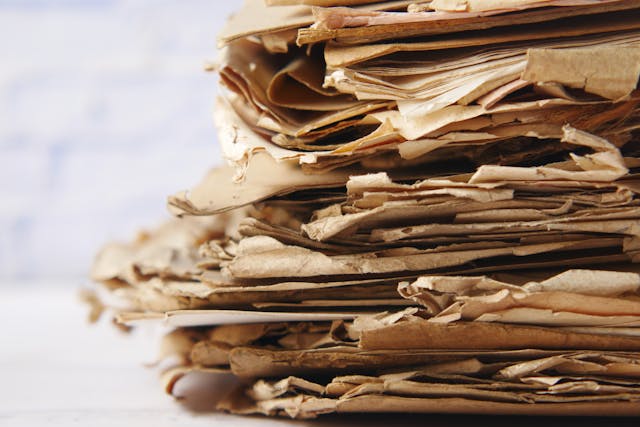
Businesses, offices, retailers, schools, and households generate massive amounts of paper waste every day. From cardboard packaging and newspapers to office documents and old magazines, large volumes of recyclable paper are often discarded without proper recycling or recovery. As global demand for sustainable recycling solutions continues to grow, scrap paper has become an important recyclable commodity in both local and international recycling markets.
Many people do not realize that scrap paper holds real recycling and resale value when it is properly sorted and processed. However, common problems such as mixing paper grades, contamination from food or moisture, low recycling awareness, and poor scrap handling practices often reduce recycling efficiency and lower the value of recyclable paper materials.
Understanding how scrap paper recycling works can help individuals and businesses reduce waste disposal costs, improve sustainability efforts, and generate additional revenue from recyclable materials. Proper sorting and collection also support the circular economy by allowing paper products to be reused in the manufacturing of new packaging, cartons, tissues, and industrial paper products.
In this guide, you will learn about the different types of scrap paper, how the scrap paper collection and recycling process works, the key factors that affect scrap paper prices, and the commercial opportunities available in the paper recycling industry. Whether you are managing household waste, operating a warehouse, or running an industrial facility, understanding scrap paper recycling can help you maximize value while reducing environmental impact.
What Is Scrap Paper?
Scrap paper refers to waste paper materials that are collected, sorted, and processed for recycling and reuse instead of being discarded into landfills. It includes a wide range of recyclable paper products generated by households, businesses, commercial facilities, and industrial operations. As demand for sustainable recycling continues to increase, scrap paper has become an important raw material in the global recycling and packaging industry.
Paper recycling helps recover valuable fiber materials that can be reused to manufacture new paper products, cartons, packaging materials, tissues, and industrial paper supplies. Proper scrap paper collection also helps businesses reduce waste disposal costs while supporting environmental sustainability initiatives.
Definition of Scrap Paper
Scrap paper is any used, discarded, or surplus paper material that can be recycled and converted into new paper-based products. These materials are collected through residential recycling programs, commercial waste management systems, industrial recycling facilities, and paper recovery operations.
Common types of scrap paper include:
- Office paper
- Cardboard boxes
- Newspapers
- Magazines
- Paper cartons
- Packaging materials
- Paperboard
- Printed paper waste
Depending on quality and cleanliness, scrap paper is usually sorted into different paper grades before recycling.
Why Scrap Paper Recycling Matters
Scrap paper recycling plays a major role in waste reduction, environmental protection, and sustainable manufacturing. Recycling paper products reduces the need for virgin raw materials and helps industries lower production costs and energy consumption.
Reduces Landfill Waste
Large amounts of paper waste are discarded every day from homes, offices, retail stores, and industrial facilities. Recycling scrap paper helps divert these materials away from landfills and reduces pressure on waste management systems.
This improves overall waste handling efficiency while lowering environmental pollution.
Conserves Natural Resources
Paper recycling helps conserve valuable natural resources by reducing the need for new timber and raw fiber production. Recycled paper manufacturing typically requires fewer resources than producing paper from virgin wood pulp.
Benefits include:
- Reduced deforestation
- Lower water consumption
- Reduced energy usage
- Lower greenhouse gas emissions
Supports Sustainable Manufacturing
Recycled scrap paper is widely used in the production of:
- Packaging materials
- Tissue paper
- Cardboard products
- Industrial paper supplies
- Paperboard cartons
Using recycled fiber helps manufacturers improve sustainability and reduce environmental impact across supply chains.
Creates Commercial Recycling Value
Scrap paper also has commercial value in recycling markets. Businesses generating large amounts of cardboard, packaging waste, and office paper can often sell recyclable materials to recycling companies and paper mills.
Industries with high paper waste volumes may significantly reduce disposal costs while generating additional recycling revenue.
Common Sources of Scrap Paper
Scrap paper is generated across many industries and commercial sectors. Some businesses produce large quantities of recyclable paper daily through packaging, printing, shipping, and administrative activities.
Offices
Corporate offices generate recyclable paper from:
- Printed documents
- Shredded paper
- Office files
- Copy paper
- Paper packaging
Offices with organized recycling systems can recover large amounts of reusable paper fiber.
Warehouses
Warehouses are major sources of cardboard and packaging waste due to shipping and logistics operations.
Common warehouse scrap paper includes:
- Corrugated cardboard
- Shipping cartons
- Packing paper
- Product packaging materials
Retail Stores
Retail businesses frequently discard recyclable paper through:
- Product packaging
- Display materials
- Promotional paper
- Inventory cartons
- Shopping boxes
Retail recycling programs help reduce operational waste while improving sustainability efforts.
Printing Companies
Printing and publishing businesses generate high volumes of paper offcuts, damaged prints, newspapers, magazines, and excess production materials.
Clean paper waste from printing operations often has strong recycling value.
Schools
Schools and educational institutions produce recyclable paper from:
- Notebooks
- Worksheets
- Office paper
- Printed educational materials
- Cardboard packaging
Organized recycling programs can significantly reduce paper waste in educational facilities.
Packaging Industries
Packaging manufacturers and distribution centers create large quantities of recyclable paper materials during production and shipping operations.
These often include:
- Corrugated cardboard
- Paperboard
- Kraft paper
- Packaging rolls
- Carton waste
Types of Scrap Paper
Understanding the different types of scrap paper is essential for effective paper recycling and maximizing recycling value. Scrap paper is categorized into multiple grades based on quality, fiber strength, cleanliness, and recyclability. Proper sorting helps recycling facilities process materials more efficiently and usually improves resale pricing for commercial paper waste.
Some paper grades have significantly higher demand due to their strong recyclable fiber content and widespread industrial use in packaging and manufacturing.
Old Corrugated Containers (OCC)
Old Corrugated Containers (OCC) are one of the most valuable and widely recycled categories of scrap paper. OCC mainly consists of corrugated cardboard used in shipping, storage, and packaging operations.
Common OCC sources include:
Cardboard Boxes
Used cardboard boxes from warehouses, retailers, supermarkets, and households are among the largest sources of recyclable paper.
Shipping Cartons
Shipping and logistics companies generate large quantities of corrugated cartons used for transportation and inventory management.
E-commerce Packaging
The growth of online shopping has significantly increased the volume of recyclable e-commerce packaging materials, making OCC one of the highest-demand paper recycling categories globally.
Because OCC contains durable fiber materials, it is heavily used in the production of recycled cardboard and packaging products.
Mixed Paper
Mixed paper includes lower-grade recyclable paper materials collected from homes, offices, and commercial waste streams. These papers are typically combined during collection and sorted later during recycling.
Common mixed paper materials include:
Magazines
Glossy magazines contain recyclable fiber but may require additional processing due to coatings and inks.
Catalogues
Retail catalogues and promotional materials are common sources of mixed paper recycling.
Junk Mail
Advertising mail, brochures, flyers, and promotional leaflets contribute significantly to household paper waste.
Printed Paper
General printed paper from offices and commercial businesses is often included in mixed paper recycling programs.
Although mixed paper usually has lower resale value than OCC or white office paper, it still plays an important role in large-scale recycling systems.
Office Paper
Office paper is considered a higher-grade recyclable paper category because it often contains cleaner and stronger fiber materials.
Common office paper scrap includes:
White Paper
White office paper typically has high recycling demand due to its quality and reusable fiber content.
Printer Paper
Copy paper, printing sheets, and office documents are widely collected for recycling.
Stationery Waste
Unused forms, envelopes, folders, and administrative paper waste also contribute to recyclable office paper volumes.
Businesses generating large amounts of office paper can often establish dedicated recycling collection programs to improve waste management efficiency.
Newspaper and Magazine Scrap
Newspaper and magazine recycling remains an important segment of the paper recycling industry, especially in municipalities and publishing sectors.
Old Newspapers (ONP)
ONP refers to recyclable newspaper waste collected from households, offices, and distribution centers.
Recycled newspaper fiber is commonly reused in:
Tissue products
Insulation materials
Packaging paper
Recycled newsprint
Old Magazines (OMG)
Old magazines are recycled separately in some facilities because glossy coatings and printing inks require specialized processing.
Publishing companies and media distributors often generate high volumes of recyclable magazine waste.
Paperboard and Packaging Waste
Paperboard and industrial packaging materials are widely recycled because of their strong fiber composition and commercial demand.
Cartons
Food cartons, beverage containers, and retail packaging materials are common recyclable paperboard products.
Tissue Packaging
Packaging used for tissues, hygiene products, and consumer goods contributes to paperboard recycling streams.
Industrial Paper Scrap
Manufacturing facilities and packaging industries generate large quantities of industrial paper waste such as:
Kraft paper
Paper rolls
Corrugated offcuts
Industrial wrapping materials
Industrial paper scrap is often recycled into new packaging and paperboard products.
Scrap Paper Recycling Demand by Type
| Scrap Paper Type | Common Source | Recycling Demand |
|---|---|---|
| OCC Cardboard | Shipping boxes | Very High |
| Office Paper | Businesses | High |
| Newspaper | Media waste | Medium |
| Mixed Paper | Households | Medium |
| Paperboard | Packaging | High |
How Scrap Paper Recycling Works
Scrap paper recycling follows a structured process that transforms waste paper into reusable raw material for new paper-based products. The recycling cycle helps reduce landfill waste, conserve natural resources, and support sustainable manufacturing industries. From residential recycling bins to large commercial waste collection systems, scrap paper passes through several stages before it is converted into usable recycled products.
Step 1 – Collection
The recycling process begins with the collection of scrap paper from homes, offices, warehouses, schools, retail stores, and industrial facilities. Recycling companies and waste management providers gather paper waste through local recycling programs, scheduled pickups, and commercial collection services.
Businesses that generate large amounts of cardboard, office paper, and packaging waste often use bulk commercial recycling services. These services help companies manage high paper waste volumes more efficiently while reducing disposal costs and improving sustainability performance. Commercial collection programs are commonly used by warehouses, logistics companies, retail chains, and manufacturing facilities that produce continuous streams of recyclable paper materials.
Step 2 – Sorting
After collection, scrap paper is transported to recycling facilities where it is sorted according to paper grade, fiber quality, and material condition. Proper sorting is critical because different paper categories require different recycling processes.
High-grade paper such as clean office paper is separated from lower-grade mixed paper, newspapers, and cardboard materials. During this stage, recycling facilities also remove contaminants that may affect recycling quality. Materials such as plastic, tape, food residue, metal staples, wax coatings, and moisture-damaged paper are separated to improve processing efficiency and maintain fiber quality.
Clean and properly sorted scrap paper generally has stronger recycling value and produces better-quality recycled products.
Step 3 – Baling
Once sorted, scrap paper is compressed into dense bundles known as bales. Industrial baling equipment compacts large quantities of paper into manageable units that are easier to transport and store.
Baling reduces transportation costs by allowing recycling companies to move large volumes of scrap paper more efficiently. Compact paper bundles also simplify handling throughout the recycling supply chain before materials are sent to paper mills for further processing.
Large recycling operations may process thousands of tonnes of baled cardboard, office paper, and mixed paper every month.
Step 4 – Pulping and Cleaning
At paper recycling mills, baled scrap paper is mixed with water and specialized chemicals to break the material down into reusable fibers. This process creates a pulp mixture that forms the foundation for manufacturing recycled paper products.
During pulping, the paper fibers are separated through mechanical agitation and chemical treatment. Once the fibers are fully processed, cleaning systems remove ink, adhesives, dirt, plastic particles, and other contaminants from the pulp.
Advanced de-inking and filtration systems improve the quality of recycled fiber and allow manufacturers to produce cleaner and stronger recycled paper products. The quality of the original scrap paper significantly affects the final recycled material quality.
Step 5 – Manufacturing New Products
After cleaning and refining, the recycled pulp is processed into new paper-based materials used across multiple industries. Recycled scrap paper is widely used in sustainable manufacturing because it reduces reliance on virgin wood pulp and lowers environmental impact.
One of the most common recycled products is corrugated cardboard used for shipping cartons, industrial packaging, and e-commerce boxes. Recycled fibers are also used in tissue paper production for paper towels, napkins, and hygiene products.
Packaging manufacturers rely heavily on recycled paper pulp to produce paperboard, kraft paper, cartons, and protective packaging materials used throughout retail, logistics, and industrial sectors.
As demand for sustainable packaging and eco-friendly manufacturing continues to rise, scrap paper recycling remains an essential part of the global circular economy.
Scrap Paper Prices and Market Demand
Scrap paper prices are influenced by several market conditions, including paper quality, recycling demand, global packaging consumption, and supply chain activity. As industries continue shifting toward sustainable packaging and recycled materials, demand for recyclable paper products has increased significantly across domestic and international markets.
Businesses that properly sort and manage scrap paper often receive better pricing because recycling facilities prioritize clean and high-quality recyclable fiber. Market demand can also fluctuate depending on export activity, manufacturing production, and changes in global packaging consumption.
Factors Affecting Scrap Paper Prices
Several important factors determine the value of scrap paper in recycling markets. The quality and condition of recyclable paper directly affect how easily it can be processed into new products.
Paper Grade Quality
Different paper grades carry different recycling values. High-grade paper products such as clean office paper and OCC cardboard generally receive stronger pricing because they contain better-quality recyclable fibers.
Lower-grade mixed paper typically has lower resale value because it requires additional sorting and processing before recycling.
Moisture Levels
Moisture is one of the biggest issues affecting scrap paper pricing. Wet paper loses fiber quality, increases transportation weight, and can become unsuitable for recycling if severely damaged.
Recycling facilities usually prefer dry and properly stored paper materials because they are easier to process and maintain stronger recycling value.
Contamination
Contaminated scrap paper often receives reduced pricing or may even be rejected entirely by recycling plants.
Common contaminants include:
- Food residue
- Plastic materials
- Wax coatings
- Adhesive tape
- Oil and chemical stains
- Mixed waste
Clean and separated paper materials improve recycling efficiency and increase market value.
Global Packaging Demand
The global packaging industry has a major influence on scrap paper prices. Demand for recycled cardboard and paperboard rises when manufacturing, retail, shipping, and e-commerce activity increase.
Packaging manufacturers rely heavily on recycled paper fiber to produce:
- Shipping boxes
- Corrugated cartons
- Retail packaging
- Industrial packaging materials
As demand for sustainable packaging grows, recyclable paper continues to hold strong commercial value.
Why Cardboard Scrap Has High Demand
Cardboard scrap, particularly Old Corrugated Containers (OCC), is one of the most valuable and widely traded categories in the paper recycling industry.
E-commerce Growth
The rapid growth of online shopping has dramatically increased the use of cardboard packaging worldwide. Every shipment requires cartons, protective paper packaging, and corrugated materials, creating continuous demand for recycled cardboard fiber.
Large e-commerce operations generate massive volumes of recyclable cardboard that support recycling supply chains globally.
Packaging Industry Demand
Packaging manufacturers heavily depend on recycled cardboard to produce new corrugated boxes and packaging products. Recycled OCC provides strong and reusable fiber that is ideal for industrial and commercial packaging applications.
Because of this ongoing demand, cardboard scrap often maintains stronger pricing compared to lower-grade mixed paper products.
Commercial Scrap Paper Buyers
Several industries and businesses actively purchase recyclable scrap paper materials for processing and manufacturing purposes.
Recycling Plants
Paper recycling facilities purchase large volumes of scrap paper to process into reusable pulp and recycled fiber materials.
These facilities typically buy:
- OCC cardboard
- Office paper
- Mixed paper
- Newspaper scrap
- Paperboard materials
Packaging Manufacturers
Packaging companies use recycled paper fiber to manufacture:
- Corrugated boxes
- Cartons
- Kraft paper
- Retail packaging
- Protective packaging products
The increasing focus on eco-friendly packaging continues to drive demand from this sector.
Export Recyclers
International recycling exporters purchase bulk scrap paper for shipment to overseas paper mills and manufacturing facilities. Export demand can significantly influence local scrap paper prices depending on global market conditions and shipping activity.
Market Trends in Scrap Paper Recycling
The scrap paper recycling industry continues to evolve as governments, manufacturers, and businesses invest more heavily in sustainability and circular economy initiatives.
Increased Demand for Recycled Packaging
Many global brands and packaging companies are reducing reliance on virgin materials and increasing the use of recycled paper products. Sustainable packaging regulations and consumer demand for eco-friendly products are accelerating this transition.
Industries such as retail, logistics, food packaging, and e-commerce are driving large-scale demand for recycled cardboard and paperboard materials.
Growing Industrial Recycling Initiatives
Commercial businesses are implementing larger recycling programs to reduce operational waste and improve environmental performance. Warehouses, manufacturing plants, retail chains, and logistics companies are increasingly partnering with recycling providers to manage recyclable paper waste more efficiently.
This growth in industrial recycling activity continues to strengthen demand across the scrap paper recycling market.
Businesses and recyclers looking to trade recyclable paper materials globally can explore Scrap Trade. Australian suppliers and recycling companies can also access local recycling opportunities through Scrap Trade Australia
Industries That Generate Large Amounts of Scrap Paper
Large volumes of scrap paper are generated daily across multiple commercial and industrial sectors. These industries rely heavily on packaging, documentation, shipping, and printed materials, all of which contribute to continuous paper waste streams. Understanding where scrap paper originates helps recycling businesses and collectors target high-volume sources and improve collection efficiency.
Warehousing and Logistics
Warehousing and logistics operations are among the largest producers of scrap paper due to constant movement of goods, packaging, and distribution activities. Every incoming and outgoing shipment generates recyclable paper waste that accumulates quickly in storage and handling environments.
Carton Waste
Cardboard cartons used for shipping, storage, and inventory handling form the largest portion of scrap paper in warehouse environments. These cartons are often discarded after a single use, especially in fast-moving supply chains.
Shipping Material
Warehouses also generate significant amounts of protective packaging materials such as wrapping paper, corrugated inserts, and protective cartons used during transportation and storage. These materials are frequently recycled due to their high corrugated fiber content.
Retail and Supermarkets
Retail stores and supermarkets produce continuous paper waste through product packaging, customer purchases, and promotional campaigns. High product turnover leads to a constant flow of recyclable paper materials.
Packaging Disposal
Retail businesses regularly dispose of cardboard boxes, product packaging, and delivery cartons after stock replenishment. These materials are often collected in bulk recycling systems due to their high volume.
Promotional Paper Waste
Marketing campaigns and in-store promotions generate additional scrap paper waste such as posters, flyers, brochures, and printed advertising materials. Although these are lower-grade materials, they still contribute significantly to mixed paper recycling streams.
Printing and Publishing
The printing and publishing industry is a major contributor to scrap paper generation due to large-scale production processes and distribution of printed materials.
Offcuts
Printing processes produce paper offcuts, trimming waste, and unused sheets during production runs. These materials are often clean and suitable for recycling, especially when free from contamination.
Unsold Newspapers
Newspaper distributors and publishers frequently return or dispose of unsold copies, which become part of newspaper recycling streams. These materials are widely processed into recycled newsprint and tissue products.
Magazine Waste
Publishing houses and distributors generate waste from outdated or excess magazines. Although magazines may contain coated or glossy paper, they are still recyclable through specialized processing systems.
Manufacturing Plants
Manufacturing facilities generate scrap paper through packaging operations, product protection systems, and material handling processes. Industrial operations often rely on paper-based packaging for shipping and storage, resulting in continuous recyclable waste streams.
Industrial Paper Packaging
Factories frequently use cardboard, kraft paper, and paperboard materials for packaging finished goods. Damaged or excess packaging is commonly collected as recyclable scrap paper.
Product Wrapping
Manufacturing plants also generate waste from protective wrapping materials used to secure products during storage and transportation. These materials often include recyclable kraft paper and corrugated inserts.
Industrial recycling systems are essential in these environments because they help manage large-scale paper waste efficiently while reducing disposal costs and supporting sustainability goals.
Best Practices for Scrap Paper Collection
Efficient scrap paper collection is essential for maximizing recycling value, improving processing quality, and reducing operational costs. Whether collected from households, commercial facilities, or industrial sites, properly handled scrap paper consistently achieves better resale prices and higher recycling efficiency. Poor handling, contamination, or mixing different grades can significantly reduce the value of recyclable paper materials.
Keep Paper Dry
Moisture is one of the most damaging factors in scrap paper recycling. Wet paper loses fiber strength, becomes harder to process, and may even be rejected by recycling facilities.
Keeping scrap paper dry helps maintain its quality and ensures higher recycling value. Paper stored in damp conditions can develop mold, weaken fiber structure, and increase transportation weight, all of which reduce its commercial worth in recycling markets.
Separate Paper Grades
Proper separation of paper types is one of the most effective ways to increase scrap paper value. Different paper grades have different recycling processes and pricing structures, so mixing them reduces overall quality and lowers payouts.
High-grade materials such as clean office paper and corrugated cardboard generally achieve better pricing than mixed paper or contaminated waste. Keeping categories separate allows recycling facilities to process materials more efficiently and improves overall resale returns.
Remove Contaminants
Contaminants significantly reduce the recyclability and market value of scrap paper. Removing unwanted materials before collection helps improve processing efficiency and ensures higher-quality recycled output.
Common contaminants include plastic tape used in packaging, food residue from retail and household waste, and metal components such as staples or paper clips. Eliminating these materials as early as possible helps maintain fiber purity and increases acceptance rates at recycling facilities.
Use Proper Storage and Baling
Proper storage and baling techniques improve the efficiency of scrap paper collection and transportation. Organized storage reduces clutter in warehouses, workplaces, and collection sites while making handling more streamlined.
Baling compresses paper into dense, manageable units that are easier to transport, stack, and store. This reduces logistics costs and minimizes handling time during loading and unloading processes. Efficient storage systems also help maintain paper quality by protecting materials from moisture, dirt, and contamination.
Business Opportunities in Scrap Paper Recycling
Scrap paper recycling is not only an environmental practice but also a strong commercial sector with multiple revenue streams. Businesses involved in collection, trading, and exporting scrap paper can benefit from growing global demand for recycled fiber, especially from packaging and manufacturing industries. As sustainability regulations tighten and packaging consumption increases, scrap paper has become a consistent and scalable business opportunity.
Commercial Collection Services
Commercial scrap paper collection is one of the most stable business models in the recycling industry. It focuses on collecting large volumes of paper waste from businesses, industrial sites, and institutions on a recurring basis.
Scheduled Pickup Contracts
Many recycling operators offer scheduled pickup agreements with offices, warehouses, retail chains, and manufacturing plants. These contracts ensure a continuous supply of scrap paper while helping businesses manage waste efficiently and reduce disposal costs. Regular collection schedules also improve material quality because paper is handled consistently and does not accumulate contamination over time.
Industrial Recycling Solutions
Industrial facilities often require customized recycling systems due to high-volume paper waste generation. These solutions may include on-site bins, compactors, and dedicated sorting systems. Such setups streamline waste management and allow companies to recycle large quantities of cardboard, packaging waste, and office paper with minimal disruption to operations.
Scrap Paper Trading
Scrap paper trading involves purchasing recyclable paper materials in bulk and reselling them to recycling mills, processors, or exporters. This model focuses on price differences between collection points and end buyers, creating profit opportunities based on volume and market timing.
Traders typically work with materials such as old corrugated containers, office paper, and mixed paper grades. Success in scrap paper trading depends on sourcing clean, well-sorted material at competitive prices and maintaining strong relationships with recycling facilities and manufacturers.
Export Opportunities
The global demand for recycled paper fiber continues to grow, creating strong export opportunities for scrap paper suppliers and traders. Many countries with high manufacturing activity import recycled paper to support packaging, cardboard production, and industrial paper goods.
International buyers often prefer bulk shipments of sorted scrap paper, particularly corrugated cardboard and office paper, due to their high fiber quality and recyclability. Export markets are influenced by global packaging demand, shipping costs, and regional recycling capacity, making it a dynamic and scalable opportunity for businesses operating in the recycling sector.
Common Challenges in Scrap Paper Recycling
Scrap paper recycling offers strong environmental and commercial benefits, but it also comes with several operational challenges that can impact efficiency, pricing, and overall profitability. These challenges are mainly related to material quality, market conditions, logistics, and infrastructure limitations across different regions.
Paper Contamination
One of the most significant issues in scrap paper recycling is contamination. When recyclable paper is mixed with unwanted materials, it reduces fiber quality and can make entire batches less valuable or unsuitable for recycling.
Food Residue
Paper contaminated with food waste becomes difficult to process because organic residues can damage recycling equipment and degrade fiber quality. This is common in fast-food packaging, retail waste, and household mixed paper streams.
Plastic Coatings
Many modern packaging materials contain plastic layers or laminates that are not easily separable during standard recycling processes. These coatings reduce recyclability and often require specialized treatment.
Adhesives
Glue, tape, and labeling adhesives can interfere with pulping and de-inking systems. Excessive adhesive contamination lowers the quality of recycled pulp and increases processing costs.
Price Volatility
Scrap paper prices are highly sensitive to global market conditions. Changes in demand from packaging industries, shifts in export markets, and fluctuations in manufacturing activity can all impact pricing.
When global demand for recycled fiber rises, scrap paper prices tend to increase. However, during periods of reduced industrial activity or oversupply, prices can fall quickly. This volatility makes timing an important factor for sellers and recycling businesses.
Transport and Storage Costs
Scrap paper is a bulky but low-density material, which makes transportation and storage less efficient compared to heavier scrap materials like metal.
Because paper takes up significant physical space relative to its weight, logistics costs can become a major operational expense. Efficient compaction, baling, and storage systems are essential to reduce transportation frequency and improve cost efficiency in large-scale recycling operations.
FAQs
What is considered scrap paper?
Scrap paper refers to any recyclable paper waste that can be collected and processed into new paper products. This includes materials such as cardboard, office paper, newspapers, magazines, cartons, and packaging waste generated from homes, offices, warehouses, and industrial operations. When properly sorted and free from heavy contamination, scrap paper becomes a valuable raw material for recycling industries.
Which scrap paper has the highest value?
Old corrugated cardboard (OCC) and clean white office paper typically have the highest recycling value. These materials contain strong, high-quality fibers that are easy to process and widely used in packaging and manufacturing. Clean, dry, and well-sorted paper consistently achieves better pricing compared to mixed or contaminated paper grades.
Can wet paper be recycled?
Wet paper can technically be recycled, but it significantly reduces quality and processing efficiency. Moisture weakens paper fibers and increases the risk of contamination such as mold and degradation. Because of this, recycling facilities often prefer dry scrap paper, as it produces stronger and higher-quality recycled fiber.
How is scrap paper recycled?
Scrap paper recycling involves a structured process where paper is collected from various sources, sorted by grade, and compressed into bales for transport. It is then pulped using water and mechanical processes, followed by cleaning and de-inking to remove impurities. The cleaned pulp is finally used to manufacture new products such as cardboard, packaging materials, and tissue paper.
Who buys scrap paper?
Scrap paper is purchased by recycling facilities, paper mills, packaging manufacturers, and scrap trading companies. These buyers process recyclable paper into new products or export it as raw material for international manufacturing markets. Demand is particularly strong from packaging and e-commerce industries that rely heavily on recycled fiber materials.
Conclusion
Scrap paper recycling continues to grow as global demand for sustainable packaging, circular economy practices, and cost-efficient raw materials increases across industries. From cardboard and office paper to newspapers and packaging waste, recyclable paper plays a critical role in reducing environmental impact while supporting large-scale manufacturing systems.
Proper sorting, clean storage, and contamination control significantly improve scrap paper value. Businesses that separate paper grades correctly and maintain dry, well-managed storage conditions consistently achieve better recycling returns and more efficient collection processes.
For companies and individuals, scrap paper is no longer just waste it is a recoverable asset that can reduce disposal costs and generate additional revenue when handled correctly. Industries that produce high volumes of paper waste can especially benefit from structured recycling systems and long-term collection partnerships.
Digital recycling platforms are also making it easier to connect buyers, sellers, and recyclers in real time. These systems streamline scrap paper trading, improve market access, and help businesses secure better pricing with less operational friction.