

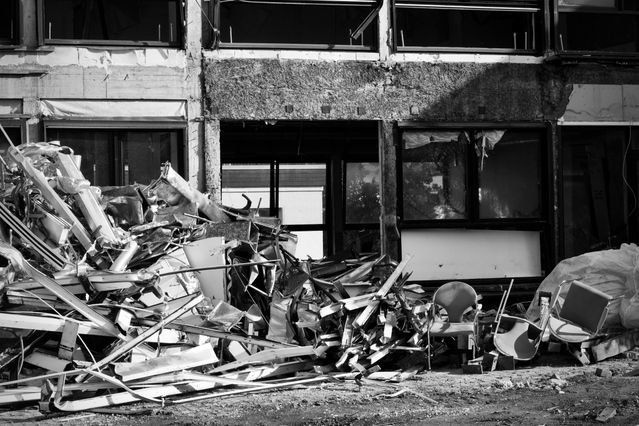
Understanding scrap steel price Australia 2026 is essential for demolition companies, manufacturers, farmers, and recyclers who regularly deal with steel waste and want to maximise resale value. Steel is one of the most traded scrap materials in Australia, but its pricing is not fixed and can change quickly based on global iron ore markets, demand from the construction sector, and the quality of the scrap itself. Many sellers lose value simply by not understanding steel grades and contamination levels.
This guide explains the latest scrap steel prices per kg and per tonne in Australia, breaks down key categories such as HMS (Heavy Melting Steel), structural steel, and plate steel, and shows how prices vary across major states including Perth, Sydney, Melbourne, and Adelaide. It also outlines practical strategies to increase returns by sorting steel correctly and using trusted platforms like ScrapTrade to access more competitive buyers.
Current Scrap Steel Price in Australia (2026 Overview)
Scrap steel prices in Australia remain highly dependent on grade quality, contamination levels, export demand, and global steel market conditions. Because steel is traded in bulk, even small differences in classification (HMS, structural, or mixed scrap) can significantly impact per-tonne returns.
Average Scrap Steel Price Per Kg & Per Tonne
| Steel Type | Price Per Kg (AUD) | Price Per Tonne (AUD) |
|---|---|---|
| Mixed Steel | $0.10 – $0.20/kg | $100 – $200/tonne |
| Light Gauge Steel | $0.15 – $0.25/kg | $150 – $250/tonne |
| Structural Steel | $0.20 – $0.35/kg | $200 – $350/tonne |
| HMS 1 (Heavy Melting Steel) | $0.45 – $0.52/kg | $450 – $520/tonne |
| HMS 2 (Mixed Heavy Steel) | $0.38 – $0.46/kg | $380 – $460/tonne |
Prices fluctuate based on global steel demand cycles, export contracts (especially Asian markets), and competition among Australian scrap yards and recyclers.
Types of Scrap Steel in Australia
Scrap steel in Australia is categorised based on thickness, purity, and source. These classifications directly impact pricing, with cleaner and heavier grades generally attracting better returns in the scrap market.
HMS (Heavy Melting Steel)
HMS is one of the most valuable ferrous scrap categories due to its density and low contamination.
It includes thick industrial steel from demolition sites, shipbreaking operations, and heavy machinery. Because it requires minimal processing compared to mixed scrap, it is in strong demand from steel manufacturers and exporters.
Structural Steel
Structural steel comes from construction materials such as beams, girders, and columns.
It is commonly generated from building demolition and infrastructure upgrades. Its value depends heavily on cleanliness and whether it contains coatings, concrete, or other attached materials.
Plate Steel
Plate steel consists of thick flat sheets used in industrial fabrication and heavy engineering.
When clean and properly sorted, plate steel can achieve strong pricing because it is easy to recycle and widely used in manufacturing processes.
Mixed Steel Scrap
Mixed steel scrap includes a combination of household items, light demolition waste, and general ferrous materials.
What Affects Scrap Steel Prices in Australia?
Scrap steel prices in Australia are influenced by a combination of global market conditions and local processing factors. Because steel is heavily traded in bulk, small differences in quality, grade, or logistics can significantly impact the final price per tonne.
Key Pricing Factors
Several core variables determine how much scrap steel is worth at any given time.
Global steel market trends (EAF demand) play a major role, especially demand from electric arc furnace (EAF) steel production and export markets. When global construction activity increases, scrap steel prices in Australia typically rise.
Steel grade and density also directly affect pricing. Heavier, higher-grade steel such as HMS is more valuable than light gauge or mixed scrap because it yields more usable metal after processing.
Contamination levels such as paint, concrete, rubber, or plastic attachments reduce value since they increase processing costs and reduce recycling efficiency.
Quantity of scrap can influence pricing, with larger volumes often receiving better rates due to economies of scale in transport and processing.
Transport and logistics costs also affect net returns, especially for remote or regional sellers where hauling costs are higher.
Why Heavy Steel Gets Better Prices
Heavy steel grades consistently achieve stronger pricing due to their efficiency in recycling systems.
They are easier to melt in electric arc furnaces, which reduces energy consumption during processing. They also provide higher metal recovery efficiency, meaning more usable steel is produced per tonne. Additionally, lower processing costs per tonne make heavy steel more attractive to buyers, resulting in better offers for sellers who can supply clean, dense material.
Scrap Steel Price by Type (HMS, Structural & Plate)
Scrap steel pricing in Australia varies significantly depending on the type of steel being sold. Heavier and cleaner grades generally achieve better returns because they are more efficient for steel mills to process and recycle.
HMS Scrap Price Australia
HMS (Heavy Melting Steel) is one of the most valuable steel scrap categories in Australia.
HMS 1 represents the highest grade, consisting of clean, thick steel with minimal contamination, making it highly preferred by steel mills. HMS 2 includes slightly mixed or contaminated heavy steel but still maintains strong demand in recycling feedstock markets. Both grades are widely used in electric arc furnace (EAF) steel production due to their high melting efficiency and consistent quality.
Structural Steel Price
Structural steel includes materials such as beams, channels, and columns commonly used in construction and infrastructure projects.
It typically trades slightly below HMS 1 due to potential coatings, fixings, or minor contamination. However, when properly cleaned and sorted, structural steel can still achieve competitive pricing in the Australian scrap market.
Plate Steel Scrap Value
Plate steel consists of thick steel sheets used in heavy fabrication, machinery, and industrial manufacturing.
It is in steady demand because of its density and ease of recycling when clean. Well-sorted plate steel is particularly valuable in industrial recycling operations, where consistent feedstock quality is important for production efficiency.
Scrap Steel Prices by Region in Australia
Scrap steel prices in Australia vary by region due to differences in industrial demand, export access, transport costs, and local competition among recyclers. While global steel markets set the baseline, regional factors often determine the final price per tonne.
Perth Scrap Steel Price
Perth benefits from strong demand driven by mining, construction, and infrastructure projects.
This creates steady competition among scrap buyers, helping maintain relatively strong pricing for both HMS and structural steel. Bulk, well-sorted loads typically achieve better rates due to lower handling costs and consistent supply needs.
Sydney & Melbourne Steel Rates
Sydney and Melbourne are the largest industrial scrap hubs in Australia, generating high volumes of steel waste from construction, manufacturing, and demolition activity.
Prices in these cities are closely linked to export markets, particularly demand from Asian steel mills. High competition among buyers often results in more stable pricing, especially for HMS and clean structural steel grades.
Adelaide Scrap Steel Value
Adelaide has a smaller but stable scrap steel market compared to other major cities.
While overall volume is lower, sellers can still achieve strong pricing particularly for bulk, well-sorted loads of structural steel or HMS. Clean separation and consistent supply tend to improve returns in this market.
How to Get the Best Scrap Steel Price Per Tonne in Australia
Maximising your scrap steel price per tonne depends on how well you prepare, sort, and sell your material. Because steel is a bulk commodity, small improvements in grading and logistics can significantly impact final returns.
Proven Strategies
Getting better pricing for scrap steel requires focusing on quality, volume, and market timing.
Separate HMS 1, HMS 2, and structural steel
Correct classification ensures accurate grading. HMS 1 typically achieves the highest price per tonne, while mixed or misclassified steel often gets downgraded.
Remove contaminants (rubber, concrete, plastic)
Clean steel reduces processing costs for buyers, which directly improves the price you are offered per tonne.
Sell in bulk loads (higher negotiating power)
Larger volumes are more attractive to recyclers and steel mills because they reduce transport and handling costs, often leading to better negotiated rates.
Track market trends before selling
Steel prices fluctuate based on global demand, export activity, and construction cycles. Selling during stronger market conditions can significantly improve returns.
Compare multiple scrap buyers
Different recyclers offer different rates depending on demand and capacity, so comparing offers helps ensure you secure the most competitive scrap steel price available.
Selling Scrap Steel Online in Australia
Selling scrap steel online in Australia has become a more efficient and profitable alternative to traditional scrap yards. Digital platforms improve pricing transparency and make it easier for sellers to access competitive offers from multiple buyers.
Selling steel online helps you:
- Access better scrap steel price transparency across different grades and regions
- Compare buyer offers instantly instead of relying on a single quote
- Improve overall payout per tonne through competitive bidding and wider market access
By using online scrap trading platforms such as ScrapTrade Australia, sellers can better understand steel grades like HMS, structural steel, and mixed scrap, while also reducing price uncertainty and improving overall returns in the Australian scrap metal market.
FAQs
1. What is the scrap steel price in Australia per tonne in 2026?
Scrap steel prices in Australia generally range from around $100 to $520 per tonne, depending on grade and quality. Mixed steel sits at the lower end of the scale, while HMS 1 typically achieves the highest value due to its density and low contamination levels.
2. What is HMS scrap steel?
HMS (Heavy Melting Steel) refers to thick, heavy-grade steel commonly sourced from demolition, construction, and industrial machinery. It is highly valued in recycling markets because it is easy to process and widely used as feedstock in steel manufacturing.
3. Why does scrap steel price change so often?
Scrap steel prices fluctuate due to global steel demand, export activity, energy costs, and supply levels in local markets. Variations in scrap quality and competition among buyers also influence short-term price movements.
4. What type of scrap steel gets the highest price?
HMS 1 and clean structural steel typically receive the highest prices. These grades require minimal processing, offer higher metal recovery rates, and are preferred by steel mills for efficient recycling.
5. Can businesses sell large volumes of scrap steel in Australia?
Yes, businesses such as demolition contractors, manufacturers, and farmers can sell bulk scrap steel through scrap yards or online marketplaces. Large volumes often attract better pricing and improved logistics support from buyers.
Conclusion
The scrap steel price in Australia 2026 is primarily determined by grade quality, cleanliness, and overall market demand. Higher-value materials such as HMS and structural steel consistently deliver stronger returns, while mixed steel typically receives lower pricing due to higher processing requirements.
By properly sorting steel, removing contaminants, and selling through competitive marketplaces, sellers can significantly improve profitability and achieve better per-tonne returns in the Australian scrap metal market.