

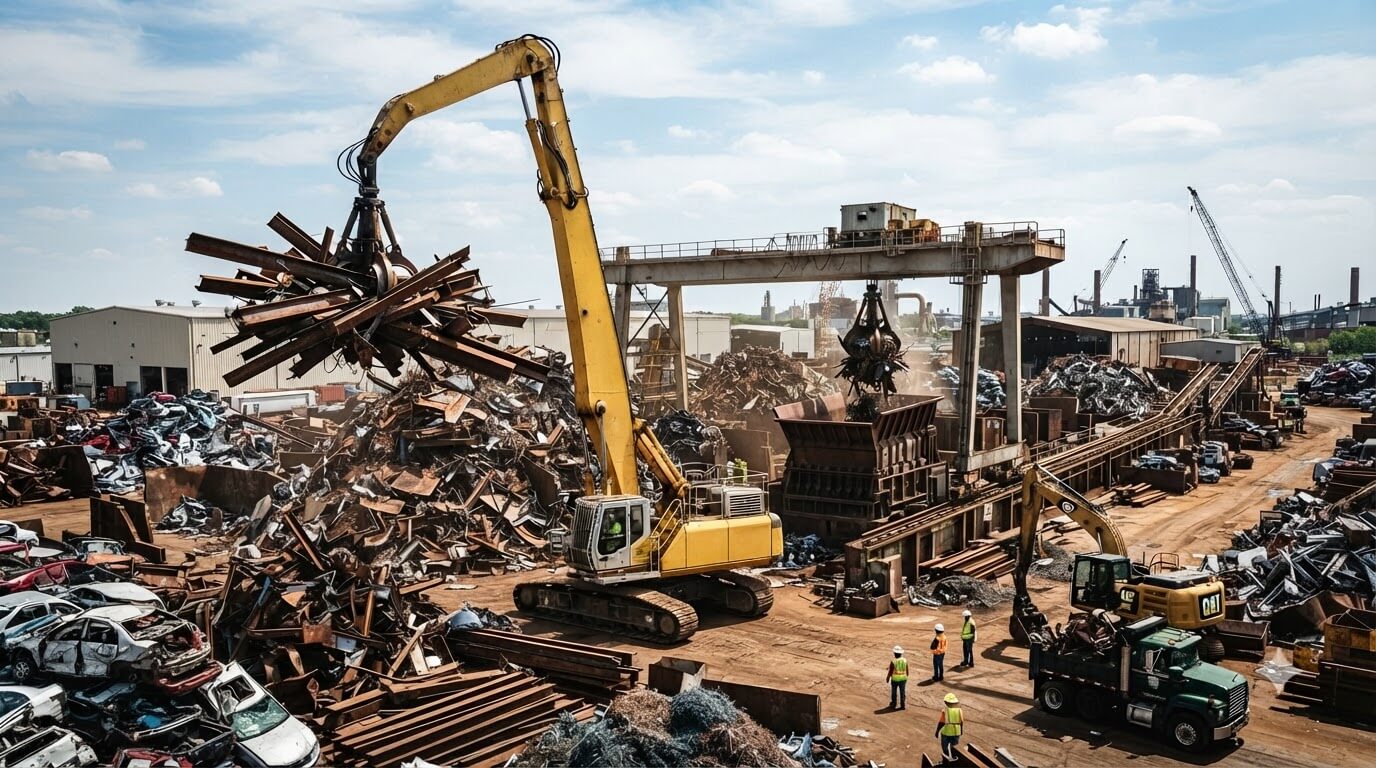
Businesses generate scrap waste every day through manufacturing, construction, warehousing, automotive operations, maintenance, and commercial activities. Metal offcuts, damaged equipment, obsolete inventory, packaging, cables, and other materials can quickly accumulate if they are not managed properly. Uncontrolled scrap can occupy valuable storage space, create workplace safety concerns, and increase waste handling and disposal costs.
Instead of treating recyclable materials as ordinary waste, businesses can manage them as recoverable resources with potential resale and recycling value. Scrap waste management provides a structured approach to identifying, sorting, storing, collecting, processing, recycling, and selling scrap materials. A well-organized system can help businesses reduce waste, improve operational efficiency, and recover more value from recyclable materials. This guide covers scrap management systems, recycling and collection processes, pricing factors, and practical best practices for effective business scrap management.
What Is Scrap Waste Management?
Scrap waste management is the organized process of identifying, separating, storing, collecting, recycling, and selling materials generated from business operations. Instead of treating all discarded materials as general waste, businesses can identify recyclable scrap and manage it as a potential resource with financial and environmental value.
Understanding Scrap Waste Management
Scrap waste can include steel, copper, aluminium, brass, machinery parts, cables, electronic components, plastics, cardboard, and production offcuts. General waste, on the other hand, may include materials that cannot be economically recycled or recovered.
A structured scrap management process helps businesses keep recyclable materials separate from general waste, improve material recovery, reduce unnecessary disposal, and create better opportunities to sell valuable scrap to suitable buyers.
Why Businesses Need a Scrap Management System
A dedicated scrap management system helps businesses control how scrap is generated, stored, collected, processed, and sold.
- Reduce Waste: Separating recyclable materials can prevent valuable scrap from entering general waste streams.
- Improve Storage: Organized collection areas help prevent scrap from accumulating throughout warehouses, factories, and workspaces.
- Recover Material Value: Properly sorted metals and other recyclables can be sold to recyclers, commercial buyers, or B2B trading partners.
- Control Disposal Costs: Better segregation can reduce the volume of general waste requiring disposal and potentially lower associated costs.
- Improve Sustainability: Recycling recovered materials supports resource conservation, reduces landfill waste, and can contribute to broader environmental and sustainability objectives.
Types of Scrap Waste Generated by Businesses
Businesses generate different types of scrap depending on their industry, production processes, equipment, and daily operations. Identifying and separating these materials can make scrap waste management more efficient and help businesses recover value from recyclable resources.
Ferrous Metal Scrap
Ferrous scrap contains iron and is commonly generated by manufacturing, construction, automotive, and industrial businesses. Common examples include:
Steel: Sheets, beams, structural components, fabrication offcuts, and equipment.
Iron: Castings, pipes, machinery components, and industrial parts.
HMS: Heavy melting steel from construction, demolition, machinery, and industrial operations.
Cast iron: Engine parts, machine components, pipes, and other cast products.
Separating ferrous metals from other materials allows businesses to store and sell them more efficiently.
Non-Ferrous Metal Scrap
Non-ferrous metals generally have strong recycling demand and can provide significant recovery value. Common business scrap includes:
Copper: Cables, wiring, pipes, motors, and electrical components.
Aluminium: Sheets, profiles, vehicle parts, equipment, and manufacturing offcuts.
Brass: Valves, fittings, plumbing components, and industrial hardware.
Stainless steel: Equipment, fabrication scrap, machinery, and fixtures.
Zinc: Die-cast components, industrial parts, and manufacturing scrap.
Keeping different non-ferrous metals separated can help buyers assess material quality and pricing more accurately.
Industrial Scrap
Industrial operations can generate large quantities of scrap through manufacturing, maintenance, equipment replacement, and production activities. This can include machinery parts, metal offcuts, production waste, factory equipment, obsolete components, and fabrication remnants.
Businesses can improve recovery by separating reusable equipment from material intended specifically for recycling.
Electronic Scrap
Electronic and electrical operations can produce cables, motors, circuit boards, electrical equipment, computers, and other components. Some electronic scrap contains recoverable metals and materials, but certain items may require specialized handling and recycling processes.
Commercial and Packaging Scrap
Retailers, warehouses, manufacturers, and distribution businesses can generate significant quantities of cardboard, plastic, metal packaging, pallets, strapping, and other recyclable materials.
How Scrap Waste Management Works
An effective scrap waste management process helps businesses control material waste from the point it is generated through collection, recycling, and resale. A structured approach can reduce contamination, improve workplace organization, and increase the amount of value recovered from recyclable materials.
Step 1: Identify and Audit Scrap
Start by reviewing the types of scrap generated across the business. Identify different waste streams, material types, and approximate quantities. Regular audits can show which materials are generated most frequently and where improvements are needed.
Step 2: Sort Scrap at the Source
Separate materials as soon as they are generated. Keep ferrous and non-ferrous metals apart and separate different grades where practical. Removing contamination such as plastic, dirt, or mixed materials can make processing easier and help preserve scrap value.
Step 3: Store Scrap Safely
Create dedicated areas for recyclable scrap using suitable containers, bins, cages, or storage zones. Clearly label each material category and keep scrap away from active inventory and hazardous areas. Heavy, sharp, or bulky materials should be stored securely to reduce handling risks.
Step 4: Arrange Scrap Collection
Determine a collection schedule based on scrap volume and available storage capacity. Businesses may use weekly or monthly scheduled collection, on-demand pickup, or bulk scrap removal for larger loads. Collection arrangements should clearly define pickup timing, loading responsibilities, and transportation requirements.
Step 5: Recycle and Process Scrap
Collected materials are sorted and prepared for recovery. Depending on the material, processing can include cutting, shredding, baling, compacting, melting, and refining. These processes prepare recyclable materials for use as secondary raw materials in manufacturing.
Step 6: Sell or Reuse Recovered Materials
After processing or sorting, businesses can sell suitable materials to local recycling companies, commercial scrap buyers, online scrap marketplaces, or industrial buyers. Some recovered materials may also be reused internally when practical.
Benefits of Effective Scrap Waste Management
An effective scrap waste management system helps businesses turn unmanaged waste into an organized resource. By identifying, sorting, storing, collecting, and recycling materials properly, companies can reduce unnecessary costs while recovering value from recyclable scrap.
Reduce Waste Disposal Costs
Properly separating recyclable materials from general waste can reduce the volume sent to landfill or conventional disposal services. Businesses may lower handling and disposal expenses by directing metals, cardboard, plastics, and other recyclable materials to appropriate recycling channels.
Recover Revenue From Scrap
Many business waste streams contain materials with resale value. Copper, aluminium, brass, steel, stainless steel, machinery, and other recyclables can be sold to suitable buyers. Proper sorting and accurate inventory records can help businesses identify valuable materials and compare available offers.
Improve Warehouse and Factory Space
Accumulated scrap can take up valuable floor and storage space. Regular collection and organized storage help businesses keep production areas, warehouses, and loading zones clear, allowing available space to be used more efficiently for inventory and operations.
Increase Workplace Safety
Unmanaged scrap can create trip hazards, sharp edges, unstable piles, blocked access routes, and other workplace risks. Dedicated storage areas, clear labeling, and scheduled removal can create a cleaner and safer working environment.
Reduce Environmental Impact
Recycling scrap reduces the amount of material sent to disposal facilities and allows recovered resources to re-enter manufacturing supply chains. Recycling metals can also reduce the need for extracting and processing additional virgin raw materials.
Improve Operational Efficiency
A structured scrap management process makes it easier to track what materials are generated, where they are stored, how much is available, and when collection is required. Better visibility can simplify inventory management, collection scheduling, and buyer coordination.
Support Sustainability and Circular Economy Goals
Effective scrap management supports the circular economy by keeping useful materials in circulation for longer. Businesses can demonstrate more responsible resource management by reducing waste, increasing recycling, and recovering materials for reuse in manufacturing.
Scrap Waste Management for Different Industries
Different industries generate different types and volumes of scrap, so an effective scrap waste management strategy should match the materials, workflow, storage capacity, and collection requirements of each business.
Manufacturing
Manufacturing businesses can generate metal offcuts, production rejects, machining turnings, steel, aluminium, copper, brass, and obsolete components. Separating scrap at production points and tracking quantities can improve material recovery. Regular collection also helps prevent scrap from interfering with production areas.
Construction and Demolition
Construction and demolition projects can produce large quantities of steel, copper wiring, aluminium, pipes, structural metal, fixtures, and other recyclable materials. On-site segregation can reduce contamination and make it easier to separate valuable metals from general construction waste.
Automotive
Automotive businesses generate scrap from vehicle servicing, manufacturing, repairs, dismantling, and equipment replacement. Common materials include vehicle components, steel, aluminium, copper, cables, batteries, and machinery parts. Proper segregation and appropriate handling are important because some automotive materials require specialized recycling processes.
Warehousing and Logistics
Warehouses and distribution centers can accumulate damaged racks, metal shelving, pallets, packaging materials, steel strapping, obsolete inventory, and broken handling equipment. Dedicated scrap collection zones and scheduled pickups can help free storage space and prevent recyclable materials from becoming mixed with general waste.
Engineering and Fabrication
Engineering and fabrication businesses commonly produce steel, stainless steel, aluminium, copper, brass, machining turnings, sheet metal, and fabrication offcuts. Separating materials by metal type and grade can improve recycling efficiency and make it easier to obtain accurate buyer offers.
Retail and Commercial Businesses
Retail stores, offices, workshops, and commercial facilities may generate cardboard, plastic packaging, metal fixtures, shelving, electrical equipment, cables, and obsolete assets. A structured recycling process can reduce disposal volumes while helping businesses recover value from suitable recyclable materials.
For businesses across these industries, digital marketplaces such as ScrapTrade can provide another channel for connecting with potential scrap buyers and managing B2B scrap-selling opportunities.
How to Maximize the Value of Scrap Waste
Businesses can often improve their scrap returns by treating recyclable materials as a managed resource rather than general waste. Proper preparation, accurate inventory tracking, and access to multiple buyers can make the selling process more efficient.
Separate Materials by Grade
Separate ferrous and non-ferrous metals and keep different grades apart where practical. For example, copper, aluminium, brass, stainless steel, and steel should be stored separately. Grade-specific sorting helps buyers assess the material more accurately and can prevent lower-value mixed-scrap pricing.
Keep Scrap Clean and Contamination-Free
Remove unnecessary contamination such as plastic, dirt, packaging, and other unwanted materials where possible. Clean scrap is generally easier to process and may receive more competitive offers. Avoid mixing materials that require different recycling processes.
Track Current Scrap Prices
Monitor current market conditions before selling significant quantities. Scrap values can change based on metal type, grade, demand, commodity markets, location, and transportation costs. Keeping basic price records can help businesses identify favorable selling opportunities.
Sell Larger Quantities When Practical
Consolidating scrap into larger loads can attract commercial and industrial buyers and may reduce transportation costs per unit. However, businesses should avoid storing scrap unsafely just to increase volume. Collection schedules should balance storage capacity, safety, and market opportunities.
Compare Multiple Buyers
Request offers from several potential buyers instead of accepting the first quotation. Compare the price, deductions, pickup costs, weighing procedures, payment terms, and delivery arrangements to determine the overall value of each offer.
Use Online Scrap Trading Platforms
Online scrap trading platforms can expand access to potential buyers beyond traditional local networks. Businesses can list material details, upload photos, specify quantities, receive buyer interest, and explore B2B trading opportunities.
Technology in Scrap Waste Management
Technology is making scrap waste management more organized, measurable, and efficient. Digital tools can help businesses track inventory, monitor prices, improve material identification, automate sorting, and connect recyclable materials with potential buyers.
Digital Scrap Inventory Systems
Digital inventory systems allow businesses to record scrap type, grade, quantity, storage location, and collection history in one place. Instead of relying on spreadsheets or manual records, teams can track how much scrap is generated and identify when materials are ready for collection or sale.
Real-Time Scrap Price Tracking
Digital price-monitoring tools can help businesses follow changes in scrap and metal markets. Tracking prices for materials such as copper, aluminium, brass, and steel can help sellers decide when to request offers and buyers evaluate procurement costs.
Automated Material Sorting
Modern recycling facilities can use automated sorting equipment to separate materials based on characteristics such as magnetic properties, size, density, and material composition. Automation can increase processing speed and reduce the amount of manual sorting required.
AI-Powered Scrap Classification
Artificial intelligence and computer vision can help identify and classify different scrap materials from images or sensor data. AI-based systems may assist with recognizing metal types, grades, objects, and contamination, helping improve sorting accuracy and material recovery.
Common Scrap Waste Management Challenges
Effective scrap waste management can be challenging when businesses generate different materials across multiple locations or production areas. Without clear processes, scrap can become contaminated, difficult to store, expensive to transport, or harder to sell at competitive prices.
Mixed and Contaminated Scrap
Mixing different metals, plastics, packaging, and general waste can reduce the quality and value of recyclable materials. Contamination may also increase processing requirements. Businesses can address this by using clearly labeled containers and separating materials at the point where scrap is generated.
Fluctuating Scrap Prices
Scrap prices can change based on metal markets, supply and demand, material grade, location, and broader economic conditions. A price available today may not remain the same later. Monitoring market conditions and comparing multiple buyer offers can help businesses make more informed selling decisions.
Limited Storage Space
Factories, warehouses, and commercial facilities may not have enough space to store accumulated scrap safely. Large scrap piles can interfere with operations and create safety concerns. Scheduled or on-demand collection can help prevent excessive accumulation and keep valuable space available for core business activities.
Transportation Costs
Scrap can be heavy and bulky, making transportation a significant part of the overall transaction cost. Long-distance pickup, loading, containers, freight, and fuel expenses can affect the final return. Consolidating suitable quantities and planning efficient collection schedules can help control these costs.
Finding Reliable Scrap Buyers
Businesses may struggle to find buyers who offer suitable prices, understand specific material grades, and provide dependable collection and payment arrangements. Using established commercial networks or online B2B marketplaces can give sellers access to a broader range of potential buyers.
Employee Sorting Errors
Incorrect sorting can lead to mixed grades, contamination, inaccurate inventory records, and lower-value loads. Regular employee training, clear signage, standardized sorting procedures, and dedicated collection containers can reduce errors and improve the consistency of recovered materials.
FAQs
What is scrap waste management?
Scrap waste management is the organized process of identifying, sorting, storing, collecting, recycling, and selling recyclable materials generated by a business. A structured system helps companies reduce disposal costs, improve workplace organization, recover material value, and manage scrap more efficiently.
What types of scrap can businesses recycle?
Businesses can recycle many materials, including steel, iron, copper, aluminium, brass, stainless steel, zinc, machinery parts, cables, electronic components, cardboard, plastics, and packaging materials. The recyclable materials depend on the business's operations and the recycling capabilities available in its area.
How can businesses reduce scrap waste?
Businesses can reduce scrap waste by improving production efficiency, separating recyclable materials at the source, reusing suitable materials, preventing contamination, tracking scrap generation, and arranging regular collection. Employee training and clear sorting procedures can also help reduce unnecessary waste and improve material recovery.
How can scrap waste generate revenue?
Businesses can generate revenue by identifying valuable recyclable materials and selling them to scrap dealers, recyclers, commercial buyers, manufacturers, or online B2B marketplaces. Proper sorting, accurate weighing, monitoring market prices, and comparing multiple buyer offers can help businesses maximize the potential value of their scrap.
Conclusion
Effective scrap waste management helps businesses move beyond simply disposing of unwanted materials and instead treat recyclable scrap as a potential resource. Proper identification, sorting, storage, collection, and recycling can help companies recover valuable materials such as copper, aluminium, brass, steel, machinery, and other recyclables.
A structured scrap management process can also reduce waste disposal costs, storage pressure, contamination, and workplace safety risks. Tracking scrap quantities and market conditions allows businesses to understand their waste streams and make better decisions about when and where to sell recovered materials.