
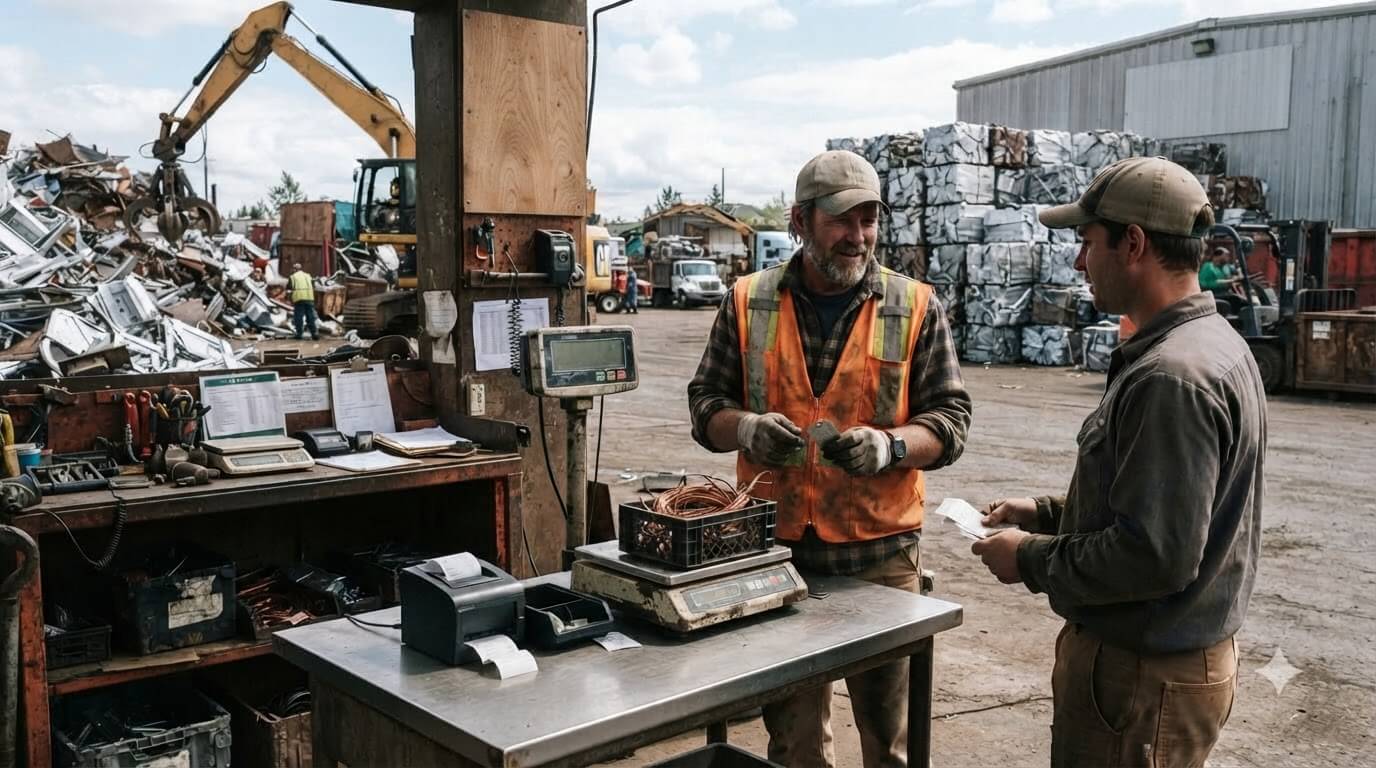
Individuals and businesses often accumulate unwanted metal from home cleanouts, construction projects, manufacturing, warehouses, vehicle repairs, and commercial operations. Finding a reliable scrap yard buyer can be challenging, especially when sellers want a fair price for their materials. Scrap yards typically assess scrap based on its metal type, grade, weight, purity, and overall condition before making an offer. Preparing materials properly, separating different metals, checking current market prices, and comparing buyer offers can help sellers improve their returns.
What Is a Scrap Yard Buyer?
A scrap yard buyer is a business or recycling operation that purchases recyclable materials from individuals, contractors, and commercial businesses. Scrap yard buyers assess materials based on type, grade, weight, condition, and market demand before purchasing them for further processing or resale.
How Scrap Yard Buyers Work
Scrap yard buyers typically purchase metals and other recyclable materials and prepare them for the next stage of the recycling supply chain.
- Purchase recyclable materials such as copper, aluminium, brass, steel, iron, and other scrap.
- Sort and grade materials according to metal type, quality, and composition.
- Process scrap through methods such as cutting, shredding, baling, or other material recovery processes.
- Resell recovered metals to recyclers, processors, manufacturers, and industrial buyers.
The price offered can vary depending on the material, quantity, purity, contamination, and current market conditions.
Who Sells Scrap to Scrap Yard Buyers?
Scrap yard buyers serve a wide range of sellers who regularly generate recyclable materials.
- Homeowners selling unwanted appliances, metal items, or renovation scrap
- Contractors with construction and demolition materials
- Plumbers with copper pipes, brass fittings, and other plumbing scrap
- Electricians with copper wire, cables, and electrical components
- Auto businesses with vehicle parts and automotive scrap
- Manufacturers with production offcuts and industrial metal waste
- Warehouses with damaged equipment, racking, and obsolete inventory
- Construction companies with structural steel, aluminium, copper, and other project scrap
What Do Scrap Yard Buyers Purchase?
Scrap yard buyers purchase different types of recyclable materials from homeowners, contractors, automotive businesses, manufacturers, warehouses, and industrial companies. The value depends on material type, grade, weight, condition, contamination, and current market demand.
Ferrous Scrap
Ferrous scrap includes iron-based materials commonly generated from construction, manufacturing, demolition, and industrial activities. Common examples include steel, iron, cast iron, and structural steel. These materials are generally sorted by type and quality before being processed and sold to metal recyclers or manufacturers.
Non-Ferrous Scrap
Non-ferrous scrap includes materials such as copper, aluminium, brass, stainless steel, zinc, and lead. These metals are widely used in electrical systems, plumbing, construction, manufacturing, and industrial equipment. Clean and properly separated non-ferrous scrap can often attract stronger offers than mixed materials.
Automotive Scrap
Scrap yard buyers may purchase old vehicles, engines, wheels, car parts, panels, and other recyclable automotive components. Vehicle scrap can contain several recoverable materials, including steel, aluminium, copper, and other metals. Buyers may assess the vehicle or components based on material composition and condition.
Industrial Scrap
Industrial scrap can include machinery, factory equipment, metal offcuts, and production scrap. Businesses may generate these materials during manufacturing, maintenance, equipment replacement, or facility upgrades. For larger quantities, proper sorting and accurate weight information can help buyers evaluate the material more efficiently.
How to Sell Scrap to a Scrap Yard Buyer
Selling scrap to a scrap yard buyer is easier when the material is properly identified, sorted, weighed, and prepared before requesting an offer. Following a simple process can help sellers understand their material value and avoid unnecessary delays.
Step 1: Identify Your Scrap
Determine what materials you have, such as copper, aluminium, brass, steel, iron, or automotive scrap. If possible, identify the grade, condition, and source of the material. Accurate information helps the buyer provide a more suitable quotation.
Step 2: Separate Different Metals
Keep different metals separated instead of combining everything into one mixed load. Separating copper from aluminium, brass from steel, and other materials can make grading easier and may improve the overall value of the shipment.
Step 3: Weigh the Material
Estimate or accurately measure the quantity before contacting buyers. Record the weight in kilograms or metric tonnes depending on the size of the load. Quantity information helps buyers calculate an offer and determine suitable transportation.
Step 4: Check Current Market Prices
Scrap prices can change based on metal markets, demand, grade, location, and other factors. Checking recent market information gives you a useful reference point before discussing a price with a scrap yard buyer.
Step 5: Compare Buyer Offers
Request offers from more than one buyer when practical. Compare the quoted price along with deductions, transportation charges, weighing procedures, payment terms, and other conditions rather than focusing only on the headline price.
Step 6: Arrange Delivery or Pickup
Decide whether you will deliver the scrap to the yard or arrange buyer pickup. For larger quantities, confirm loading requirements, transportation costs, collection dates, and who is responsible for freight.
Step 7: Complete Weighing and Payment
Before completing the transaction, confirm the final weight, material grade, agreed price, deductions, and payment method. Keep the relevant weight records, invoices, and payment confirmation for your records.
How to Find a Reliable Scrap Yard Buyer
Choosing the right scrap yard buyer can make the selling process easier and help you avoid unexpected deductions, delays, or payment issues. Consider the buyer’s reputation, pricing, accepted materials, collection services, and transaction terms before making a decision.
Check Buyer Reputation
Look for buyers with a consistent history of working with individuals and businesses. Reviews, recommendations, trading history, and feedback from previous customers can provide useful insight into reliability and service quality.
Compare Scrap Prices
Request quotes from several buyers and compare their offers. Consider the material grade, current market conditions, deductions, weighing process, and transportation costs rather than choosing a buyer based only on the quoted price.
Confirm Accepted Materials
Make sure the scrap yard accepts your specific material before arranging delivery or pickup. Some buyers specialize in certain metals, grades, automotive scrap, electronic scrap, or industrial materials.
Check Pickup Services
For large or heavy loads, confirm whether the buyer provides scrap pickup services. Ask about minimum quantities, collection areas, equipment, transportation charges, and scheduling requirements.
Review Payment Terms
Understand when and how payment will be made. Confirm whether payment is based on estimated or final weight and ask about any deductions or processing charges before completing the transaction.
Verify Business Credentials
Check that the buyer operates legitimately and has the appropriate business registrations, licenses, or recycling permissions required in its location. For larger transactions, verify the buyer’s business details and documentation before releasing valuable materials.
Scrap Yard Buyer for Commercial and Industrial Scrap
Commercial and industrial businesses can generate large quantities of recyclable materials through daily operations, maintenance, construction, manufacturing, and equipment replacement. Working with a suitable scrap yard buyer can help businesses clear unwanted materials, reduce disposal costs, and recover value from recyclable scrap.
Warehouse Scrap
Warehouses may accumulate damaged racking, metal shelving, equipment, packaging materials, pallets, and obsolete inventory. Separating recyclable metals from general waste can make collection easier and help businesses recover value from unused materials.
Factory Scrap
Factories commonly generate steel, aluminium, copper, brass, machinery components, production offcuts, and equipment scrap. Regular collection can prevent scrap from taking up valuable production and storage space.
Construction Scrap
Construction and demolition projects can produce structural steel, copper wiring, aluminium, pipes, fittings, and other metal offcuts. Sorting these materials during the project can simplify collection and help buyers assess different grades separately.
Automotive Scrap
Automotive businesses can generate old vehicles, engines, wheels, body panels, exhaust components, and replacement parts. Scrap yard buyers may evaluate these materials based on metal composition, condition, quantity, and potential for material recovery.
Manufacturing Scrap
Manufacturing operations can produce regular volumes of metal offcuts, machining scrap, rejected components, and obsolete equipment. Businesses with consistent quantities may benefit from scheduled collection arrangements or direct B2B trading with suitable industrial buyers.
Common Mistakes When Selling to Scrap Yard Buyers
Selling scrap can become less profitable when sellers overlook material preparation, pricing, weighing, or transportation details. Avoiding these common mistakes can make the transaction more transparent and help businesses and individuals make better selling decisions.
Mixing Different Metal Grades
Combining different metals or grades can make the load harder to evaluate and may result in lower offers. Keep materials such as copper, aluminium, brass, steel, and mixed metals separated whenever practical.
Not Checking Current Prices
Scrap prices can change with market conditions, demand, metal prices, and material quality. Checking current market information before requesting offers gives sellers a useful benchmark for evaluating buyer quotations.
Ignoring Contamination
Plastic, dirt, insulation, oil, coatings, and other unwanted materials can affect the value of scrap. Removing avoidable contamination and keeping materials clean can make grading and processing easier.
Accepting the First Offer
The first quotation may not always be the most competitive. Comparing offers from several suitable scrap yard buyers can provide better price visibility and help sellers evaluate different payment, pickup, and processing terms.
Not Confirming Weighing Procedures
Weight is often a key factor in calculating the final payment. Confirm whether the buyer uses a certified scale, how deductions are handled, and whether the final payment is based on the estimated or verified weight.
Overlooking Transportation Costs
A higher scrap price may not result in a better overall deal if transportation charges are significant. Compare the total transaction value after pickup, delivery, loading, freight, and other applicable costs.
FAQs
What does a scrap yard buyer purchase?
Scrap yard buyers commonly purchase ferrous metals such as steel and iron, non-ferrous metals such as copper, aluminium and brass, as well as automotive and industrial scrap. The materials accepted vary by buyer, so confirm the specific scrap types, grades, and quantities before arranging a sale.
How do scrap yard buyers calculate prices?
Prices are generally based on the material type, grade, purity, weight, condition, contamination, and current market demand. Transportation costs and processing requirements may also affect the final offer. The final payment is often based on the verified weight and material classification.
Can scrap yards pick up scrap from businesses?
Yes, many scrap yards and commercial recyclers provide pickup services for businesses. Availability may depend on location, material type, quantity, equipment requirements, and collection schedule. For large loads, buyers may arrange containers, trucks, or scheduled bulk scrap collection.
How can I get a better scrap metal price?
Separate different metals and grades, keep materials clean, remove avoidable contamination, and provide accurate weight and material information. Comparing offers from multiple buyers can improve price discovery. For larger quantities, online B2B marketplaces can also help sellers reach a wider network of potential buyers.
Conclusion
Scrap yard buyers provide a practical way to sell recyclable metals and recover value from unwanted materials. Understanding your scrap type, grade, weight, condition, and current market conditions can help you make more informed selling decisions.
Preparing and separating scrap properly can also improve the evaluation process. Comparing offers from multiple buyers allows you to assess pricing, pickup costs, payment terms, and other conditions before choosing a buyer.