
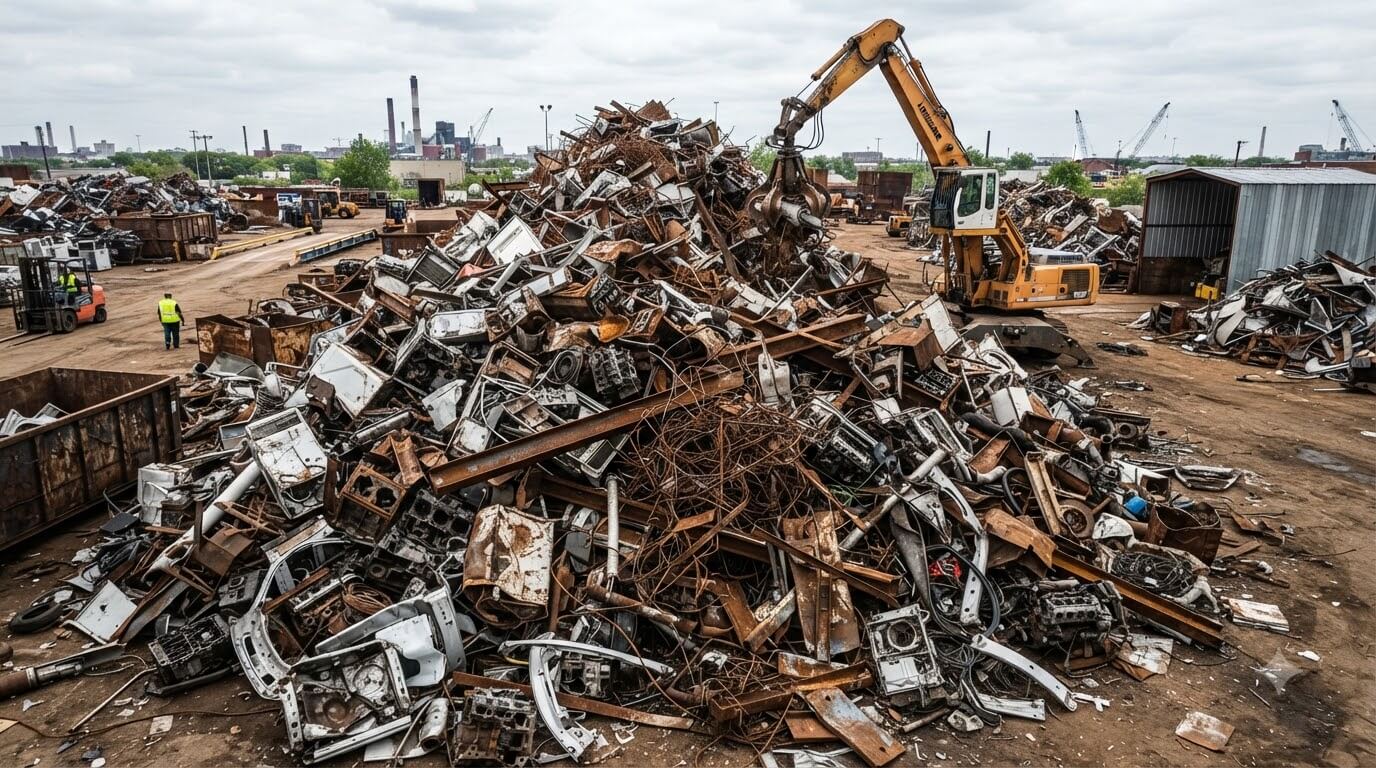
Unused metal, old appliances, machinery, vehicle parts, construction materials, and other recyclable items can quickly accumulate at homes and businesses. Instead of allowing these materials to occupy valuable space, selling them to a scrap yard can turn unwanted items into potential cash while supporting recycling and material recovery. However, many sellers are unsure about what scrap yards accept, how scrap prices are calculated, and how materials should be prepared before selling. Understanding these factors can make the process easier and help sellers make better decisions.
What Does It Mean to Sell Scrap at a Scrap Yard?
Selling scrap at a scrap yard means taking unwanted recyclable materials to a buyer or recycling facility, where the materials are inspected, weighed, classified, and valued. The seller then receives payment based on the agreed material type, grade, weight, and applicable market price.
How Scrap Yards Buy Scrap
The process usually begins with a material inspection to determine what the load contains and whether there is contamination. The scrap is then weighed, and the buyer identifies the metal type and grade. A price is calculated based on the material, weight, quality, and current market conditions. Once the final amount is confirmed, payment is made according to the buyer’s payment terms.
Who Can Sell Scrap?
Scrap yards commonly purchase materials from individuals and businesses that generate recyclable metal. This includes contractors, plumbers, electricians, manufacturers, construction companies, and other commercial operations. Larger businesses may also arrange scheduled pickups when they generate scrap regularly.
What Scrap Can You Sell at a Scrap Yard?
Scrap yards accept many types of recyclable materials, although accepted items vary by buyer and location. The value generally depends on the material type, grade, weight, condition, and current market demand.
Ferrous Metals
Common ferrous scrap includes steel, iron, and cast iron. These materials can come from construction projects, machinery, appliances, vehicle components, structural materials, and manufacturing operations.
Non-Ferrous Metals
Non-ferrous metals often have higher value because of their material properties and market demand. Common examples include copper, aluminium, brass, stainless steel, zinc, and lead. Keeping these metals separated can make grading easier and may help sellers receive more accurate offers.
Other Recyclable Scrap
Many scrap yards also accept recyclable items containing recoverable metals, including appliances, vehicle parts, machinery, electrical scrap, and industrial equipment. Buyers may dismantle or process these items to recover materials such as steel, aluminium, copper, and other metals. Always confirm accepted materials before delivering a load.
How to Sell Scrap at a Scrap Yard
Selling scrap at a scrap yard is straightforward when materials are prepared and sorted before delivery. Following a clear process can help sellers save time, understand the value of their materials, and avoid unexpected issues during the transaction.
Step 1: Collect Your Scrap
Gather recyclable materials from your home, business, construction project, workshop, warehouse, or other source. Keep potentially valuable metals separate from general waste.
Step 2: Sort Different Materials
Separate ferrous metals such as steel and iron from non-ferrous metals such as copper, aluminium, and brass. Where practical, separate different grades and material types to make assessment easier.
Step 3: Remove Unnecessary Contamination
Remove avoidable dirt, plastic, insulation, packaging, and other unwanted materials where it is safe and practical to do so. Cleaner scrap can be easier to grade and process.
Step 4: Weigh and Estimate the Quantity
Weigh your scrap before visiting the yard if possible. Knowing the approximate quantity helps you estimate the potential value and provides useful information when requesting buyer offers.
Step 5: Check Current Scrap Prices
Review current market conditions and recent scrap price information for your material. Prices can vary based on metal type, grade, location, demand, and market movements.
Step 6: Take Scrap to the Yard or Arrange Pickup
For smaller loads, you may be able to transport the scrap directly to the yard. Businesses with large or heavy quantities can ask about pickup services, containers, loading requirements, and transportation costs.
Step 7: Get the Material Weighed and Graded
The scrap yard will inspect the material, determine its grade and composition, and weigh the load. The final offer is generally based on the verified weight and applicable price for the material.
Step 8: Receive Payment
Once the price and final weight are confirmed, the scrap yard processes payment according to its terms. Keep receipts, weight records, and transaction documents for your records.
How to Get the Best Scrap Price
Getting a better scrap price depends on how well the material is prepared and how effectively you compare available buyers. Proper sorting, cleanliness, quantity, and current market information can all influence the final offer.
Separate Metals Before Selling
Keep steel, iron, copper, aluminium, brass, and other metals separated where practical. Separating different grades can make inspection easier and help prevent higher-value materials from being priced as mixed scrap.
Keep Scrap Clean
Remove unnecessary dirt, plastic, insulation, and other contamination when it is safe and practical. Clean scrap is generally easier to grade, process, and evaluate.
Separate High-Value Non-Ferrous Metals
Pay particular attention to copper, brass, aluminium, and other non-ferrous metals. Avoid mixing these materials with lower-value ferrous scrap, as doing so can make accurate grading more difficult.
Check Prices Before Visiting
Check recent scrap price information before taking your materials to a buyer. Scrap values can change based on metal markets, grade, location, supply, demand, and quantity.
Compare Multiple Scrap Yards
Request quotes from several suitable buyers when possible. Compare the actual terms, including price, deductions, weighing procedures, pickup charges, and payment conditions, rather than choosing solely on the quoted rate.
Consider Selling Larger Quantities
Larger, well-sorted loads may attract commercial buyers and can sometimes make transportation more economical per unit. Businesses generating regular volumes can also explore B2B marketplaces such as ScrapTrade to reach additional potential buyers.
What to Know Before Visiting a Scrap Yard
A little preparation before visiting a scrap yard can save time and help avoid unexpected issues. Confirming the yard’s requirements, pricing, and collection process can make selling scrap easier.
Confirm What Materials the Yard Accepts
Check whether the scrap yard accepts your specific materials, grades, and quantities. Some yards may not purchase certain electronic, automotive, hazardous, or specialized scrap.
Ask About Current Prices
Contact the yard to ask about current prices for your specific materials. Rates can vary based on metal type, grade, purity, weight, and market conditions.
Check Opening and Collection Hours
Confirm the yard’s opening hours before transporting your scrap. If you require pickup, ask about available collection times and scheduling requirements.
Understand Weighing Procedures
Ask how the scrap will be weighed and graded. Confirm whether payment is based on the final verified weight and whether any deductions may apply for contamination or other materials.
Ask About Pickup Options
For large or heavy loads, check whether the yard offers pickup services. Ask about minimum quantities, transportation charges, loading requirements, and collection areas.
Check Identification or Documentation Requirements
Some scrap yards may require identification, proof of ownership, business details, invoices, or other documentation depending on the material and local regulations. Confirm requirements before arriving to prevent delays.
Selling Scrap for Businesses
Businesses can generate significant amounts of scrap through daily operations, construction, manufacturing, repairs, and equipment replacement. A structured selling process can help companies clear storage space, reduce disposal costs, and recover value from recyclable materials.
Warehouse Scrap
Warehouses may accumulate damaged racking, metal shelving, equipment, packaging materials, and obsolete inventory. Separating recyclable metals from general waste can make collection and valuation easier.
Construction Scrap
Construction companies commonly generate steel, copper, aluminium, pipes, fittings, and metal offcuts. Sorting these materials at the project site can help improve recovery and make bulk collection more efficient.
Manufacturing Scrap
Manufacturers can generate production offcuts, rejected components, machining scrap, and obsolete equipment. Regular collection arrangements can help businesses manage recurring scrap volumes without allowing materials to build up.
Automotive Scrap
Automotive businesses may have old vehicles, engines, wheels, panels, exhaust components, and other recyclable parts. These materials can contain steel, aluminium, copper, and other recoverable metals.
Industrial Metal Scrap
Industrial facilities often generate machinery components, structural metals, fabrication offcuts, and factory equipment. Businesses with consistent or bulk quantities can compare commercial buyers and explore B2B marketplaces such as ScrapTrade to reach additional potential buyers.
FAQs
How do I sell scrap at a scrap yard?
Collect your scrap, separate different metals, remove unnecessary contamination, and estimate the quantity. Check current prices, confirm that the yard accepts your materials, then deliver the scrap or arrange pickup. The yard will inspect, weigh, and grade the material before confirming payment.
What materials do scrap yards usually buy?
Scrap yards commonly purchase steel, iron, copper, aluminium, brass, stainless steel, zinc, lead, vehicle parts, appliances, machinery, and industrial metal scrap. Accepted materials vary between yards, so it is best to confirm the specific items and grades before visiting.
How do scrap yards determine scrap prices?
Scrap prices are generally based on metal type, grade, purity, weight, condition, contamination, and current market demand. Transportation and processing costs may also affect the final offer. The final payment is typically calculated using the verified weight and applicable price.
Do I need to sort my scrap before selling?
Yes, sorting scrap is recommended. Separating ferrous metals from non-ferrous metals and keeping different grades apart makes inspection and grading easier. Clean, well-sorted materials can also help sellers receive more accurate offers and avoid unnecessary deductions.
Conclusion
Selling scrap at a scrap yard is a practical way to recover value from unwanted metal, appliances, machinery, vehicle parts, and other recyclable materials. Preparing your scrap properly can make the selling process easier and more efficient.
Sort materials by type and grade, remove unnecessary contamination, and know the approximate weight before requesting an offer. Checking current scrap prices and comparing multiple buyers can also help you make better selling decisions.