

Selling Mixed and Unsorted Scrap Loads: Sorting, Pricing, and Buyer Expectations
Selling mixed and unsorted scrap metal can be a practical way to move accumulated recyclable materials without separating every item beforehand. However, the condition of the load, the metals it contains, contamination, and the buyer's processing capabilities can all influence the offers you receive.
For scrap yards, demolition contractors, manufacturers, recyclers, and other businesses, the key is to understand what is in the load and describe it accurately. Some buyers accept mixed scrap because they have the equipment and facilities to sort it. Others prefer separated materials that can be processed or resold more easily.
Sorting may improve the marketability of certain materials, but it also takes time, labour, space, and sometimes specialist equipment. The best approach depends on the composition of the load, the available quantity, and the requirements of potential buyers.
This guide explains what mixed scrap is, why it is often assessed differently from sorted material, when sorting may be worthwhile, and how to list mixed loads clearly to attract suitable buyers.
What Is a Mixed or Unsorted Scrap Load?
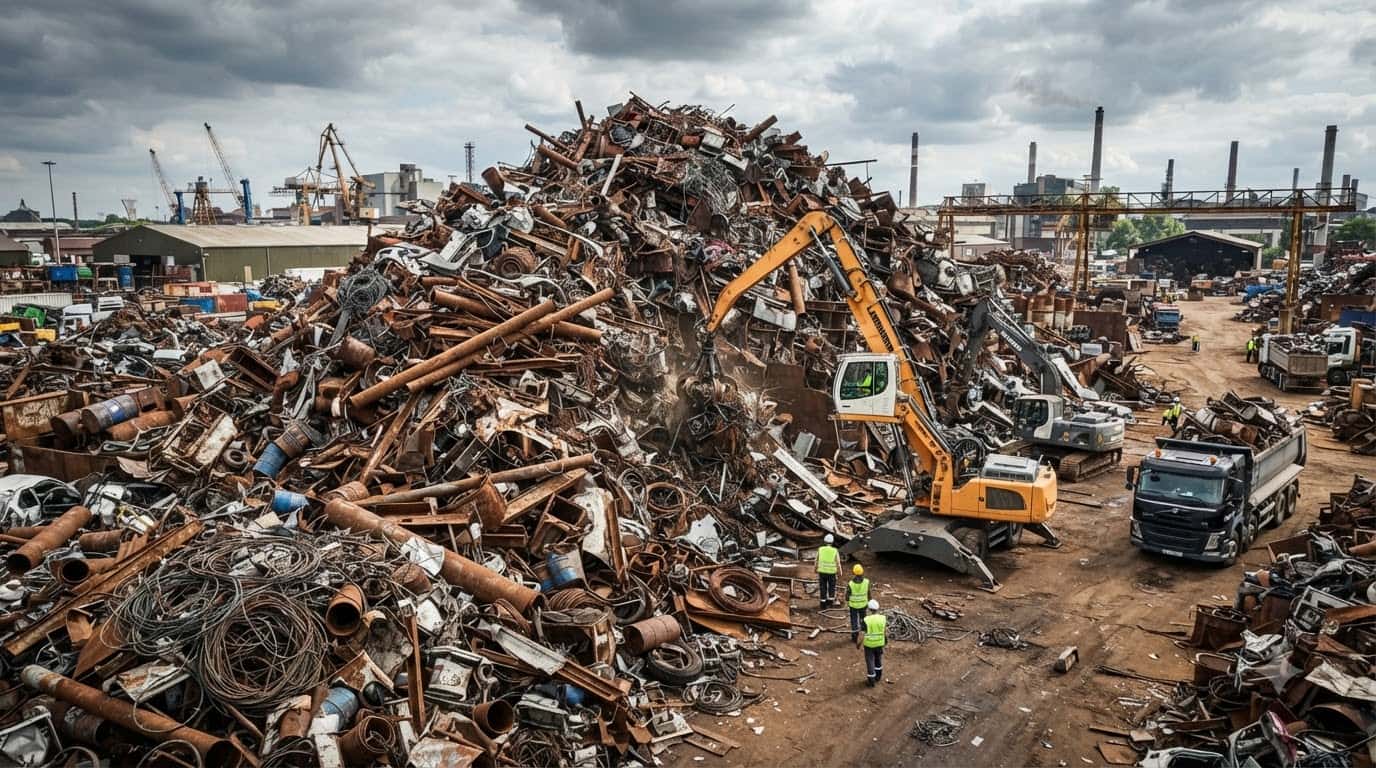
A mixed or unsorted scrap load contains two or more types, grades, or forms of recyclable material that have not been fully separated. The term can describe anything from a collection of different metals to a load containing metal items alongside non-metal attachments.
For example, a mixed load may contain steel offcuts, aluminium components, copper wire, brass fittings, and other metal pieces collected during manufacturing, demolition, equipment removal, or scrap yard operations.
An unsorted load may also contain materials that require additional preparation, such as metal items with plastic coverings, rubber components, paint, dirt, or other attachments. The amount and type of contamination can affect whether a buyer accepts the load and how it will be processed.
It is important to distinguish mixed metal scrap from mixed recyclable waste. A load containing several identifiable metals is not necessarily the same as a load containing metal, cardboard, plastic, general rubbish, and unknown materials. Buyers may have different acceptance requirements for each.
Mixed scrap can originate from several sources:
- Manufacturing offcuts and production residues.
- Demolition, renovation, and construction projects.
- Equipment dismantling and machinery replacement.
- Vehicle dismantling and maintenance operations.
- General scrap collection and metal recovery activities.
- Industrial clearances and accumulated workshop materials.
The precise contents matter more than the label alone. A buyer evaluating a mixed load needs to understand its likely material composition, quantity, condition, and preparation requirements before deciding whether it suits their operation.
If the contents are not fully known, describe the load as accurately as possible and identify any uncertainty rather than assigning an unsupported grade.
Why Mixed Loads Are Usually Priced Lower
Mixed and unsorted scrap may receive less attractive offers than comparable material that has been correctly separated and prepared. This is not a universal rule, but several commercial factors can explain the difference.
Buyers may need additional sorting
When a load contains several materials, the buyer may need to separate them before selling, processing, or using them. This work can require labour, handling equipment, storage space, and time.
The buyer must account for the resources needed to turn the incoming load into materials that meet their own customers' specifications. The extent of that work depends on the load and the buyer's existing facilities.
Material composition may be uncertain
A buyer cannot confidently assess a load if the seller does not know which metals are present or how much of each material it contains.
For example, a pile that appears to contain copper-bearing components may also include insulated cables, steel attachments, and non-metallic parts. Without adequate information or inspection, the buyer may be unable to determine the recoverable material composition.
Uncertainty can lead to more cautious offers or a request for inspection before a final price is agreed.
Contamination can affect acceptance
Dirt, moisture, plastics, rubber, glass, and other unwanted materials can increase handling requirements or reduce the amount of material suitable for the buyer's intended process.
Some contamination can be removed easily, while other forms may require extra processing or make part of a load unsuitable for a particular buyer.
Sellers should disclose known contamination and clarify acceptable limits before dispatch.
Transport and handling costs still apply
A mixed load may need to be transported, unloaded, inspected, and moved through several sorting stages. These requirements can influence the buyer's overall costs, particularly when the material is bulky, difficult to handle, or located far from the processing facility.
The quantity, loading conditions, collection distance, and available equipment all matter when evaluating the deal.
The key point: mixed scrap does not have one standard discount or price. Offers depend on the actual material, the buyer's capabilities, the condition of the load, and the complete transaction terms. Avoid assuming a fixed price difference between mixed and sorted scrap without comparable market evidence.
Is It Worth Sorting First?
Sorting before selling can improve the clarity and marketability of a load, but it is not always the most economical choice. Before investing time or money in sorting, compare the likely benefits with the cost and effort involved.
Start by identifying the materials that make up the load. If it contains clearly distinguishable metals, separating them may help buyers assess the material more accurately. If the load contains items that are difficult to identify or separate safely, professional assessment may be more appropriate.
Next, consider the available quantity. Sorting a large, recurring volume may be more practical than separating a small collection of miscellaneous items. Storage space, labour availability, handling equipment, and the risk of mixing grades again should also be considered.
Then, ask potential buyers what they accept. One buyer may purchase a mixed industrial load, while another may only want separated steel, aluminium, or copper-bearing materials. Understanding these requirements before sorting can prevent unnecessary work.
A useful way to make the decision is to compare two realistic options:
Option one: Sell the load as mixed scrap. This may reduce preparation work and help move material quickly, provided a suitable buyer accepts the load and the agreed terms are commercially acceptable.
Option two: Sort the load before selling. This may make individual material categories easier to assess and sell, but it introduces additional labour, handling, storage, and possible equipment costs.
When comparing these options, consider the expected offers for each material category, the cost of sorting, the quantity of recoverable material, and the time required to complete the sale. Do not compare a mixed-load offer with a sorted-material price without accounting for the additional work and any material losses involved.
Describing a Mixed Lot Honestly in a Listing
A clear listing is particularly important when selling mixed scrap because buyers need enough information to judge whether they can handle the material.
Begin with a descriptive title. Instead of using only “scrap for sale,” specify the type of load as far as you know it, such as “Mixed Industrial Metal Scrap” or “Unsorted Ferrous and Non-Ferrous Scrap.” Do not use a specific grade in the title unless the material has been identified appropriately.
Include the following information where available:
- Material composition: List the metals or other materials known to be present. Identify uncertain components clearly.
- Estimated quantity: State the estimated weight or volume and explain whether it has been verified.
- Condition: Describe whether the material is loose, bulky, dismantled, baled, or otherwise prepared.
- Contamination: Disclose known dirt, moisture, plastics, rubber, glass, attachments, or other unwanted material.
- Location: Provide the collection or dispatch location relevant to the transaction.
- Photographs: Upload recent images of the actual load, including wide views and close-ups of representative items.
- Collection and handling: Explain any known loading limitations or access requirements.
- Availability: State whether the full quantity is ready for collection or will be supplied in stages.
Honesty is commercially important. If the load contains an unknown proportion of copper, do not advertise it as a copper-rich lot without evidence. If the material has not been weighed, do not present an estimate as a confirmed net weight.
Use photographs that represent the whole load, not just the cleanest or most valuable-looking pieces. If some sections contain contamination or different material types, include images of those areas too.
A transparent listing helps buyers make more informed decisions and reduces the likelihood of disputes during inspection.
What Buyers Expect from Mixed Loads
Buyer requirements vary according to the material, processing equipment, intended use, and commercial arrangements. Nevertheless, several expectations are common when evaluating mixed and unsorted scrap.
Accurate descriptions. Buyers want to know what the load contains and which details are confirmed. They may request additional photographs, an inspection, or testing when composition is uncertain.
Realistic quantities. Buyers need a reasonable estimate of the available stock and clarity about whether the stated quantity is approximate or verified. For larger transactions, the parties should agree on the weighing method before dispatch.
Disclosure of contamination. Known non-metallic materials, attachments, moisture, and other contaminants should be identified before a deal is finalised. Acceptance requirements should be agreed in advance.
Practical collection arrangements. Buyers may need to know whether the material is accessible to a truck, whether loading equipment is available, and whether the load requires special handling.
Clear settlement terms. The parties should agree on the pricing basis, inspection procedure, weight determination, payment schedule, and treatment of material that does not meet the agreed specifications.
Suitable documentation. Depending on the transaction, buyers may request business details, invoices, weight records, photographs, material descriptions, and transport or compliance documents.
Some buyers specialise in mixed scrap and have the facilities to recover different materials from a combined load. Others may only accept defined grades or require pre-sorting. Sellers should confirm acceptance requirements before arranging transport rather than assuming every scrap buyer can process every type of load.
FAQs
Can I sell mixed scrap metal without sorting it?
Yes, if you find a buyer who accepts the material in its current condition. Some processors handle mixed loads, while others require specific grades or separated materials. Confirm acceptance requirements before arranging collection or delivery.
Does mixed scrap always receive a lower offer than sorted scrap?
Not in every case. Offers depend on material composition, contamination, quantity, location, processing requirements, and buyer demand. Sorted material may be easier to assess, but the commercial benefit of sorting depends on the actual load and the cost of preparation.
What is the easiest way to begin sorting mixed scrap?
A practical first step is to separate clearly identifiable ferrous metals from identifiable non-ferrous metals, then keep known categories such as copper, aluminium, and brass apart where feasible. Do not rely on appearance or magnet response alone to confirm an exact grade.
Should I remove plastic, rubber, and other attachments before selling?
It depends on the material and the buyer's specifications. Ask what the buyer accepts and whether removing attachments is worthwhile. Disclose known contamination and avoid unsafe dismantling or processing.
Conclusion
Selling mixed and unsorted scrap loads can be a practical option when the material is accurately described and matched with a suitable buyer. Understanding the load's composition, identifying contamination, and considering basic sorting can help you make better-informed selling decisions.
Sorting may improve clarity and marketability, but it also involves labour, time, and handling costs. Compare the potential benefits with the cost of preparation before deciding whether to separate materials or sell the load as it is.
Most importantly, be transparent about the material, quantity, condition, and any uncertainty. Clear photographs, realistic weight estimates, agreed inspection procedures, and documented transaction terms help establish expectations for both parties.
Whether you sell a mixed industrial load or a smaller collection of unsorted metals, a detailed listing can help potential buyers assess the opportunity more effectively.
Ready to sell mixed scrap? Create a listing on ScrapTrade and connect with potential buyers for your available material.