

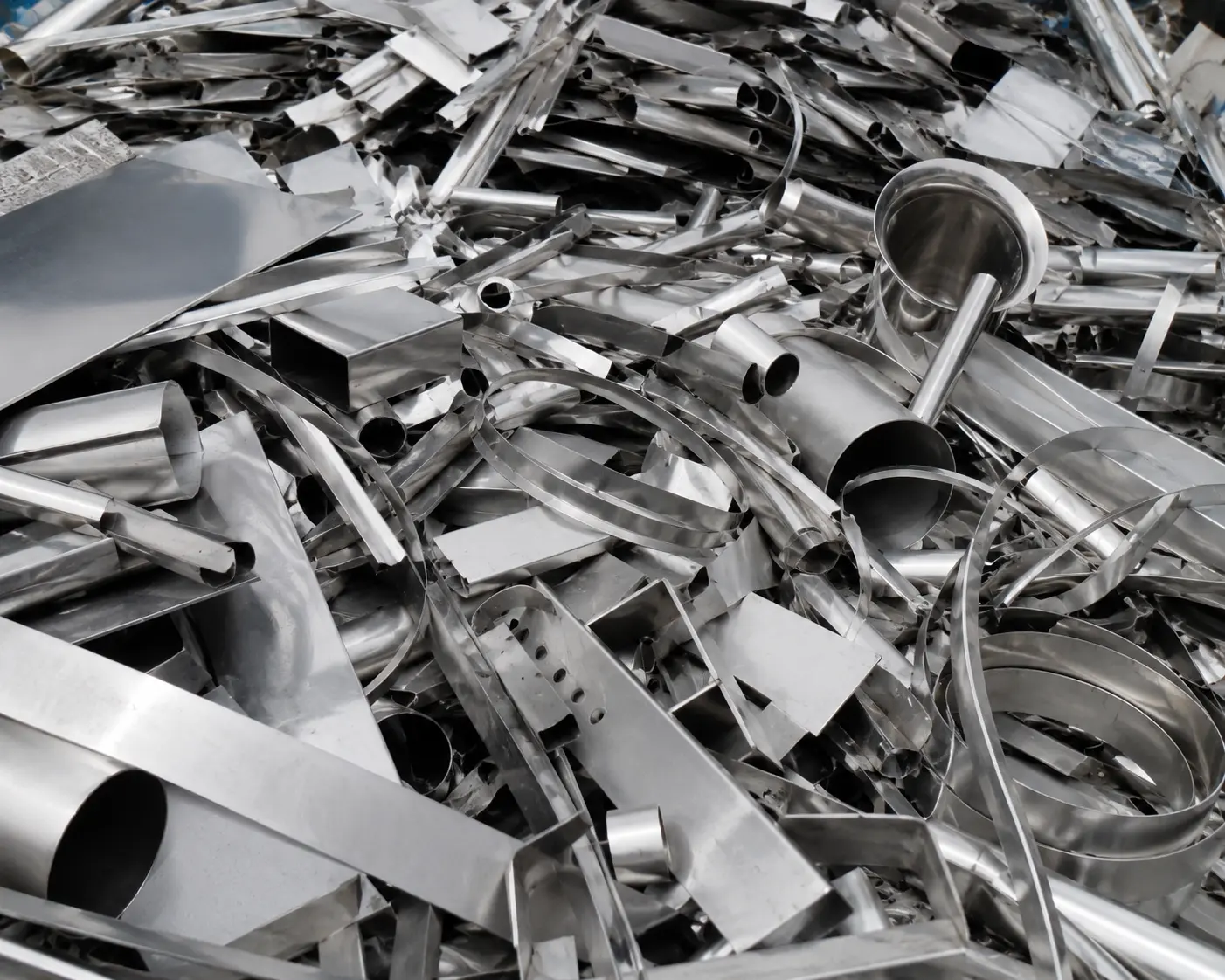
If you're selling stainless steel scrap, one of the most important factors affecting your payout is the grade of stainless steel you have. Many sellers know they possess stainless steel scrap, but few realise that the 304 stainless scrap price and 316 stainless scrap price can vary considerably due to differences in alloy content and market demand.
In Australia, stainless steel remains a valuable recycling material used across industries including hospitality, manufacturing, construction, marine engineering, and food processing. Because different grades contain varying amounts of nickel, chromium, and other alloying elements, recyclers pay different rates depending on the material's composition and recovery value.
Understanding how stainless steel grades are identified and priced can prevent premium materials from being sold as lower-value scrap. This guide explains current stainless steel scrap prices in Australia, compares common grades such as 304, 316, and 430, and outlines practical ways to maximise the value of your stainless steel scrap in 2026.
Current Stainless Steel Scrap Prices in Australia (2026)
Stainless steel scrap prices in Australia vary significantly by grade, with alloy composition being the primary factor influencing value. Materials containing higher levels of nickel typically attract stronger pricing because nickel is one of the most valuable components recovered during recycling.
Stainless Steel Scrap Price Per Kg
| Stainless Grade | Typical Price (AUD/kg) |
|---|---|
| 316 Stainless Steel | $3.00 – $4.50 |
| 304 Stainless Steel | $1.50 – $2.50 |
| 430 Stainless Steel | $0.50 – $1.20 |
| Mixed Stainless Steel | $0.80 – $1.50 |
| Stainless Turnings | $0.50 – $1.80 |
What Affects Stainless Steel Scrap Prices?
Stainless steel scrap values are influenced by several market and material factors.
Nickel content is the most important driver of pricing. Grades with higher nickel levels, such as 316 stainless steel, generally achieve the highest returns.
Chromium content also contributes to value because it enhances corrosion resistance and is recoverable during recycling.
Material cleanliness affects pricing significantly. Clean stainless steel that is free from contamination, attachments, and mixed metals typically attracts better offers from recyclers.
Quantity available can influence rates, with larger and more consistent loads often receiving stronger pricing due to improved processing efficiency.
Export demand remains an important factor, particularly for premium stainless grades that are traded internationally and used in manufacturing and industrial applications.
Grade 304 Stainless Steel
304 stainless steel is the most commonly recycled stainless steel grade in Australia and is widely used across commercial, residential, and food-service applications. Due to its versatility and corrosion resistance, it represents a significant portion of stainless steel scrap generated by businesses and households.
This grade is frequently found in kitchen benches, food processing equipment, sinks, appliances, and restaurant fit-outs. Its durability and hygienic properties make it a preferred material in environments where cleanliness and moisture resistance are important.
304 stainless steel offers excellent corrosion resistance and is generally non-magnetic in its annealed form. It contains approximately 8% nickel, which contributes to its strength, corrosion performance, and recycling value.
Typical scrap value: $1.50–$2.50 per kg
While 304 stainless steel commands solid scrap prices, it is typically valued below 316 stainless steel due to its lower nickel content. Clean, uncontaminated 304 material usually achieves the strongest returns within its grade category.
Grade 316 Stainless Steel
316 stainless steel is widely regarded as the premium stainless steel grade in Australian recycling markets and consistently attracts the highest scrap prices among common stainless categories.
It is commonly used in marine equipment, chemical processing facilities, pharmaceutical manufacturing, and coastal construction projects where exceptional corrosion resistance is required. These demanding environments make 316 stainless steel highly valuable due to its specialised alloy composition.
Compared to 304 stainless steel, 316 contains a higher level of nickel and also includes molybdenum, which significantly improves resistance to corrosion, chemicals, and saltwater exposure. This enhanced alloy content is the primary reason for its higher recycling value.
Typical scrap value: $3.00–$4.50/kg
Because of its higher nickel and molybdenum content, 316 stainless steel typically commands a substantial premium over 304 stainless steel. Clean, uncontaminated material that is correctly identified and separated can achieve the strongest returns in the stainless steel scrap market.
Grade 430 Stainless Steel
430 stainless steel is a lower-value ferritic stainless steel commonly found in consumer products and decorative applications. Because it contains little or no nickel, it typically attracts lower scrap prices than 304 and 316 stainless steel grades.
This material is often used in appliance panels, automotive trim, decorative fittings, and household products where moderate corrosion resistance is sufficient. Its lower alloy content makes it less expensive to manufacture but also reduces its recycling value.
One of the easiest ways to identify 430 stainless steel is that it is magnetic, unlike many forms of 304 stainless steel. It also offers lower corrosion resistance due to its reduced nickel content.
Typical scrap value: $0.50–$1.20/kg
Because nickel is one of the key drivers of stainless steel scrap value, 430 stainless steel generally sits at the lower end of the pricing range. Clean, separated material will still achieve better rates than mixed or contaminated stainless scrap.
How to Identify Stainless Steel Grades
The Magnet Test
One of the simplest ways to identify stainless steel scrap is by using a magnet. While not completely accurate in every situation, it provides a quick indication of the likely grade.
| Grade | Magnet Attraction |
|---|---|
| 304 Stainless Steel | Weak or none |
| 316 Stainless Steel | Very weak or none |
| 430 Stainless Steel | Strong attraction |
304 and 316 stainless steels are generally non-magnetic because of their austenitic structure, while 430 stainless steel is ferritic and strongly magnetic.
Spark Testing
Professional recyclers and metal processors may use spark testing as an additional method to help identify stainless steel grades.
- 304 stainless steel typically produces short reddish sparks.
- 316 stainless steel generates similar spark patterns, although subtle differences can be observed by experienced operators.
- Carbon steel produces much brighter and more intense sparks, making it easier to distinguish from stainless steel.
While spark testing can assist with identification, it is generally used as a supplementary method rather than a definitive grading tool.
Material Certificates
For industrial scrap sellers, mill certificates, purchase records, and fabrication documentation provide the most reliable method of identifying stainless steel grades.
These records specify the exact alloy composition and grade, eliminating uncertainty during valuation. Accurate documentation is particularly important for premium materials such as 316 stainless steel, where correct identification can significantly increase scrap value and prevent underpricing.
Why 316 Stainless Steel Is Worth More
Higher Nickel Content
The primary reason 316 stainless steel commands higher scrap prices is its alloy composition. Nickel is one of the most valuable components found in stainless steel, and 316 contains a higher percentage of nickel than many other common grades.
In addition to increased nickel content, 316 stainless steel also contains molybdenum, which improves resistance to corrosion, chemicals, and saltwater environments. These alloying elements increase both the manufacturing value and recycling value of the material.
As a result, recyclers are typically willing to pay a premium for clean 316 stainless steel compared to lower-grade stainless alloys.
Strong Industrial Demand
316 stainless steel remains in high demand across several industries that require exceptional durability and corrosion resistance.
Major sectors using 316 stainless steel include marine construction, mining operations, oil and gas infrastructure, and pharmaceutical manufacturing. These industries rely on the material for critical equipment and structures exposed to harsh operating conditions.
The combination of valuable alloy content and sustained industrial demand helps support consistently higher scrap prices for 316 stainless steel compared with grades such as 304 and 430.
Stainless Steel Scrap Value by Industry
Hospitality Industry
The hospitality sector generates a significant amount of stainless steel scrap through the replacement and refurbishment of commercial food-service equipment. Common sources include commercial kitchens, preparation benches, catering equipment, and food-processing installations.
Much of this material is manufactured from 304 stainless steel, making it a valuable and widely accepted recycling stream. Clean, well-maintained equipment can often achieve strong scrap returns due to its high stainless content.
Manufacturing & Engineering
Manufacturing and engineering businesses regularly produce stainless steel scrap during fabrication and production processes. Typical sources include offcuts, fabrication waste, production rejects, and surplus materials.
These operations often generate larger and more consistent volumes than other industries, making them attractive to industrial scrap buyers. Proper grade separation can significantly improve returns, particularly when 304 and 316 stainless steel are kept separate.
Marine Industry
The marine sector is one of the highest-value sources of stainless steel scrap because it frequently uses 316 stainless steel for its superior corrosion resistance.
Common scrap originates from boat fittings, marine hardware, offshore equipment, and coastal infrastructure. Due to the higher nickel and molybdenum content found in 316 stainless steel, marine scrap often commands premium pricing when correctly identified and separated from lower-grade materials.
How to Maximise Stainless Steel Scrap Value
Separate Grades
One of the most effective ways to increase stainless steel scrap returns is to keep different grades separated. Mixing 304, 316, and 430 stainless steel together often results in buyers pricing the entire load as mixed stainless, which attracts lower rates.
Correct grade separation allows recyclers to accurately value the material and pay according to the alloy content of each grade.
Remove Contamination
Clean stainless steel consistently receives better pricing because it reduces processing time and improves recovery efficiency.
Contaminants such as plastic fittings, rubber seals, insulation, paint, and mild steel attachments can reduce the value of a load by increasing sorting and processing costs. Removing these materials before selling helps maximise returns and improves buyer confidence in the quality of the scrap.
Verify Premium Grades
Not all stainless steel has the same recycling value. Premium grades such as 316 stainless steel can be worth substantially more than lower-grade alternatives due to their higher nickel and molybdenum content.
Before selling large quantities, it is worth confirming the grade through documentation, testing, or professional assessment. A simple grade verification can prevent valuable material from being sold as mixed stainless and significantly increase the final payout.
FAQs
What is the current stainless steel scrap price in Australia?
Most stainless steel scrap in Australia sells for $0.50 to $4.50 per kg, depending on the grade, alloy composition, cleanliness, quantity, and current market demand. Premium grades with higher nickel content generally achieve the strongest prices.
What is 316 stainless steel scrap worth?
316 stainless steel typically attracts $3.00–$4.50 per kg, making it one of the highest-value stainless steel grades in the recycling market. Its higher nickel content and added molybdenum contribute to its premium value.
How can I tell if stainless steel is 304 or 316?
A magnet test can provide an initial indication, as both grades are generally non-magnetic or only weakly magnetic. However, the most reliable identification methods are professional alloy testing, mill certificates, or fabrication records that confirm the material grade.
Why is 430 stainless worth less?
430 stainless steel contains little or no nickel, which significantly reduces its recycling value. Because nickel is one of the most valuable alloying elements in stainless steel, 430 typically receives lower prices than 304 and 316 grades.
Should I separate stainless steel grades before selling?
Yes. Separating stainless steel grades before selling is one of the best ways to maximise returns. Mixed stainless loads often receive lower pricing, while correctly sorted 304 and 316 stainless steel can be valued individually and achieve higher payouts.
Conclusion
Understanding stainless steel scrap prices in Australia starts with correctly identifying the grade of material you have. While 304 stainless steel remains the most common grade found in commercial and industrial scrap streams, 316 stainless steel consistently delivers the highest returns due to its higher nickel content and the addition of molybdenum.
The difference between grades can have a significant impact on your final payout. Proper grade separation, contamination removal, and accurate material verification help ensure that premium stainless steel is valued correctly rather than being sold as mixed scrap.