

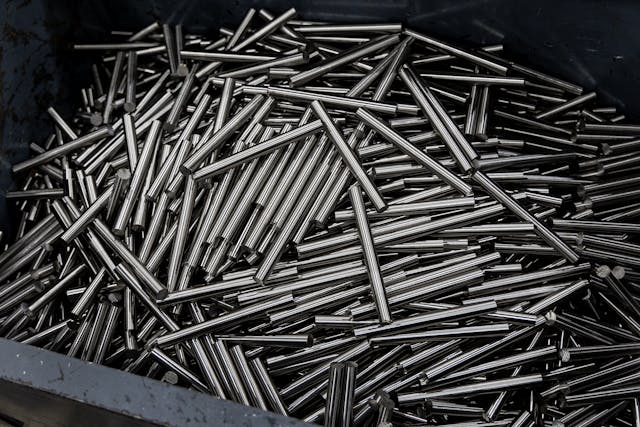
Steel scrap metal prices in Australia continue changing due to construction demand, recycling activity, transport costs, export demand, and global steel market conditions. Many homeowners, demolition contractors, tradies, manufacturers, and industrial businesses want to know the current steel scrap value before selling steel waste to recyclers.
Although steel scrap generally has lower value per kilogram compared to copper or brass, large volumes of steel can still generate significant recycling returns. Heavy steel, industrial scrap, and demolition steel often attract better rates because of their higher recyclable content and bulk quantities.
This guide explains the latest steel scrap metal prices in Australia, including average steel scrap rates per kg, pricing factors, heavy steel values, and practical ways to maximize steel scrap profits. Whether selling light steel, heavy melting steel, industrial scrap, or car body steel, understanding current steel scrap prices can help increase recycling payouts.
Current Steel Scrap Metal Prices Australia
Steel scrap prices in Australia vary depending on steel grade, thickness, weight, contamination levels, and recycling demand. Construction activity, demolition projects, manufacturing demand, and export markets all influence current steel scrap rates across Australian recycling facilities.
Heavy steel and heavy melting steel generally receive better prices because they contain denser recyclable material and offer higher recovery value for recyclers. Light steel and mixed steel are more common but usually attract lower rates per kilogram.
Steel Scrap Prices Per KG
| Steel Scrap Type | Average Price Per KG (AUD) |
|---|---|
| Mixed Steel | $0.10 – $0.15 |
| Light Gauge Steel | $0.15 – $0.25 |
| Car Body Steel | $0.15 – $0.25 |
| Heavy Steel Scrap | $0.25 – $0.35 |
| Heavy Melting Steel (HMS) | $0.30 – $0.45 |
These prices reflect average Australian scrap steel market rates for clean and sorted materials. Final payouts can vary depending on location, quantity, processing requirements, and local scrap yard demand.
Mixed steel is one of the most common recyclable materials collected from household appliances, construction debris, and demolition waste. Because mixed steel often contains contamination or lighter materials, it generally receives lower prices.
Light gauge steel usually includes roofing sheets, thin steel framing, fencing, and lightweight fabrication materials. Prices for light steel depend heavily on cleanliness and load size.
Car body steel remains widely recycled across Australia due to ongoing automotive dismantling and vehicle recycling demand. Steel recovery from vehicles contributes significantly to Australia’s recycling industry.
Heavy steel scrap and heavy melting steel (HMS) attract stronger rates because of their density, industrial reuse value, and export demand. Heavy steel commonly comes from machinery, structural beams, industrial equipment, pipelines, and demolition projects.
Heavy Steel Scrap Metal Prices
Heavy steel scrap usually delivers the best steel recycling returns in Australia because of its dense metal composition, lower contamination levels, and strong industrial demand. Recycling facilities prefer heavy steel materials because they are easier to process, transport efficiently, and produce higher recovery yields during recycling.
Heavy clean steel generally receives the highest steel scrap prices because of improved recycling efficiency and reduced processing costs. Large demolition projects, industrial facilities, and manufacturing sites often generate valuable heavy steel scrap loads that attract premium rates from recyclers.
Heavy Melting Steel Prices
Heavy Melting Steel (HMS) is one of the most valuable ferrous scrap categories in Australia. HMS commonly includes thick steel beams, industrial machinery, structural steel, pipelines, heavy plate steel, and large fabrication materials.
Higher recycling demand for HMS comes from steel manufacturing plants, export buyers, and industrial recycling operations. Because heavy melting steel contains dense recyclable metal with minimal waste, recyclers typically offer better payout rates compared to mixed or lightweight steel scrap.
| Heavy Melting Steel Type | Average Price Per KG (AUD) |
|---|---|
| HMS 1 Heavy Steel | $0.35 – $0.45 |
| HMS 2 Mixed Heavy Steel | $0.25 – $0.40 |
| Clean Heavy Structural Steel | $0.30 – $0.45 |
Clean and oversized heavy steel loads usually achieve stronger rates because they require less sorting and contamination removal during processing.
Oversized Steel Scrap Prices
Oversized steel scrap often comes from industrial demolition projects, commercial construction sites, warehouses, mining facilities, and manufacturing plants. Large steel beams, structural columns, industrial frames, tanks, and heavy fabrication materials are commonly classified as oversized scrap steel.
Structural steel pricing depends on thickness, purity, transport requirements, and cutting or processing costs. Large industrial steel sections with minimal contamination usually receive higher recycling rates because of their strong resale and processing value.
Heavy demolition steel is highly sought after by recyclers due to ongoing infrastructure projects and manufacturing demand across Australia. Bulk industrial steel loads can often qualify for negotiated pricing from scrap yards and export buyers.
Car Scrap Steel Prices
Car scrap steel remains an important segment of Australia’s recycling industry due to high vehicle turnover and automotive dismantling activity. Vehicle body steel is commonly recovered from old cars, damaged vehicles, wrecking yards, and auto recycling facilities.
Pressed steel scrap from crushed vehicles is widely processed and exported for recycling. Prices for car body steel depend on contamination levels, attached materials, and the amount of recoverable steel within the vehicle shell.
| Car Scrap Steel Type | Average Price Per KG (AUD) |
|---|---|
| Vehicle Body Steel | $0.15 – $0.25 |
| Pressed Steel Scrap | $0.20 – $0.30 |
| Crushed Car Shell Steel | $0.18 – $0.28 |
Factors Affecting Steel Scrap Metal Prices
Steel scrap metal prices in Australia are influenced by several market and recycling factors, including steel weight, material quality, industrial demand, and international commodity trends. Scrap yards and recycling facilities constantly adjust pricing based on local supply conditions and global steel market activity.
Understanding these pricing factors helps sellers maximize recycling profits and secure better rates for steel scrap materials.
Steel Scrap Weight
The total weight of steel scrap plays a major role in determining final payout rates. Bulk steel loads generally receive higher prices because recyclers benefit from increased processing efficiency and lower handling costs per tonne.
Large industrial loads from demolition sites, construction projects, warehouses, and manufacturing facilities often qualify for improved pricing compared to smaller residential scrap quantities. Heavy steel beams, machinery parts, structural steel, and oversized steel sections are especially valuable in bulk quantities.
Commercial and industrial sellers typically negotiate better rates for high-volume steel recycling loads.
Steel Scrap Quality
Steel scrap quality directly impacts recycling value. Clean steel with minimal contamination usually attracts stronger prices because recyclers spend less time and money removing waste materials before processing.
Steel contaminated with plastic, rubber, concrete, insulation, wood, or mixed metals generally receives lower rates due to increased processing costs. Heavy clean steel and properly sorted industrial steel often command premium recycling prices.
Prepared steel scrap is also easier to transport, shred, and process within steel recycling facilities, which improves overall recycling efficiency.
Steel Market Demand
Construction activity and manufacturing demand heavily influence steel scrap prices across Australia. Large infrastructure projects, commercial developments, mining operations, and industrial manufacturing all increase demand for recycled steel materials.
When construction and manufacturing sectors expand, steel mills and recyclers require larger volumes of scrap steel for processing and production. This increased demand usually pushes steel scrap prices higher.
Industrial slowdowns, reduced building activity, or weaker export demand can place downward pressure on steel recycling prices. Australian steel scrap markets are closely connected to both local industrial conditions and overseas manufacturing demand.
Global Scrap Steel Prices
International steel recycling trends also affect Australian steel scrap prices because scrap steel is heavily traded across global markets. Export demand from Asia and international steel manufacturing activity often influence local recycling rates.
Global scrap steel prices recently reached around USD 399 per tonne according to commodity market tracking data, reflecting ongoing demand from international steel producers and recycling markets.
Changes in freight costs, fuel prices, export regulations, and global steel production levels can rapidly affect steel scrap pricing across Australia. International commodity markets remain one of the strongest influences on local steel recycling values.
Steel Scrap Prices Per Tonne
Steel scrap prices per tonne in Australia vary depending on steel grade, contamination levels, thickness, and market demand. Bulk steel loads are commonly priced per tonne rather than per kilogram, especially for industrial recycling, demolition projects, and commercial scrap processing.
Heavy steel generally attracts higher per tonne rates because of its dense recyclable content and lower contamination levels, while mixed steel usually receives lower payouts due to additional sorting and processing requirements.
Light Steel Prices Per Tonne
Light steel scrap commonly includes roofing sheets, thin steel framing, fencing, lightweight fabrication materials, and household steel waste. Because light steel contains less dense recyclable metal, it generally attracts lower recycling rates compared to heavy steel categories.
| Light Steel Type | Average Price Per Tonne (AUD) |
|---|---|
| Light Gauge Steel | $100 – $250 |
| Thin Sheet Steel | $150 – $300 |
| Domestic Mixed Light Steel | $150 – $350 |
Clean and separated light steel usually receives stronger rates than mixed or contaminated loads. Large commercial quantities may also qualify for improved pricing from recyclers and scrap buyers.
Heavy Steel Prices Per Tonne
Heavy steel scrap delivers some of the highest steel recycling returns in Australia due to strong industrial demand and better processing efficiency. Heavy structural steel, machinery components, beams, and industrial demolition steel are commonly sold as premium heavy scrap categories.
| Heavy Steel Type | Average Price Per Tonne (AUD) |
|---|---|
| Heavy Steel Scrap | $400 – $500 |
| Heavy Melting Steel (HMS) | $450 – $550 |
| Structural Industrial Steel | $420 – $550 |
Heavy steel attracts higher recycling value because recyclers recover larger amounts of usable steel with lower contamination levels. Bulk industrial demolition loads often achieve premium rates depending on quality and market conditions.
Mixed Steel Prices Per Tonne
Mixed steel scrap usually contains different steel grades combined with contamination such as plastic, rubber, wood, insulation, or non-metal waste materials. Because recyclers spend more time sorting and processing mixed steel, it generally receives lower prices per tonne.
| Mixed Steel Type | Average Price Per Tonne (AUD) |
|---|---|
| Mixed Household Steel | $100 – $220 |
| Mixed Demolition Steel | $150 – $300 |
| Contaminated Steel Scrap | $100 – $250 |
How to Get Better Steel Scrap Metal Prices
Getting better steel scrap metal prices in Australia depends on preparation, material quality, load size, and market timing. Many sellers lose value because steel is mixed with waste materials or incorrectly sorted before visiting a recycling yard.
Properly prepared steel scrap is easier for recyclers to process, transport, and recycle, which usually results in stronger payouts and better negotiation opportunities.
Sort Steel Scrap Properly
Separating steel scrap correctly is one of the most effective ways to improve recycling value. Heavy steel and light steel are often priced differently because heavy steel contains denser recyclable material and offers better processing efficiency.
Heavy structural steel, machinery parts, industrial beams, and thick steel plate generally attract higher prices than lightweight steel sheets, fencing, or thin framing materials. Mixed loads may receive downgraded pricing because recyclers must spend additional time sorting materials.
Keeping heavy and light steel separate helps scrap yards classify materials more accurately and offer stronger rates for premium steel categories.
Remove Non-Metal Waste
Removing non-metal materials before selling steel scrap can significantly increase final payouts. Contamination increases processing costs for recyclers and often lowers the overall value of steel loads.
Plastic attached to steel materials reduces recycling efficiency and may lead to lower grading classifications. Rubber components, insulation, hoses, and synthetic materials can also affect steel purity and recycling performance.
Wood attached to demolition steel, construction waste, or industrial materials further increases sorting requirements and disposal costs. Clean steel with minimal contamination is always more valuable because it can move directly into recycling and processing systems.
Prepared steel scrap is easier to shred, transport, and recycle, which is why clean loads consistently receive better market prices across Australia.
Sell Bulk Steel Scrap
Bulk steel scrap usually receives stronger pricing because larger loads improve recycling efficiency and reduce handling costs for scrap yards. Commercial quantities from demolition projects, construction sites, industrial facilities, and manufacturing operations often qualify for negotiated pricing.
Heavy bulk steel loads also provide sellers with better negotiation leverage when comparing recycling buyers. Large quantities allow recyclers to process more usable material with fewer transport and labor expenses.
Industrial sellers frequently achieve higher per tonne rates by consolidating steel loads before selling to recyclers or export buyers.
Compare Steel Scrap Buyers
Steel scrap prices can vary significantly between recyclers depending on local demand, export activity, processing capacity, and regional competition. Comparing multiple steel scrap buyers before selling can help maximize returns.
Steel prices may fluctuate daily based on construction demand, manufacturing activity, global steel production, and international commodity markets. Monitoring current steel recycling trends allows sellers to choose better selling times and avoid low market periods.
Steel Scrap Recycling Process
Steel scrap recycling in Australia is a structured industrial process designed to recover usable steel from household waste, construction debris, demolition materials, and industrial by-products. Each stage improves material purity, reduces landfill waste, and supports large-scale steel production for infrastructure and manufacturing sectors.
Understanding the steel recycling process also helps sellers see why clean, sorted, and bulk steel scrap usually receives better market prices.
Steel Scrap Collection
Steel scrap collection begins at multiple sources including residential clean-ups, construction sites, demolition projects, automotive dismantling yards, manufacturing plants, and industrial facilities.
Collected steel may include appliances, structural beams, machinery parts, fencing, roofing materials, and vehicle bodies. Many recyclers also provide skip bins and bulk pickup services for commercial and industrial clients, allowing large volumes of steel scrap to be efficiently gathered and transported.
Efficient collection systems ensure that valuable steel materials are recovered before being sent to landfill or mixed waste streams.
Steel Scrap Sorting
Once collected, steel scrap is sorted based on material type, thickness, and contamination levels. This stage is essential because different steel grades require different processing methods and have different market values.
Magnetic separation is commonly used to isolate ferrous metals such as steel from non-ferrous materials like aluminium, copper, and brass. After initial separation, steel is further classified into light steel, heavy steel, and mixed steel categories.
Cleaner and well-sorted steel scrap is more valuable because it reduces processing time and improves recycling efficiency at steel mills.
Steel Scrap Processing
During processing, steel scrap is prepared for melting and reuse. Large steel items are cut, shredded, or compacted into smaller pieces to make transport and furnace loading more efficient.
Industrial shredders and heavy machinery are used to break down structural steel, machinery parts, and automotive bodies into uniform fragments. Contaminants such as plastic, rubber, paint, insulation, and wood are removed during this stage to improve metal purity.
Processed steel is then bundled or baled before being transported to steel mills for melting and refinement.
Steel Scrap Reuse
In the final stage, processed steel scrap is melted in high-temperature furnaces and converted into new steel products. Recycled steel is widely used in construction, infrastructure development, automotive manufacturing, and industrial production.
Recycled steel helps reduce reliance on raw iron ore mining and significantly lowers energy consumption compared to producing virgin steel. It also supports Australia’s circular economy by reducing landfill waste and improving resource efficiency.
Steel Scrap Market Trends Australia
The steel scrap market in Australia is closely linked to construction activity, infrastructure development, industrial production, and global steel demand. Prices and demand levels fluctuate throughout the year depending on project cycles, export conditions, and raw material requirements from steel manufacturers.
Understanding steel scrap market trends helps sellers time their sales better and secure improved recycling returns, especially for bulk steel loads from demolition or industrial operations.
Construction Industry Growth
The construction industry is one of the largest drivers of steel scrap demand in Australia. Residential housing projects, commercial developments, and civil construction works generate large volumes of steel waste that enter the recycling stream.
As construction activity increases, more steel offcuts, structural beams, roofing materials, and reinforcement steel become available for recycling. At the same time, demand for recycled steel also rises as builders and manufacturers require affordable raw materials.
This cycle directly influences steel scrap pricing, especially for light steel and structural steel categories.
Infrastructure Demand
Infrastructure development plays a major role in shaping steel scrap market trends. Large-scale government projects such as roads, bridges, rail networks, ports, and utilities require massive amounts of steel during construction and maintenance.
Demolition and renovation of aging infrastructure also contribute to steel scrap supply. Heavy steel from bridges, industrial plants, and public works projects often enters the recycling market in bulk volumes.
When infrastructure spending increases, demand for recycled steel typically rises, supporting stronger scrap prices across Australia.
Recycling Industry Expansion
Australia’s recycling industry continues to expand as sustainability targets, environmental regulations, and circular economy initiatives gain momentum.
Steel recycling is a core part of this growth because steel is one of the most widely recycled materials globally. Modern recycling facilities are investing in advanced sorting, shredding, and processing technologies to improve efficiency and recover higher-quality steel.
Increased recycling capacity also supports more stable steel scrap markets by improving supply chain efficiency and reducing waste sent to landfill.
Scrap Export Market Changes
Scrap steel exports significantly influence Australian steel scrap prices because much of the processed material is shipped to international steel mills for reuse.
Global demand, especially from Asia, plays a key role in determining export pricing and overall market strength. Changes in international trade policies, shipping costs, and currency exchange rates can quickly affect local scrap steel values.
FAQs
What are current steel scrap metal prices in Australia?
Steel scrap metal prices in Australia generally range from $0.10 to $0.45 per kg depending on steel type, grade, contamination level, and market demand. Light and mixed steel sit at the lower end of the range, while heavy steel and heavy melting steel typically achieve higher recycling rates.
What steel scrap has the highest value?
Heavy melting steel and clean heavy steel usually receive the best steel scrap prices in Australia. These materials have higher density, lower contamination, and better recycling efficiency, making them more valuable for steel mills and recycling facilities compared to light or mixed steel.
Do steel scrap metal prices change daily?
Yes. Steel scrap prices fluctuate regularly based on global commodity markets, construction activity, manufacturing demand, export conditions, and recycling industry supply levels. Prices for steel can change daily or weekly depending on market conditions.
What affects steel scrap prices?
Steel scrap metal prices are influenced by several key factors, including steel weight, cleanliness, grade type, and overall global market demand. Heavier and cleaner steel generally attracts better rates, while contaminated or mixed steel receives lower payouts due to higher processing costs.
Where can I sell steel scrap metal in Australia?
Steel scrap metal can be sold through local recycling yards, industrial scrap buyers, demolition recyclers, and online scrap trading platforms. Many sellers compare multiple buyers to secure better pricing based on current steel market conditions.
Conclusion
Steel scrap metal prices in Australia are influenced by steel type, material quality, weight, and overall recycling demand across construction and industrial sectors. Heavy clean steel continues to deliver higher scrap returns due to better recycling efficiency and lower contamination, while mixed steel typically receives lower pricing because of additional sorting and processing requirements.
As market conditions shift with construction activity, manufacturing demand, and global steel trends, staying informed about current steel scrap prices helps sellers improve timing and maximize returns. Proper sorting, bulk selling, and clean material preparation remain the most effective ways to increase steel recycling value across Australia.