

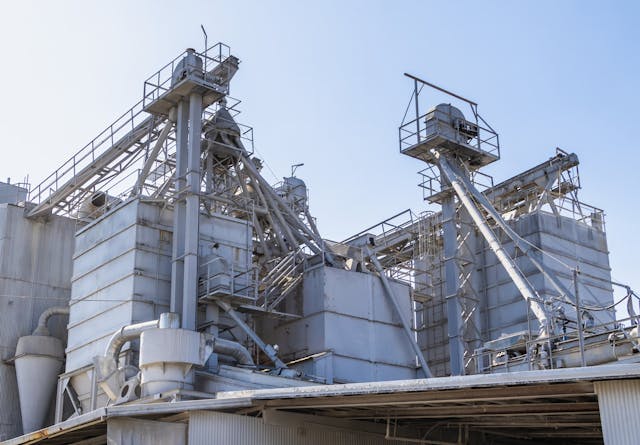
Industrial facilities generate large volumes of byproducts every day. Many businesses treat these materials as waste, leading to rising disposal costs, environmental compliance challenges, and missed revenue opportunities. Manufacturers, processing plants, mining operations, and heavy industries often struggle to find buyers who can repurpose or recycle surplus industrial materials.
A worldwide industrial byproduct marketplace solves this problem by connecting businesses that generate industrial byproducts with companies that can reuse, recycle, or process those materials. These global marketplaces create a circular economy model where industrial waste becomes a valuable resource.
What Is a Worldwide Industrial Byproduct Marketplace?
A worldwide industrial byproduct marketplace is a global B2B platform where businesses buy, sell, exchange, or source industrial surplus materials and manufacturing byproducts.
These marketplaces help companies:
- Reduce waste disposal costs
- Monetize industrial byproducts
- Source secondary raw materials
- Improve sustainability targets
- Connect with international buyers
- Build circular supply chains
- Reduce landfill dependency
How Worldwide Industrial Byproduct Marketplaces Work
- Industrial byproduct exchanges function similarly to commodity trading platforms.
Step 1: Listing Industrial Byproducts
- Companies create listings that include:
- Material type
- Available volume
- Physical condition
- Purity or contamination levels
- Country of origin
- Packaging format
- Pricing expectations
Step 2: Buyer Discovery
- Industrial buyers search for reusable materials using marketplace filters.
- Common filters include:
- Material category
- Industry application
- Geographic region
- Volume requirements
- Material specifications
Step 3: Negotiation
- Businesses negotiate:
- Price per ton
- Shipping terms
- Delivery schedules
- Quality inspection
- Contract duration
Step 4: Logistics and Material Transfer
- Once a deal is finalized, the marketplace facilitates shipment, documentation, and trade completion.
Types of Materials Sold on Industrial Byproduct Marketplaces
- Industrial byproduct platforms support multiple industries.
Metal Processing Byproducts
- Metal industries generate valuable reusable materials.
- Examples include:
- Mill scale
- Slag
- Foundry sand
- Metal shavings
- Grinding dust
- Furnace residue
- Steel scrap
Mining and Mineral Byproducts
- Mining operations often create reusable byproducts.
- Examples include:
- Tailings
- Fly ash
- Silica materials
- Gypsum
- Aggregate waste
- Crushed mineral residue
Chemical Industry Byproducts
- Chemical manufacturing creates recoverable materials.
- Examples include:
- Solvents
- Chemical residues
- Catalysts
- Industrial acids
- Industrial salts
- Neutralized compounds
Agricultural Industrial Residues
- Agricultural processing generates reusable organic byproducts.
- Examples include:
- Biomass waste
- Husk residue
- Organic sludge
- Biochar materials
- Seed waste
- Fiber residue
Construction and Manufacturing Waste
- Construction industries can reuse industrial materials.
- Examples include:
- Concrete byproducts
- Glass waste
- Ceramic waste
- Rubber residue
- Asphalt grindings
- Composite waste
Benefits of Using a Worldwide Industrial Byproduct Marketplace
Turn Waste Into Revenue
- Industrial byproducts often retain commercial value.
- Businesses can:
- Sell surplus materials
- Reduce storage costs
- Generate secondary income
- Monetize waste streams
Reduce Disposal Expenses
- Industrial waste disposal can be expensive.
- Marketplace exchanges reduce:
- Landfill fees
- Transport costs
- Environmental penalties
- Long-term storage expenses
Improve Sustainability Goals
- Many companies now prioritize ESG performance.
- Industrial byproduct exchanges help organizations:
- Reduce carbon footprint
- Increase recycling rates
- Support circular manufacturing
- Improve sustainability reporting
Expand Global Market Reach
- International buyers create broader demand for industrial byproducts.
- Businesses can access:
- Overseas buyers
- Specialized industries
- Bulk procurement opportunities
- Long-term contracts
Industries That Use Industrial Byproduct Marketplaces
Manufacturing
- Manufacturers use industrial byproducts to lower raw material costs.
Construction
- Construction companies reuse secondary materials in building products.
Agriculture
- Organic byproducts support composting and soil enhancement.
Energy Production
- Power plants often exchange residual materials.
Mining and Metallurgy
- Mining sectors repurpose mineral byproducts.
How to Choose the Best Worldwide Industrial Byproduct Marketplace
Look for Industry-Specific Categories
- Choose marketplaces that categorize materials clearly.
Verify Buyer and Seller Credentials
- Important verification includes:
- Company registration
- Trade history
- Certifications
- Export documentation
Evaluate Geographic Reach
- A worldwide marketplace should support international industrial trade.
Compare Marketplace Features
- Look for:
- RFQ systems
- Messaging tools
- Bulk listings
- Freight integration
- Secure payment methods
FAQs
What is a worldwide industrial byproduct marketplace?
- A worldwide industrial byproduct marketplace is a B2B platform where businesses trade industrial waste, reusable materials, and manufacturing byproducts across global markets.
What materials are traded on industrial byproduct marketplaces?
- Materials include slag, fly ash, foundry sand, chemical residues, biomass waste, industrial solvents, mining byproducts, and construction waste.
Can industrial waste generate revenue?
- Yes. Many industrial byproducts have commercial value and can be sold to buyers who reuse or process secondary materials.
How are industrial byproducts priced?
- Pricing depends on purity, contamination levels, transportation, demand, processing requirements, and available quantity.
Why use a worldwide industrial marketplace?
- Global marketplaces help businesses reduce waste disposal costs, connect with buyers, and support sustainability goals.
Conclusion
- A worldwide industrial byproduct marketplace allows businesses to transform industrial waste into commercial opportunity. Instead of treating byproducts as disposal problems, companies can unlock new revenue streams while improving sustainability.
- Global industrial exchanges create better visibility, stronger supply chains, and access to international buyers.