

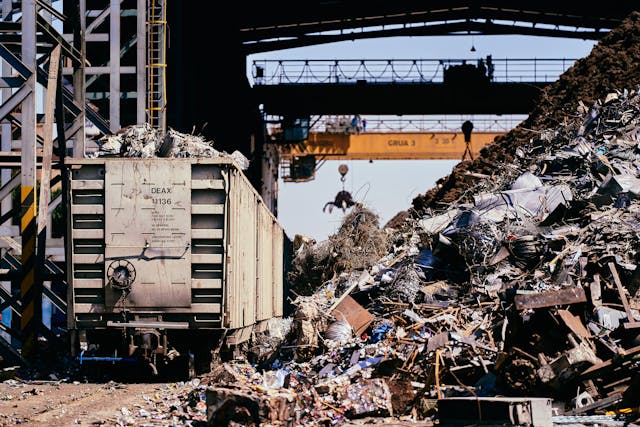
Finding reliable scrap inventory across multiple countries is one of the biggest challenges for scrap buyers, traders, recyclers, and industrial procurement teams. Many businesses still depend on fragmented supplier relationships, outdated spreadsheets, manual calls, or regional marketplaces that limit visibility into available scrap materials.
A worldwide scrap inventory network solves this issue by creating a centralized system where scrap inventory can be tracked, shared, sourced, and managed across international markets. Instead of relying on local supply chains alone, businesses gain access to a broader pool of inventory including metals, plastics, e-waste, industrial scrap, and reusable materials.
What Is a Worldwide Scrap Inventory Network?
A worldwide scrap inventory network is a connected ecosystem that allows scrap suppliers, recyclers, exporters, importers, and industrial buyers to access available scrap inventory across multiple countries and regions.
These platforms function as global marketplaces or inventory management systems that provide:
- Real-time scrap availability
- Supplier inventory listings
- Global material sourcing
- Inventory matching between buyers and sellers
- Price discovery and demand visibility
- Logistics coordination
Unlike local scrap directories, a global scrap inventory system allows businesses to source materials internationally based on quality, volume, pricing, and shipping feasibility.
Why Global Scrap Inventory Visibility Matters
The scrap industry is heavily dependent on supply consistency. Limited access to inventory data can cause:
- Material shortages
- Delayed manufacturing
- Price fluctuations
- Inefficient procurement
- Missed export opportunities
A worldwide scrap inventory network improves supply chain transparency.
Key Benefits of Global Inventory Access
| Benefit | Description |
|---|---|
| Better Material Availability | Access scrap inventory across multiple regions |
| Improved Price Comparison | Compare suppliers globally |
| Faster Procurement | Reduce sourcing time |
| Increased Trade Opportunities | Expand buyer and seller networks |
| Better Inventory Planning | Forecast future material demand |
| Reduced Supply Risk | Avoid dependency on single suppliers |
Businesses using global inventory networks can react faster to market shifts and improve operational efficiency.
Types of Scrap Materials Found in Worldwide Inventory Networks
Global scrap inventory platforms usually include multiple material categories.
Ferrous Scrap
Ferrous scrap contains iron and steel.
Common examples include:
- HMS 1 & 2
- Heavy melting scrap
- Steel turnings
- Structural steel scrap
- Rail scrap
- Cast iron scrap
Non-Ferrous Scrap
Non-ferrous materials are highly valuable due to conductivity and corrosion resistance.
Examples include:
- Copper scrap
- Aluminum scrap
- Brass scrap
- Zinc scrap
- Nickel scrap
- Lead scrap
Plastic Scrap
Plastic recycling networks are growing globally.
Common inventory types include:
- PET plastic scrap
- HDPE scrap
- LDPE scrap
- PP scrap
- PVC scrap
Electronic Scrap
E-waste is increasingly traded in worldwide inventory platforms.
Examples include:
- Circuit boards
- Computer scrap
- Mobile phone waste
- Battery scrap
- Industrial electronics
Industrial Production Scrap
Manufacturers often generate reusable scrap materials.
Examples include:
- Factory offcuts
- Sheet metal waste
- Cable scrap
- Automotive scrap
- Machinery scrap
How a Worldwide Scrap Inventory Network Works
A worldwide scrap inventory system operates through a structured digital workflow.
Step 1: Inventory Listing
Suppliers upload inventory information including:
- Material type
- Quantity
- Scrap grade
- Photos
- Location
- Available shipment terms
Step 2: Buyer Discovery
Buyers search inventory based on filters such as:
- Material category
- Country
- Quantity
- Price range
- Quality grade
Step 3: Matching and Inquiry
The platform connects buyers with sellers through direct communication or RFQ systems.
Step 4: Logistics Coordination
International scrap trade requires:
- Shipping arrangements
- Customs documentation
- Container planning
- Freight coordination
Step 5: Transaction Management
Some worldwide scrap inventory networks also provide:
- Payment protection
- Verification tools
- Supplier rating systems
- Trade documentation
Worldwide Scrap Inventory Network Pricing Factors
Scrap inventory pricing varies depending on multiple market conditions.
Major Pricing Variables
| Pricing Factor | Impact |
| Scrap Grade | Higher purity increases value |
| Material Demand | Global demand affects rates |
| Country of Origin | Export cost impacts price |
| Shipping Distance | Logistics cost changes pricing |
| Quantity Available | Bulk orders often reduce cost |
| Market Conditions | Commodity markets fluctuate |
Sample Global Scrap Price Ranges
| Scrap Material | Approximate Price Range (USD/Ton) |
| Copper Scrap | $5,500–$8,500 |
| Aluminum Scrap | $1,200–$2,400 |
| Steel Scrap | $250–$500 |
| Brass Scrap | $3,500–$6,000 |
| Stainless Steel Scrap | $800–$2,000 |
Pricing changes frequently depending on regional demand and global metal markets.
Benefits of Using a Worldwide Scrap Inventory Network
Businesses that adopt global inventory systems gain operational advantages.
Better Procurement Efficiency
Procurement teams save time by accessing multiple inventory sources from one platform.
Expanded Export Opportunities
Scrap sellers can reach international buyers instead of relying only on local dealers.
Improved Pricing Transparency
Global visibility allows buyers to compare offers from different countries.
Reduced Idle Inventory
Suppliers can move unsold materials faster through broader exposure.
Stronger Supply Chain Resilience
Companies avoid supply shortages by diversifying sourcing regions.
Challenges in Global Scrap Inventory Networks
Despite advantages, there are operational challenges.
Inventory Verification
Buyers need reliable quality assurance before purchasing.
Logistics Complexity
International shipping introduces:
- Freight delays
- Customs clearance
- Port congestion
Price Volatility
Scrap prices can change rapidly due to market demand.
Regulatory Compliance
Countries may have different scrap import/export regulations.
How Scrap Platforms Improve Worldwide Inventory Management
Digital scrap platforms simplify inventory coordination.
Leading inventory systems often include:
- Inventory dashboards
- Real-time availability updates
- Supplier verification
- Material classification
- Export documentation tools
- RFQ systems
Businesses looking to streamline inventory sourcing can explore platforms such as Scrap Trade to connect with international scrap buyers and suppliers.
Australian scrap buyers and exporters can also use Scrap Trade Australia for regional sourcing opportunities.
Companies seeking quick inventory exchange and trading opportunities may benefit from Scrap Trade Now to access active listings and global trade connections.
Worldwide Scrap Inventory Network Use Cases
Recycling Companies
Recyclers use inventory networks to source materials from multiple suppliers.
Manufacturing Businesses
Manufacturers purchase recycled materials to reduce production costs.
Scrap Exporters
Exporters gain access to overseas buyers.
Industrial Procurement Teams
Large industries improve procurement consistency through diversified sourcing.
Commodity Traders
Traders use inventory visibility to identify price arbitrage opportunities.
How to Choose the Best Worldwide Scrap Inventory Platform
When evaluating inventory networks, consider the following factors.
Platform Features Checklist
| Feature | Importance |
| Verified Suppliers | High |
| Global Reach | High |
| Inventory Filters | High |
| Logistics Support | Medium |
| Pricing Transparency | High |
| Buyer-Seller Communication | High |
| Export Support | Medium |
Choosing the right platform can significantly reduce sourcing friction.
FAQs
What is a worldwide scrap inventory network?
A worldwide scrap inventory network is a global platform that connects scrap buyers, sellers, recyclers, and exporters through centralized inventory listings. It improves material visibility and enables international trade opportunities.
How do global scrap inventory platforms work?
These platforms allow suppliers to upload available scrap materials while buyers search inventory using filters such as location, material type, and pricing. Buyers can then connect directly with suppliers.
What materials are included in worldwide scrap inventory networks?
Common materials include ferrous scrap, non-ferrous metals, plastics, e-waste, automotive scrap, industrial scrap, and manufacturing byproducts.
Are worldwide scrap inventory platforms suitable for exporters?
Yes. Exporters use global inventory platforms to identify overseas demand, improve market reach, and access buyers from different countries.
Why is inventory transparency important in scrap trading?
Inventory transparency helps buyers compare suppliers, reduce procurement delays, minimize shortages, and secure better pricing across global markets.
Conclusion
A worldwide scrap inventory network gives businesses greater visibility into global material availability, improving procurement efficiency and creating stronger trade opportunities.
As international recycling demand increases, centralized inventory systems become essential for connecting buyers and sellers across regions. Businesses that adopt global inventory visibility can reduce sourcing risks, improve pricing decisions, and streamline logistics.