

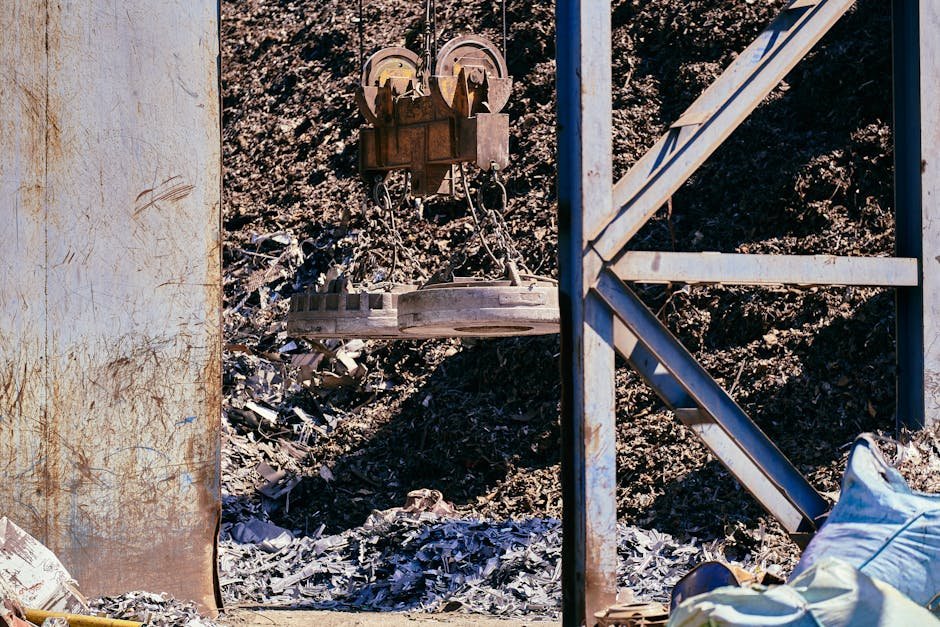
An international scrap distribution platform is redefining how recyclable materials are collected, traded, and delivered across global supply chains. Instead of fragmented local scrap handling systems, businesses now rely on centralized digital platforms to distribute metal scrap, plastics, e-waste, and industrial surplus to the right buyers worldwide.
These platforms connect suppliers, recyclers, exporters, and manufacturers in a unified ecosystem that improves transparency, reduces costs, and speeds up cross-border trade. The result is a more efficient flow of secondary raw materials into industries that depend on sustainable sourcing.
In this guide, you’ll learn how international scrap distribution platforms work, what materials they handle, how pricing is structured, and why they are becoming essential infrastructure for global recycling and circular economy systems.
What is an International Scrap Distribution Platform?
An international scrap distribution platform is a digital system that manages the movement and allocation of recyclable materials across global markets.
It enables:
- Cross-border scrap distribution
- Real-time buyer-seller matching
- Centralized material sourcing
- Logistics and shipment coordination
- Transparent pricing and trade execution
These platforms distribute materials such as:
- Ferrous and non-ferrous metals
- Plastic waste and polymers
- Electronic waste (e-waste)
- Industrial scrap and surplus materials
- Construction and demolition waste
The goal is to ensure efficient allocation of recyclable resources globally.
How an International Scrap Distribution Platform Works
1. Material Aggregation
Scrap is collected from industries, manufacturers, demolition sites, and recycling centers.
2. Digital Listing & Classification
Suppliers upload material details including:
- Type and category
- Quantity and weight
- Quality grade
- Country of origin
- Pricing expectations
3. Global Buyer Matching
Buyers search listings based on:
- Material demand
- Price range
- Logistics feasibility
- Regional sourcing needs
4. Distribution Planning
The platform organizes:
- Allocation to buyers
- Freight and container planning
- Export/import documentation
- Delivery scheduling
5. International Shipment
Materials are shipped to recycling plants or manufacturing facilities for reuse.
Types of Scrap Distributed Globally
Metal Scrap
- Steel scrap
- Copper scrap
- Aluminum scrap
- Brass and alloy scrap
Plastic Materials
- PET plastic
- HDPE and PVC waste
- Industrial polymer scrap
Electronic Waste
- Circuit boards
- Cables and wiring
- IT equipment
Industrial Surplus
- Manufacturing leftovers
- Overstock inventory
- Production scrap
Construction Waste
- Concrete debris
- Steel beams
- Structural materials
Pricing Structure in Scrap Distribution Platforms
Pricing is influenced by multiple global factors:
| Factor | Impact |
|---|---|
| Material quality | Higher grade increases value |
| Global demand | Drives pricing volatility |
| Freight costs | Affects net profitability |
| Regional supply gaps | Creates pricing differences |
| Processing requirements | Impacts final valuation |
Why International Scrap Distribution Platforms Are Growing
1. Expansion of Global Recycling Demand
Industries require consistent secondary raw material supply.
2. Shift Toward Circular Economy
Waste is increasingly treated as a resource.
3. Rising Commodity Prices
Recycled materials offer cost-effective alternatives.
4. Digital Transformation of Supply Chains
Manual scrap distribution is being replaced by online systems.
5. Sustainability Regulations
Governments are enforcing recycling and waste recovery policies.
Role of Digital Platforms in Scrap Distribution
Modern platforms streamline global scrap flow through:
- Real-time inventory visibility
- Verified supplier networks
- Automated buyer matching
- Integrated logistics management
- Transparent pricing systems
Platforms like ScrapTrade are enabling efficient global scrap distribution by connecting supply with demand in real time.
Challenges in International Scrap Distribution Platforms
Despite growth, several challenges remain:
- Inconsistent material grading standards
- High international freight costs
- Regulatory restrictions on scrap imports/exports
- Fraud risks in unverified transactions
- Logistics complexity across regions
Opportunities in Global Scrap Distribution Networks
The sector is expanding due to:
- Growing demand for recycled raw materials
- Expansion of industrial manufacturing hubs
- Adoption of ESG and sustainability goals
- Development of digital commodity platforms
- Increased global trade integration
These platforms are becoming essential infrastructure for modern recycling economies.
FAQs – International Scrap Distribution Platform
1. What is an international scrap distribution platform?
It is a digital system that manages the global sourcing, allocation, and delivery of recyclable scrap materials.
2. What materials are distributed?
Common materials include metal scrap, plastic waste, e-waste, and industrial surplus materials.
3. How does distribution work?
Materials are listed, matched with buyers, and shipped internationally through coordinated logistics systems.
4. Why are these platforms important?
They improve efficiency, reduce costs, and streamline global recycling supply chains.
5. Are these platforms suitable for exporters?
Yes, exporters benefit from global buyer access and simplified distribution processes.
Conclusion
An international scrap distribution platform is transforming global recycling by enabling efficient, transparent, and scalable movement of recyclable materials across borders. It ensures better resource allocation, reduces waste inefficiencies, and strengthens circular economy systems.
As global demand for secondary raw materials continues to rise, businesses that adopt digital distribution platforms gain a strong competitive advantage in international scrap trade.
To participate in global recycling and scrap distribution networks, platforms like ScrapTrade provide the infrastructure needed for efficient cross-border material exchange.