

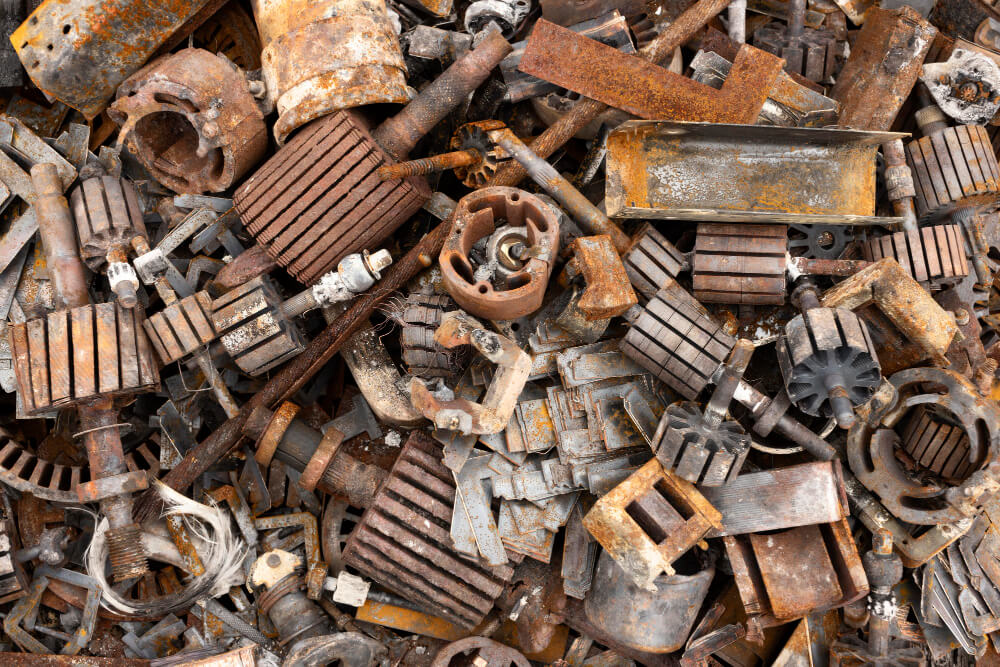
Scrap trading in Australia has traditionally been a fragmented and inefficient process. Whether you’re a business generating bulk scrap or an individual seller, dealing with local yards, middlemen, and inconsistent pricing often leads to confusion and lost value. Many sellers struggle with unclear rates, while buyers face challenges in sourcing verified, high-quality scrap materials. Add logistics and trust issues into the mix, and the process becomes even more complicated.
This is where an online scrap trading platform Australia solution is transforming the industry. Digital platforms are bringing transparency, verified networks, and streamlined transactions into one ecosystem. In this guide, you’ll discover the best platforms available in Australia, how they operate, and how you can buy or sell scrap efficiently.
What is an Online Scrap Trading Platform in Australia?
An online scrap trading platform in Australia is a digital marketplace that connects scrap buyers and sellers in a single, streamlined ecosystem. Instead of relying on local dealers or brokers, users can list, discover, and trade scrap materials directly through an online interface.
These platforms are designed to eliminate unnecessary middlemen, which often inflate costs and reduce seller margins. By enabling direct communication between parties, they create a more efficient and transparent trading environment. Most platforms also provide real-time pricing insights, bidding systems, and negotiation tools allowing both buyers and sellers to agree on fair market rates.
For example, platforms like Scrap Trade, Scrap Trade Australia, and Scrap Trade Now help users access verified buyers, compare offers, and manage transactions securely. This significantly reduces the risks associated with traditional scrap dealing, such as price manipulation, delayed payments, or unreliable partners.
Types of Scrap Traded
Online scrap platforms in Australia support a wide range of recyclable materials, making them suitable for industries, recyclers, and individual sellers alike.
Metal Scrap
This is the most actively traded category and includes:
- HMS (Heavy Melting Scrap)
- Copper (bright, mixed, insulated)
- Aluminum (extrusions, sheets, wheels)
- Steel and stainless steel
These materials typically have dynamic pricing based on global commodity markets, making online platforms especially valuable for tracking rates and securing the best deals.
E-Waste
Electronic waste is a rapidly growing segment and includes:
- Old computers and laptops
- Mobile phones and batteries
- Circuit boards and electronic components
Specialized buyers on platforms ensure proper recycling and compliance with environmental regulations.
Plastic Scrap
Plastic recycling is gaining traction across Australia. Common types include:
- PET (bottles)
- HDPE (containers, pipes)
- PVC and mixed plastics
Online platforms help aggregate demand and supply, making it easier to move bulk plastic scrap efficiently.
Paper & Cardboard
Widely generated by businesses and households, this category includes:
- Corrugated cardboard (OCC)
- Newspapers (ONP)
- Office paper and mixed paper
Bulk sellers such as warehouses, retailers, and offices benefit from consistent demand and competitive pricing through digital marketplaces.
How Online Scrap Trading Platforms Work (Step-by-Step)
Step 1: Register & Verify Account
The first step is creating an account on the platform. This typically involves basic details such as business name, contact information, and trading category (buyer, seller, or both).
Key verification steps:
- Business verification: Ensures you are a legitimate trader or company
- KYC (Know Your Customer): Upload ID proofs, licenses, or GST/ABN details
- Compliance checks: Required for regulated materials like e-waste or metals
This verification layer builds trust across the platform and reduces fraud one of the biggest issues in traditional scrap trading.
Step 2: List Scrap or Browse Listings
Once verified, users can either list their scrap for sale or explore available listings from suppliers.
For sellers, listing typically includes:
- Material type (e.g., copper, aluminum, plastic)
- Quantity (in kg, tonnes, or units)
- Location (pickup point or warehouse)
- Price expectations (fixed rate or negotiable)
For buyers:
- Browse listings by category, region, or price
- Filter verified sellers
- Compare multiple offers instantly
Step 3: Connect & Negotiate
After identifying a potential deal, buyers and sellers can connect directly through the platform.
What happens here:
- Direct messaging or inquiry system
- Price negotiation based on market rates
- Agreement on quantity, quality, and delivery terms
Most platforms eliminate broker involvement, which means:
- No middleman commissions (or minimal platform fees)
- Faster decision-making
- Better profit margins for both parties
Step 4: Finalize Deal & Logistics
Once both parties agree, the transaction moves to execution.
Final steps include:
- Payment terms: Advance, partial, or full payment on delivery
- Invoice generation: For business compliance
- Logistics coordination:
- Seller arranges pickup OR
- Buyer organizes transport OR
- Platform-assisted logistics (in some cases)
Top Online Scrap Trading Platforms in Australia
1. ScrapTrade (Best Overall Platform)
ScrapTrade stands out as one of the most reliable and scalable solutions for scrap buyers and sellers in Australia. With both global reach and strong local accessibility, it is designed to simplify bulk scrap transactions while maintaining transparency and trust.
Unlike traditional scrap dealing, where pricing and connections are often limited to local networks, ScrapTrade enables users to access a wider marketplace helping sellers secure better rates and buyers find consistent supply.
Key Features:
- Verified buyers & sellers
Every user undergoes a verification process, ensuring that you only deal with legitimate businesses and reducing the risk of fraud. - Real-time pricing insights
The platform reflects current market trends, allowing users to make data-driven decisions and avoid underpricing or overpaying. - Secure transactions
Built-in systems for communication, deal confirmation, and transaction tracking add a layer of protection for both parties. - Global + Australia coverage
Whether you are trading locally or exporting scrap internationally, the platform supports cross-border transactions with ease.
Explore global trading on ScrapTrade platform
2. SellScrap Australia
SellScrap Australia is particularly strong for sellers looking to maximize visibility and get competitive pricing for their materials. The platform is designed to simplify the selling process while maintaining transparency.
Key Features:
- Seller-focused interface
Easy listing process tailored for individuals and businesses generating scrap - Transparent listings
Buyers can clearly see material details, reducing back-and-forth confusion - Wide material categories
Supports metals, plastics, e-waste, and paper scrap
3. BuyScrap Platform
BuyScrap Platform is designed with buyers in mind, especially businesses that require consistent and bulk scrap supply.
Key Features:
- Verified supplier network
Ensures buyers connect only with trusted and compliant sellers - Structured procurement workflow
Organized system for sourcing, negotiating, and finalizing bulk purchases - Bulk buying efficiency
Ideal for manufacturers and recyclers needing regular inventory
4. Scrap Exchange Marketplace
Scrap Exchange Marketplace operates as a global B2B exchange, making it suitable for large-scale industrial transactions.
Key Features:
- Global trading network
Connects buyers and sellers across multiple countries - Bulk trading friendly
Supports high-volume deals with standardized specifications - Industrial-scale transactions
Ideal for exporters, importers, and large recycling plants
5. HMS Scrap Marketplace
HMS Scrap Marketplace offers a simpler, more accessible interface tailored for small and mid-sized traders.
Key Features:
- User-friendly interface
Minimal learning curve for new users - Quick listing & deal flow
Faster transactions for smaller quantities - Suitable for SMEs
Ideal for local traders, small recyclers, and first-time sellers
Pricing of Scrap in Australia
Understanding scrap prices in Australia is critical for both buyers and sellers using any online scrap trading platform Australia. Prices fluctuate based on global commodity markets, local demand, scrap quality, and logistics costs.
Average Scrap Metal Prices (Indicative)
Below is a general pricing benchmark for 2026. Actual rates may vary depending on purity, volume, and location.
| Scrap Type | Price Range (AUD/ton) |
|---|---|
| Copper Scrap | $7,000 – $9,000 |
| Aluminum Scrap | $1,500 – $2,500 |
| Steel (HMS) | $300 – $600 |
| Brass Scrap | $4,000 – $6,500 |
Key Factors Affecting Scrap Prices
1. Global Commodity Markets
Scrap prices are heavily influenced by international benchmarks, especially for metals like copper and aluminum. Any fluctuation in demand from major economies directly impacts Australian rates.
2. Scrap Quality & Grade
- Clean, sorted scrap fetches higher prices
- Mixed or contaminated scrap is priced lower
- Industrial-grade scrap usually commands premium rates
3. Location & Logistics
Transport costs can significantly affect final pricing:
- Metro areas → better rates due to higher competition
- Remote areas → lower net price due to logistics costs
4. Volume of Scrap
Bulk quantities (tonnage-level deals) often receive better per-ton rates compared to small loads.
5. Platform Transparency
Using a digital marketplace ensures:
- Real-time price comparison
- Multiple buyer quotes
- Reduced risk of underpricing
Benefits of Using an Online Scrap Trading Platform
Using an online scrap trading platform Australia is no longer just a convenience it’s a strategic advantage for both buyers and sellers. These platforms streamline operations, improve pricing visibility, and unlock access to a much larger trading network compared to traditional methods.
Key Advantages
Access to Verified Buyers & Sellers
One of the biggest challenges in scrap trading is trust. Online platforms solve this through strict verification systems:
- KYC and business validation
- Verified trading history
- Ratings and reviews
Platforms like Scrap Trade and Scrap Trade Australia ensure you connect only with credible partners, reducing fraud and payment risks.
Transparent Pricing
Traditional scrap markets often suffer from price manipulation or lack of clarity. Digital platforms provide:
- Real-time price visibility
- Multiple buyer quotations
- Data-driven pricing decisions
This transparency ensures sellers don’t undersell and buyers don’t overpay.
Wider Market Reach (Local + Global)
Instead of being limited to nearby scrap yards, online platforms open access to:
- Nationwide buyers and suppliers
- International trading opportunities
- Export/import deals for bulk scrap
With platforms like Scrap Trade Now, even small traders can tap into global demand.
Faster Deal Closures
Time is critical in scrap trading, especially with fluctuating prices. Online platforms accelerate the process by:
- Enabling instant listings
- Allowing direct communication
- Reducing negotiation cycles
This leads to quicker conversions and improved cash flow.
Reduced Dependency on Local Scrap Yards
Relying solely on local dealers often limits pricing and options. Online platforms eliminate this dependency by:
- Offering multiple buyer options
- Creating competitive bidding environments
- Giving sellers more control over pricing
Challenges in Online Scrap Trading (Real Insights)
While an online scrap trading platform Australia offers efficiency and transparency, it also comes with practical challenges especially for bulk traders and industrial buyers. Understanding these limitations helps you make better decisions and avoid costly mistakes.
Common Issues
Logistics Cost Impact
Logistics remains one of the biggest cost drivers in scrap trading:
- Transport charges can significantly reduce seller margins
- Long-distance deals may look profitable but lose value after freight costs
- Coordination delays can impact deal timelines
For bulky materials like HMS or aluminum, even small distance differences can affect final pricing per ton.
Quality Verification Risks
Unlike physical yard inspections, online deals rely on listed information:
- Risk of mismatched material grades
- Contamination or mixed scrap issues
- Lack of standardized quality checks
To mitigate this, many traders:
- Request photos/videos before finalizing
- Start with smaller trial orders
- Prefer platforms with verification systems like Scrap Trade
Trust-Building for Bulk Deals
High-value transactions require strong trust between parties:
- New users may hesitate to engage in large-volume deals
- Payment security concerns (advance vs post-delivery)
- Risk of delayed shipments or disputes
Even with verified platforms like Scrap Trade Australia and Scrap Trade Now, trust-building takes time especially for first-time transactions.
Real-World Insight (Market Trend)
Despite the rise of digital platforms, many experienced traders still rely on local relationships and offline networks for:
- Faster trust validation
- Better negotiation flexibility
- Immediate logistics coordination
In practice, the most successful traders use a hybrid approach:
- Online platforms for price discovery and new opportunities
- Local networks for execution and repeat deals
How to Choose the Best Scrap Trading Platform in Australia
Selecting the right online scrap trading platform Australia can directly impact your pricing, deal success rate, and long-term scalability. Not all platforms offer the same level of transparency, liquidity, or operational support so evaluating them based on clear criteria is essential.
Selection Criteria
Verification System
A strong verification framework is non-negotiable in scrap trading.
- Look for platforms with KYC and business verification
- Ensure buyers and sellers are pre-screened
- Check for ratings, reviews, or transaction history
Number of Active Buyers
Liquidity determines how fast you can close deals and how competitive your pricing will be.
- More buyers = better price discovery
- Higher competition = better margins for sellers
- Faster deal closures
For example, platforms with thousands of active users and verified dealers enable quicker matching between supply and demand.
Pricing Transparency
Pricing clarity is a key differentiator between traditional and digital scrap trading.
- Real-time price insights
- Multiple offers from different buyers
- No hidden commissions or broker margins
Modern platforms provide structured listings and transparent negotiation workflows, helping users avoid underpricing or inflated quotes.
Logistics Support
Logistics can make or break a deal, especially for bulk scrap.
- Check if the platform offers pickup/delivery assistance
- Look for integration with transport partners
- Ensure clarity on shipping responsibilities
Some advanced platforms include built-in logistics coordination, simplifying transport and reducing operational friction.
Global vs Local Reach
Your choice depends on your trading goals:
| Use Case | Best Platform Type |
|---|---|
| Quick local deals | Local marketplace |
| Bulk industrial trading | Global platform |
| Export/import scrap | Cross-border exchange |
Platforms like ScrapTrade offer both local + global reach, allowing traders to expand beyond regional limitations and access international buyers.
FAQs
Which is the best online scrap trading platform in Australia?
Platforms like ScrapTrade and SellScrap Australia are among the most reliable. They offer verified users, transparent pricing, and support for multiple scrap categories, making them suitable for both small traders and bulk industrial businesses.
Can I sell scrap metal online in Australia?
Yes, you can easily sell scrap metal through platforms like ScrapTrade, Scrap Trade Australia, and Scrap Trade Now. Simply list your material, connect with verified buyers, negotiate pricing, and finalize deals with logistics support.
Is online scrap trading safe?
Online scrap trading is generally safe when using verified platforms such as ScrapTrade. These platforms implement KYC verification and structured workflows. However, traders should still perform due diligence, verify material quality, and start with smaller transactions before scaling.
How do scrap platforms make money?
Most online scrap trading platforms in Australia use a combination of revenue models:
- Listing fees for posting scrap materials
- Subscription plans for premium features or higher visibility
- Transaction commissions on successful deals
Conclusion
Online scrap trading platforms in Australia are transforming how scrap is bought and sold making the process faster, more transparent, and highly scalable. Instead of relying on fragmented local networks, businesses can now access verified buyers, compare real-time prices, and close deals with greater confidence.