

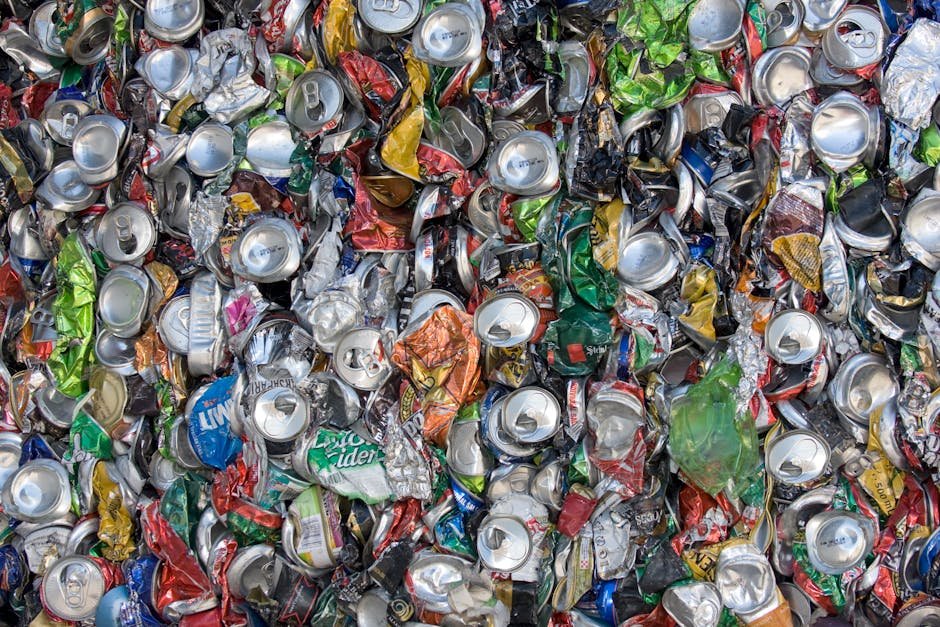
A trusted international scrap exchange is essential for businesses involved in global recycling, metal trading, and secondary raw material sourcing. In a market where quality, pricing, and compliance vary across countries, trust becomes the foundation of successful international scrap transactions.
Traditional scrap trading often suffers from uncertainty around material grading, payment security, and logistics reliability. Trusted exchange platforms solve these issues by creating verified, transparent, and structured environments where buyers and sellers can trade with confidence.
In this guide, you’ll learn how trusted international scrap exchanges work, what makes them reliable, how pricing is structured, and why digital platforms are now critical for secure global scrap trade and recycling networks.
What is a Trusted International Scrap Exchange?
A trusted international scrap exchange is a verified global marketplace where scrap materials are bought and sold between exporters, importers, recyclers, and industrial buyers under secure and transparent conditions.
These exchanges ensure:
- Verified buyers and sellers
- Standardized material grading
- Secure payment systems
- Transparent pricing mechanisms
- Regulated international trade compliance
They operate across materials such as:
- Ferrous and non-ferrous metals
- Plastic scrap and polymers
- E-waste and electronics
- Industrial surplus materials
- Paper and recyclable packaging
The goal is to reduce risk while improving efficiency in global scrap trade.
How a Trusted International Scrap Exchange Works
1. Verification of Participants
All buyers and sellers undergo identity and business verification to ensure legitimacy.
2. Material Listing with Standards
Suppliers list scrap with standardized specifications:
- Material type
- Grade and purity
- Quantity
- Origin location
- Quality certifications
3. Buyer Evaluation & Selection
International buyers evaluate listings based on:
- Price competitiveness
- Material quality
- Supplier reputation
- Logistics feasibility
4. Secure Negotiation Process
Negotiations occur through structured systems to avoid fraud or miscommunication.
5. Logistics & Trade Execution
Once agreed:
- Freight is arranged
- Customs documentation is processed
- Shipment tracking is enabled
Key Features of a Trusted Scrap Exchange Platform
1. Verified Global Network
Ensures only legitimate businesses participate.
2. Transparent Pricing System
Reflects real-time global scrap market trends.
3. Standardized Material Grading
Reduces disputes over quality and classification.
4. Secure Payment Mechanisms
Protects both buyers and sellers during transactions.
5. Integrated Logistics Support
Simplifies cross-border shipping and documentation.
Types of Scrap Traded on Trusted Exchanges
Metal Scrap
- Steel scrap
- Copper scrap
- Aluminum scrap
- Brass and alloy scrap
Plastic Waste
- PET bottles
- HDPE plastics
- Industrial polymer scrap
Electronic Waste
- Circuit boards
- Cables and wiring
- IT equipment scrap
Industrial Surplus
- Manufacturing offcuts
- Excess inventory
- Production waste materials
Pricing Structure in Trusted International Scrap Exchanges
Pricing depends on global and material-specific factors:
| Factor | Impact |
|---|---|
| Material purity | Higher purity increases value |
| Global commodity prices | Market fluctuations affect pricing |
| Shipping costs | Freight impacts net margins |
| Supply-demand balance | Scarcity increases value |
| Certification quality | Verified materials fetch premium pricing |
Why Trusted International Scrap Exchanges Are Growing
1. Increasing Global Trade Volumes
Scrap is now a major component of global raw material supply chains.
2. Demand for Recycled Materials
Manufacturers prefer recycled inputs to reduce costs and emissions.
3. Risk Reduction in Cross-Border Trade
Trust systems minimize fraud and payment risks.
4. Digitalization of Commodity Markets
Online platforms replace traditional broker-based trading.
5. Regulatory Pressure
Governments enforce stricter recycling and waste management standards.
Role of Digital Platforms in Building Trust
Modern scrap exchanges rely heavily on digital infrastructure to ensure reliability.
Platforms like ScrapTrade enhance trust through:
- Verified dealer networks
- Transparent listing systems
- Cross-border compliance support
- Logistics coordination tools
- Secure communication channels
Challenges in International Scrap Exchanges
Despite improvements, challenges remain:
- Inconsistent global scrap grading standards
- Currency and payment risks
- Freight cost volatility
- Regulatory restrictions on scrap imports/exports
- Fraud risks in unverified marketplaces
Opportunities in Trusted Scrap Exchange Markets
The sector continues to expand due to:
- Rising demand for secondary raw materials
- Growth of circular economy initiatives
- Expansion of global manufacturing supply chains
- Increased focus on ESG compliance
- Adoption of AI-powered trade verification systems
Trusted exchanges are becoming essential infrastructure for global recycling economies.
FAQs – Trusted International Scrap Exchange
1. What is a trusted international scrap exchange?
It is a verified global platform where scrap materials are traded securely between buyers and sellers with standardized processes.
2. Why is trust important in scrap trading?
Trust ensures accurate material grading, secure payments, and reliable international transactions.
3. What materials are traded on these exchanges?
Common materials include metal scrap, plastics, e-waste, and industrial surplus materials.
4. How do trusted exchanges ensure safety?
They use verification systems, secure payment channels, and standardized trade procedures.
5. Are these platforms suitable for exporters?
Yes, exporters benefit from global buyer access and reduced transaction risk.
Conclusion
A trusted international scrap exchange plays a crucial role in modern global recycling by ensuring safe, transparent, and efficient scrap trading across borders. It reduces risks, improves pricing clarity, and supports scalable international trade.
As global demand for recycled materials continues to grow, trusted exchanges will become the backbone of sustainable industrial supply chains.
To participate in secure and verified global scrap trading networks, businesses can leverage platforms like ScrapTrade to access international buyers and streamline operations.