
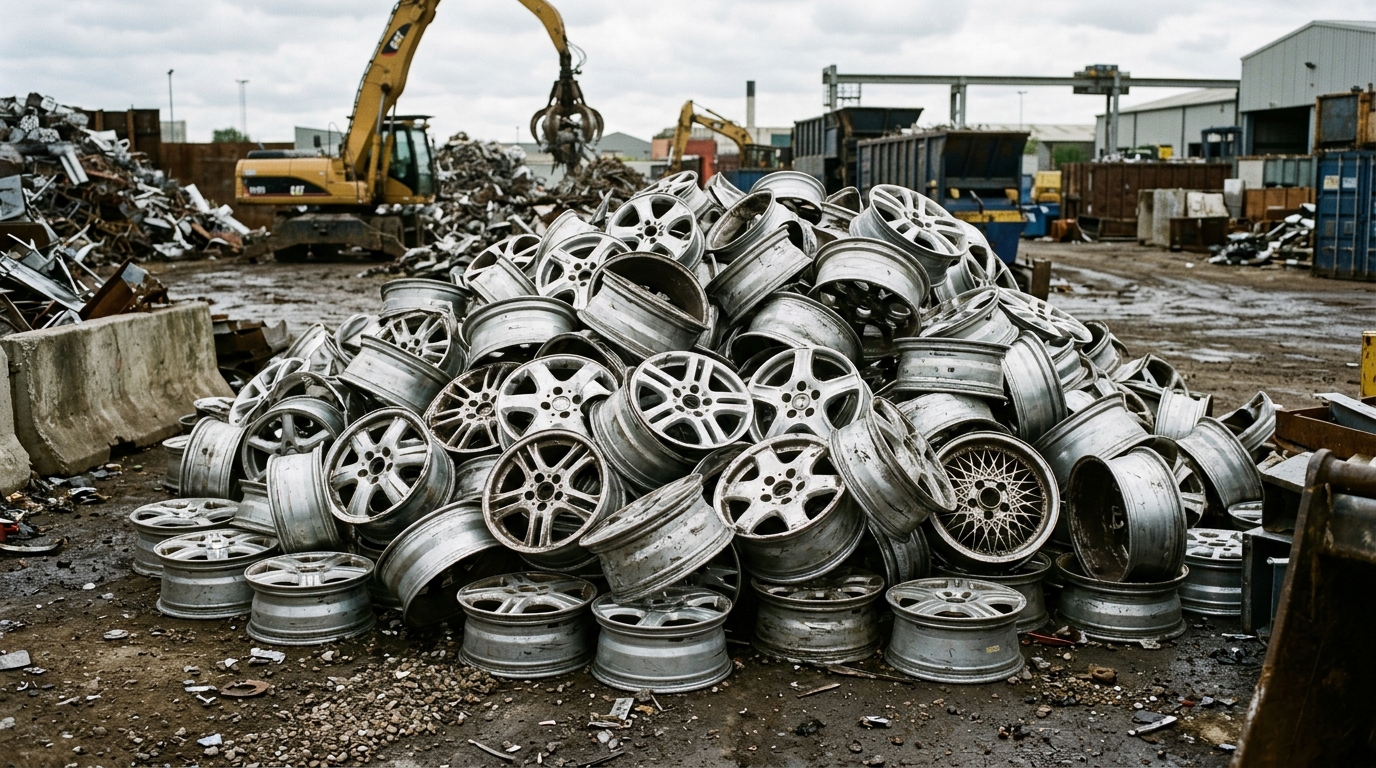
Uncertainty around alloy wheel scrap prices in Melbourne and across Australia often leads sellers to either undersell or choose the wrong scrapyard. The value of alloy rims is not fixed it shifts based on aluminium purity, contamination level, wheel type, and even city-level demand. Many sellers also confuse cast aluminium wheels with mixed alloy wheels, which directly impacts payout expectations.
In this guide, you will understand how alloy wheel scrap pricing works across Australia, what differences exist between cast aluminium and alloy wheels, how Melbourne compares with other cities, and whether scrapyards or private buyers give better returns. You will also learn how to correctly evaluate scrap rims so you can maximize your cash return from every set of wheels.
Understanding Alloy Wheel Scrap Prices in Melbourne and Australia
The scrap value of alloy wheels in Melbourne is primarily driven by aluminium content and global metal market trends. In most Australian scrapyards, alloy wheels are treated as high-grade aluminium scrap due to their density and recycling efficiency.
Recent market data shows alloy wheel scrap typically trading in the range of approximately AUD $1.60 to $2.50 per kg across Australia depending on grade and cleanliness, with Melbourne generally sitting near the mid-range of that pricing band .
In Melbourne specifically, many recyclers pay around AUD $1.60 to $2.10 per kg for clean alloy wheels, while heavily contaminated rims can fall closer to $1.50 per kg or lower depending on condition .
Cast Aluminium vs Alloy Wheels: Why It Changes Scrap Value
A key factor influencing alloy scrap price in Australia is whether the wheel is cast aluminium or a mixed alloy structure.
Cast aluminium wheels are generally more uniform in composition. They contain a higher percentage of recyclable aluminium with fewer impurities, making them easier for recyclers to process. This typically places them in a higher-paying category.
Standard alloy wheels, on the other hand, may include magnesium blends, coatings, paint layers, or minor steel attachments. These additions slightly reduce purity, which affects furnace recovery efficiency and therefore lowers scrap pricing.
From a buyer’s perspective, higher purity means lower processing cost. That difference is directly reflected in the price per kilogram offered to sellers.
Alloy Wheel Scrap Prices Across Major Australian Cities
Pricing is not identical across Australia. Local demand, transportation cost, and industrial recycling capacity all influence what scrapyards pay.
In Melbourne, alloy wheels typically sit around $1.60–$2.10 per kg depending on condition. Sydney often sees slightly higher ranges due to stronger industrial demand, sometimes reaching $2.80–$3.20 per kg for premium clean wheels. Adelaide and Perth usually fall within a similar mid-range band but can fluctuate based on export demand and local supply conditions.
This city-level variation exists because scrap metal pricing is tied to logistics efficiency and proximity to smelters. Cities with higher recycling throughput often offer better rates for clean material.
Scrap Yard vs Marketplace: Where You Get Better Value
When selling alloy wheels, the channel you choose plays a major role in final payout.
Scrapyards are the most common option because they provide instant cash and accept bulk material without negotiation complexity. However, they usually apply standardized pricing based on weight and grade, which may not always reflect peak market value.
Marketplaces or private buyers can sometimes offer higher returns, especially for OEM or branded alloy wheels in good condition. In these cases, the wheel may be valued more as a resale automotive part rather than scrap metal, significantly increasing potential earnings.
Factors That Affect Alloy Scrap Price in Melbourne
Several practical factors directly influence how much cash you receive for alloy rims. Cleanliness is one of the most important. Wheels with tyres removed, no wheel weights, and minimal corrosion consistently fetch higher rates.
Weight also matters because alloy pricing is calculated per kilogram. Heavier SUV or 4WD wheels generally generate more total value than lightweight passenger car rims.
Market timing plays a role as well. Aluminium prices fluctuate globally based on LME (London Metal Exchange) movements, which indirectly impacts local scrap yard rates. Seasonal demand from manufacturing and export cycles can also cause short-term price changes.
How to Maximise Alloy Wheel Scrap Value
To get the best cash for scrap alloy rims in Melbourne, preparation is critical. Removing tyres, balancing weights, and plastic valve stems before selling can improve grading immediately. Separating clean wheels from heavily damaged or contaminated ones ensures better classification by the buyer.
It also helps to weigh your scrap independently before visiting a yard so you can verify payout accuracy. Many experienced sellers compare rates across multiple recyclers before finalizing a deal, especially when selling in bulk.
FAQs
What is the current alloy wheel scrap price in Melbourne?
Most scrapyards in Melbourne pay between $1.60 and $2.10 per kg for alloy wheels, depending on cleanliness, contamination, and wheel type. Clean, tyre-free wheels typically achieve the highest rates in this range.
Do cast aluminium wheels pay more than alloy wheels?
Yes, cast aluminium wheels usually achieve slightly higher prices because they contain more uniform aluminium and fewer impurities, making them easier to recycle efficiently.
Is it better to sell alloy wheels to a scrapyard or privately?
Scrapyards offer fast cash and convenience, while private sales can sometimes yield higher returns if the wheels are in good condition and suitable for resale instead of scrap.
What reduces alloy wheel scrap value?
Attached tyres, wheel weights, steel contamination, paint coatings, and corrosion all reduce purity and can lower the final price per kilogram offered by recyclers.
Do alloy scrap prices change across Australian cities?
Yes, prices vary between cities like Melbourne, Sydney, and Adelaide due to demand, transport costs, and recycling infrastructure differences.
Conclusion
Understanding alloy wheel scrap prices in Melbourne and across Australia helps you avoid undervaluation and choose the right selling method. Cleanliness, wheel type, and location all directly influence payout rates, with cast aluminium generally performing better than mixed alloy structures.
Whether you sell to a scrapyard for quick cash or explore private buyers for higher margins, proper sorting and timing can significantly improve returns. Always compare local rates before selling, as even small price differences per kilogram can add up when dealing with multiple wheels.