

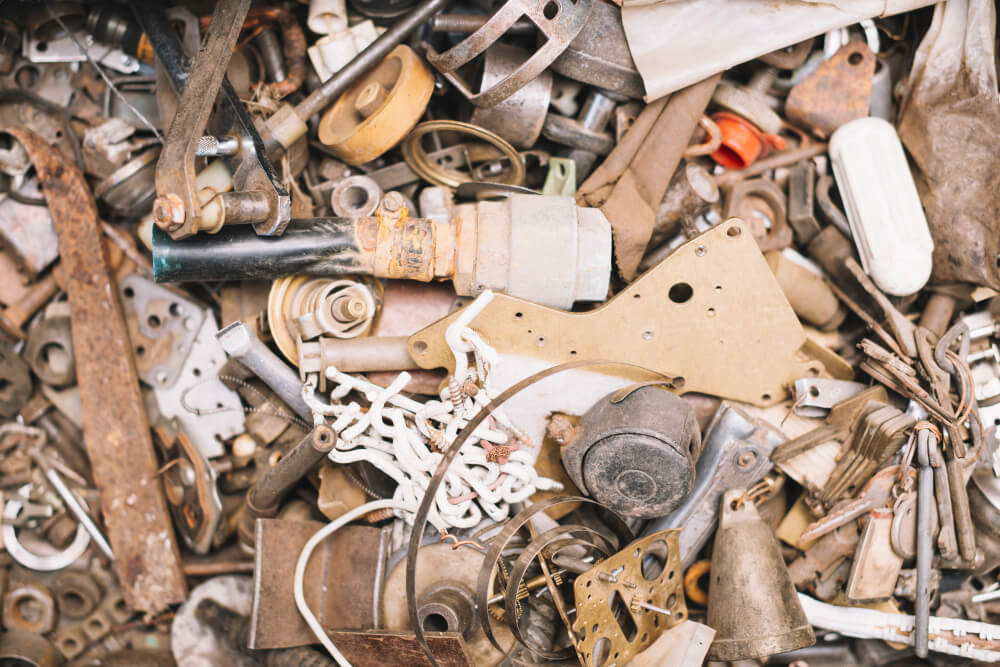
Brass cost per kg in Australia varies significantly depending on purity level, scrap classification, and global market conditions for copper and zinc. Because brass is an alloy, its value is directly influenced by fluctuations in both base metals, making pricing more volatile than some other scrap categories.
Many sellers struggle to estimate the true value of brass items such as plumbing fittings, taps, valves, and mixed industrial components. These materials are often undervalued because their grade is not clearly identified before sale, leading to lower payouts at scrap yards.
Current Brass Cost Per Kg
Brass pricing at scrap yards in Australia varies based on alloy composition, contamination level, and processing requirements. Because brass is made primarily from copper and zinc, its value closely tracks movements in global base metal markets, especially copper demand trends.
Clean, well-sorted brass consistently achieves higher payouts, while contaminated or mixed grades are downgraded due to additional refining and separation costs.
Brass Scrap Prices Per KG
| Brass Type | Cost Per Kg |
|---|---|
| Clean Yellow Brass | $7 – $9 |
| Plumbing Brass | $6 – $8 |
| Mixed Brass Scrap | $5 – $7 |
| Brass Turnings | $4 – $6 |
| Dirty Brass | $3 – $5 |
Clean Brass Cost Per Kg vs Mixed Brass Cost Per Kg
Brass pricing at Australian scrap yards is strongly influenced by purity level and contamination. Even when the material looks similar, the classification between clean brass and mixed brass can create a significant difference in per-kilogram value.
Understanding this distinction helps sellers avoid downgrades and improve returns when selling plumbing parts, fittings, or industrial scrap.
Clean Brass Cost Per Kg
Clean brass represents the highest-value category in most scrap yard pricing structures.
This grade contains pure brass with no steel attachments, plastic fittings, rubber seals, or other contaminants. It is typically sourced from taps, valves, machined components, and properly separated plumbing fittings.
Because it requires minimal processing, clean brass offers higher recycling efficiency and stronger recovery rates, which translates into better per-kilogram payouts at scrap yards. The cleaner the material, the more accurately it can be graded and priced at premium levels.
Mixed Brass Cost Per Kg
Mixed brass has a lower per-kilogram value due to the presence of additional materials or impurities.
This category often includes brass fittings with attached steel parts, plastic components, corrosion, or mixed-metal assemblies. These contaminants reduce processing efficiency and require extra sorting before recycling.
As a result, scrap yards apply a lower pricing tier to account for increased handling and reduced recovery yield. Even though mixed brass still contains valuable copper content, its overall payout is lower compared to clean brass due to additional refinement costs.
Brass Cost Per Kg by Type
Brass pricing at scrap yards in Australia varies depending on how the material is sourced, its level of purity, and the amount of processing required before recycling. Different brass categories are assigned separate value ranges because recovery efficiency and contamination levels directly impact final yield.
Plumbing Brass Cost Per Kg
$6 – $8 per kg
Plumbing brass typically includes taps, valves, pipe fittings, and bathroom or kitchen fixtures. These items often contain a good proportion of clean brass, but may include minor attachments such as rubber seals or small steel components.
Pricing depends heavily on how well the material is sorted. Clean, separated plumbing brass achieves stronger returns compared to fittings still attached to mixed materials.
Industrial Brass Cost Per Kg
$7 – $9 per kg
Industrial brass includes solid machined components, heavy-duty fittings, and manufacturing parts used in mechanical and engineering applications.
This category generally achieves higher pricing due to better purity and higher brass content. These materials are often cleaner and more uniform, making them more efficient to recycle and recover.
Brass Turnings Cost Per Kg
$4 – $6 per kg
Brass turnings are produced during machining processes and appear as shavings or fine metal curls.
They are typically contaminated with cutting oils, lubricants, or mixed residues, which reduces their recycling efficiency. Additional cleaning and processing requirements lower the overall per-kilogram value compared to solid brass forms.
Dirty Brass Cost Per Kg
$3 – $5 per kg
Dirty brass includes heavily contaminated, corroded, or mixed-metal materials.
This category may contain steel attachments, plastic components, or oxidised surfaces, all of which reduce purity and increase processing costs. Scrap yards apply lower pricing due to reduced recovery yield and additional sorting requirements.
Factors Affecting Brass Cost Per Kg
Brass pricing in Australia is influenced by several interconnected market and material factors. Since brass is primarily composed of copper and zinc, its value moves closely with global metal markets, especially copper, while also reflecting local recycling demand and processing conditions.
Copper Market Influence
Brass cost per kg is heavily tied to copper price movements due to its high copper content.
When global copper prices rise, brass scrap values generally increase as well because recyclers can recover more value from the alloy. Conversely, when copper markets weaken, brass prices often follow the same downward trend.
This close correlation makes brass pricing sensitive to international commodity exchanges and industrial demand cycles.
Purity Level
Purity is one of the most important determinants of brass value at scrap yards.
Clean brass with minimal contamination such as steel fittings, plastic attachments, or heavy corrosion receives higher per kilogram rates. Mixed or contaminated brass requires additional sorting and processing, which reduces its overall market value.
Higher purity improves recycling efficiency, allowing yards to recover more usable metal with lower processing costs.
Quantity of Scrap
The volume of brass being sold directly impacts pricing outcomes.
Bulk brass loads typically achieve better per kilogram rates due to improved negotiation leverage and reduced handling costs per unit. Large, consistent volumes are more attractive to recyclers because they streamline transport and processing operations.
Smaller quantities may receive standard or lower rates compared to industrial-scale deliveries.
Processing Costs
Processing requirements play a key role in determining final brass payouts.
Brass that contains contaminants such as rubber seals, plastic parts, or mixed metals requires additional sorting and refining. These extra steps increase operational costs for recyclers, which are reflected in lower purchase prices.
Cleaner, pre-sorted brass reduces processing time and allows for more efficient recovery, resulting in higher per kilogram value.
How Scrap Yards Calculate Brass Cost Per Kg
Brass pricing at Australian scrap yards is determined using a structured valuation model that combines global market benchmarks with local grading and processing conditions. Because brass is an alloy of copper and zinc, its value fluctuates in line with both metals, while final payouts are adjusted based on purity and handling requirements.
Pricing Formula
Scrap yards typically estimate brass value using a weighted calculation model:
Brass cost per kg = market rate × purity grade × demand adjustment
- Market rate: Base benchmark influenced by global copper and zinc prices
- Purity grade: Classification such as clean brass, plumbing brass, or mixed brass
- Demand adjustment: Local buying demand, export activity, and yard-specific inventory needs
Higher-grade brass receives stronger multipliers due to better recovery efficiency, while lower-grade material is discounted to reflect additional processing effort.
Deduction Factors
Several deductions are applied before final payment is issued, depending on the condition and composition of the brass scrap.
Contamination level
Brass mixed with dirt, corrosion, plastic, or attached non-metal components is downgraded because it requires additional cleaning and separation before recycling.
Mixed metal content
Items containing steel inserts, screws, or other metals reduce overall brass purity, lowering the effective recovery rate and final per kilogram value.
Sorting and handling costs
Scrap yards factor in labour, equipment use, and processing time required to prepare brass for smelting. The higher the sorting effort required, the greater the reduction in final payout.
How to Increase Brass Cost Per Kg
Improving your brass scrap value per kg in Australia is mainly about preparation, separation, and choosing the right buyer. Since scrap yards grade brass based on purity and processing effort, small improvements before selling can significantly increase final payouts.
Separate Brass Properly
Proper separation is one of the fastest ways to increase brass value per kilogram.
Keep brass isolated from steel, aluminium, copper, and mixed metals before arriving at a scrap yard. Mixed loads are often downgraded to the lowest-value category, reducing overall returns. Clean separation ensures accurate grading and prevents unnecessary price reductions during assessment.
Clean Brass Before Selling
Cleaning brass before sale improves purity and reduces processing costs for recyclers.
Remove plastic fittings, rubber seals, paint, and any non-metal attachments. Even small contaminants can lead to downgraded pricing because they require additional sorting and labour. Cleaner brass is easier to process and more likely to qualify for higher per-kg rates.
Sell in Bulk Quantity
Bulk brass loads consistently achieve better pricing than small quantities.
Larger volumes improve negotiation power and reduce handling costs per kilogram for scrap yards. As a result, buyers are often willing to offer higher per-kg rates for bulk deliveries, especially from commercial or industrial sources.
Compare Buyers
Brass pricing can vary significantly between scrap yards and metal recyclers across Australia.
Different buyers may specialise in certain materials, adjust rates based on daily demand, or apply different grading standards. Comparing multiple offers helps ensure you receive the most competitive brass cost per kg available in your area.
FAQs
What is brass cost per kg?
Brass cost per kg refers to the price paid for each kilogram of brass scrap in Australia. The value depends on factors such as purity, brass type, contamination level, and current market demand linked to copper and zinc pricing trends.
Why does brass cost per kg change?
Brass pricing changes due to fluctuations in global copper and zinc markets, shifts in industrial demand, and variations in local scrap supply. Scrap yard competition and transport costs can also influence short-term pricing differences across regions.
Which brass has the highest cost per kg?
Clean yellow brass generally achieves the highest cost per kg at scrap yards. It contains minimal contamination and higher recoverable metal content, making it more efficient to recycle compared to mixed or dirty brass types.
How can I improve brass cost per kg?
You can increase brass value by separating it from other metals, removing plastic or rubber fittings, and ensuring it is as clean as possible before sale. Proper preparation reduces processing costs and improves grading at scrap yards.
Does quantity affect brass cost per kg?
Yes, selling larger volumes of brass usually results in better per kg pricing. Bulk loads give recyclers operational efficiency and stronger negotiation flexibility, often leading to improved overall payout rates.
Conclusion
Brass cost per kg in Australia is primarily driven by purity, material type, and ongoing market demand linked to copper and zinc pricing. Clean brass consistently delivers stronger returns because it requires less processing and yields higher recoverable metal content, while mixed or contaminated brass receives lower valuations due to additional handling costs.
To maximise returns, it is essential to sort brass accurately, remove non-metal attachments before selling, and compare multiple scrap buyers to identify the most competitive pricing in your area. Small improvements in preparation and buyer selection can significantly increase overall scrap value, especially for bulk loads.