

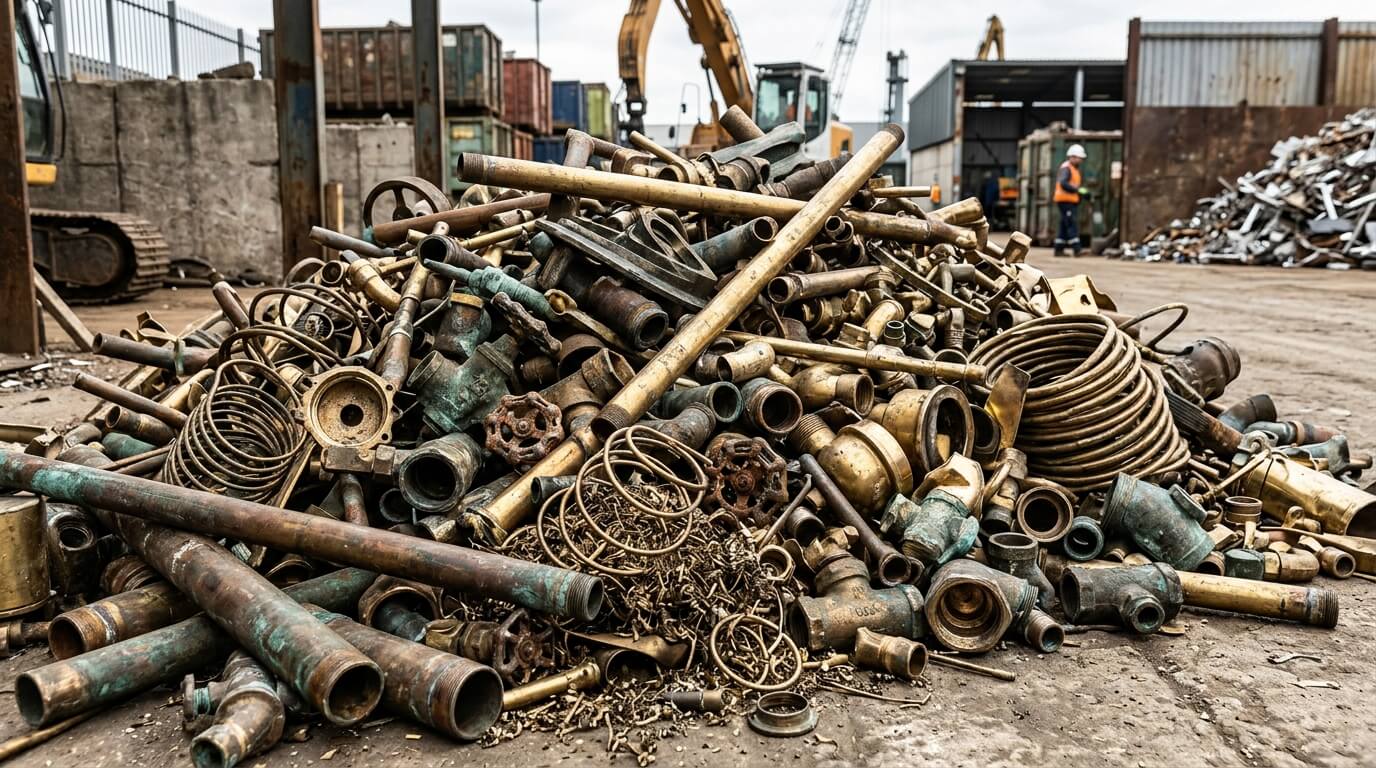
Brass remains one of Australia's most valuable non-ferrous scrap metals, making it a popular recycling material for plumbers, builders, engineers, manufacturers, and metal recyclers. If you're wondering how much you can sell brass for or looking for the latest scrap brass price per kg in Australia, understanding the different brass grades is essential.
Not all brass is worth the same amount. Yellow brass, red brass, and cartridge brass contain varying levels of copper, which directly influence their recycling value. Since brass is primarily made from copper and zinc, its price is closely linked to movements in global copper markets and overall demand from metal refiners.
In 2026, brass continues to attract strong recycling demand due to its widespread use in plumbing systems, industrial components, electrical fittings, and manufacturing applications. However, material quality, contamination levels, and grade separation can significantly impact the final price received.
Current Brass Scrap Prices in Australia (2026)
Brass scrap prices in Australia remain strong due to the metal's high copper content and continued demand from foundries, manufacturers, and metal recyclers. The value of brass varies by grade, composition, cleanliness, and overall market conditions.
Brass Scrap Price Per Kg
| Brass Type | Typical Price (AUD/kg) |
|---|---|
| Red Brass | $6.50 – $9.50 |
| Cartridge Brass | $5.50 – $8.50 |
| Yellow Brass | $4.50 – $7.50 |
| Brass Turnings | $3.00 – $5.50 |
| Mixed Brass Scrap | $3.50 – $6.50 |
Understanding Different Brass Grades
Red Brass (Highest Value)
Red brass is the highest-value brass scrap grade commonly traded in Australia. Its premium value comes from its higher copper content, which increases both its recycling demand and overall market price.
This grade is frequently found in water meters, valves, industrial fittings, marine hardware, and other heavy-duty applications where corrosion resistance and durability are important.
Red brass is easily recognised by its distinctive reddish-gold appearance and is valued for its excellent resistance to corrosion, particularly in water and marine environments. Because it contains more copper than other brass alloys, recyclers and refiners are generally willing to pay higher rates for clean red brass scrap.
Typical value: $6.50–$9.50/kg
Yellow Brass
Yellow brass is the most commonly recycled and traded brass grade in Australia. It is widely used across residential, commercial, and industrial applications, making it one of the most frequently encountered forms of brass scrap.
Common sources include plumbing fittings, taps, faucets, door hardware, locks, decorative fixtures, and general construction components. Due to its widespread use, yellow brass is regularly generated during renovation, demolition, and plumbing projects.
This grade is characterised by its bright yellow colour and moderate copper content. While it contains less copper than red brass, it still attracts strong recycling demand and offers solid scrap value.
Typical value: $4.50–$7.50/kg
Cartridge Brass
Cartridge brass is a high-quality brass alloy valued for its consistent composition, durability, and excellent machining properties. It is widely used in precision manufacturing and engineering applications where reliability and dimensional accuracy are important.
Common sources include spent shell casings, ammunition components, engineering products, and precision-machined parts. Due to its uniform alloy structure, cartridge brass is highly desirable within the recycling industry and is often processed efficiently by refiners.
This grade is known for its strong recyclability, predictable metal content, and ongoing demand from manufacturers that use recycled brass in production processes.
Typical value: $5.50–$8.50/kg
Common Sources of Brass Scrap
Plumbing Industry
The plumbing industry is one of the largest generators of brass scrap in Australia. Brass is widely used in water systems because of its durability, corrosion resistance, and long service life.
Common sources of recyclable brass include pipe fittings, valves, taps, water meters, connectors, and other plumbing components removed during repairs, renovations, and infrastructure upgrades.
Because many plumbing fittings contain high-quality brass alloys, plumbers often accumulate valuable scrap over time. Clean, separated brass recovered from plumbing work typically attracts strong prices and is highly sought after by recyclers.
Manufacturing & Engineering
Manufacturing and engineering businesses are major sources of brass scrap due to the widespread use of brass in machining, fabrication, and industrial production processes.
Common recyclable materials include brass offcuts, machined components, production waste, rejected parts, and brass turnings generated during manufacturing operations. These materials are often produced in consistent volumes, making them attractive to commercial recyclers and metal buyers.
Because industrial brass scrap is typically generated in controlled environments, it is often cleaner and easier to grade than mixed demolition material. Well-sorted brass from manufacturing facilities generally achieves stronger prices and can provide a reliable source of recycling revenue.
Automotive Industry
The automotive sector generates a steady supply of brass scrap through vehicle repairs, dismantling, and component replacement. Brass is commonly used in applications that require corrosion resistance, conductivity, and durability.
Common sources include radiator components, connectors, electrical fittings, specialty hardware, and various mechanical assemblies. When separated from mixed vehicle scrap, these brass components can attract strong recycling prices.
Because automotive brass is often combined with other metals, proper sorting and contamination removal are important for achieving maximum value.
Cartridge Brass
Cartridge brass is commonly recovered from shooting ranges, defence contractors, ammunition manufacturers, and precision engineering operations. Its consistent alloy composition and high copper content make it one of the most desirable brass grades in the recycling market.
Clean cartridge brass is particularly sought after because it requires minimal processing and provides excellent recovery efficiency for refiners. Material that is free from contaminants, mixed metals, and non-brass attachments typically commands premium pricing.
How Much Can I Sell Brass For?
The amount you can earn from brass scrap depends on several factors, including the brass grade, copper content, material cleanliness, quantity available, and current market demand. Higher-copper grades such as red brass generally command stronger prices than standard yellow brass.
Clean, well-sorted brass also attracts better rates because recyclers can process it more efficiently and recover a higher percentage of usable metal.
Example Returns
| Weight | Yellow Brass | Red Brass |
|---|---|---|
| 10 kg | $45–$75 | $65–$95 |
| 50 kg | $225–$375 | $325–$475 |
| 100 kg | $450–$750 | $650–$950 |
These examples illustrate how the value difference between brass grades becomes more significant as volume increases. For larger commercial or industrial loads, proper sorting and grade identification can substantially improve total returns.
How to Get the Best Brass Scrap Price
Separate Brass Grades
One of the simplest ways to increase brass scrap value is to keep different brass grades separated. Red brass, yellow brass, and cartridge brass each contain different levels of copper and are priced differently by recyclers.
When brass grades are mixed together, buyers often classify the entire load as mixed brass, which generally attracts a lower rate than properly sorted material.
Remove Non-Metal Components
Clean brass consistently receives stronger prices because it reduces processing time and improves recovery efficiency.
Before selling, remove non-metal attachments such as plastic components, rubber washers, steel screws, seals, and excessive solder wherever practical. Cleaner material allows recyclers to recover more usable brass and usually results in higher payouts.
Sell Larger Loads
Volume plays an important role in scrap metal pricing. Larger quantities often attract better rates because buyers can spread transportation and processing costs across a greater amount of material.
Commercial sellers, plumbers, manufacturers, and contractors who accumulate brass before selling can often negotiate stronger pricing than sellers with small individual loads.
FAQs
What is the current scrap brass price per kg in Australia?
Most brass scrap in Australia currently sells between $4.50 and $9.50 per kg, depending on the grade, copper content, cleanliness, and overall market demand. Higher-grade materials such as red brass typically achieve the strongest prices.
Which brass is worth the most?
Red brass is generally the most valuable brass grade because it contains a higher proportion of copper compared to other common brass types. Its higher copper content increases both recycling efficiency and market demand.
How do I identify yellow brass and red brass?
Yellow brass typically has a bright golden-yellow colour and is commonly used in plumbing fittings and household hardware. Red brass has a more reddish tone due to its higher copper content and is often found in valves, water meters, and industrial components.
Are brass shell casings valuable?
Yes. Clean cartridge brass shell casings are highly recyclable and often attract strong scrap prices due to their consistent alloy composition and high demand in the recycling market.
Should I separate brass from copper before selling?
Yes. Brass and copper are priced differently and graded separately by recyclers. Mixing them together can result in a lower overall classification, which may reduce the total payout you receive for your scrap materials.
Conclusion
The scrap brass price per kg in Australia in 2026 remains strong, supported by steady global copper demand and the high recyclability of brass alloys. Because brass is primarily made from copper and zinc, its value closely follows movements in international copper markets and overall industrial demand.
Among all brass grades, red brass consistently commands the highest value, followed by cartridge brass, while yellow brass remains the most commonly traded grade across plumbing, construction, and manufacturing sectors. Differences in copper content, cleanliness, and contamination levels continue to play a major role in determining final payout.