

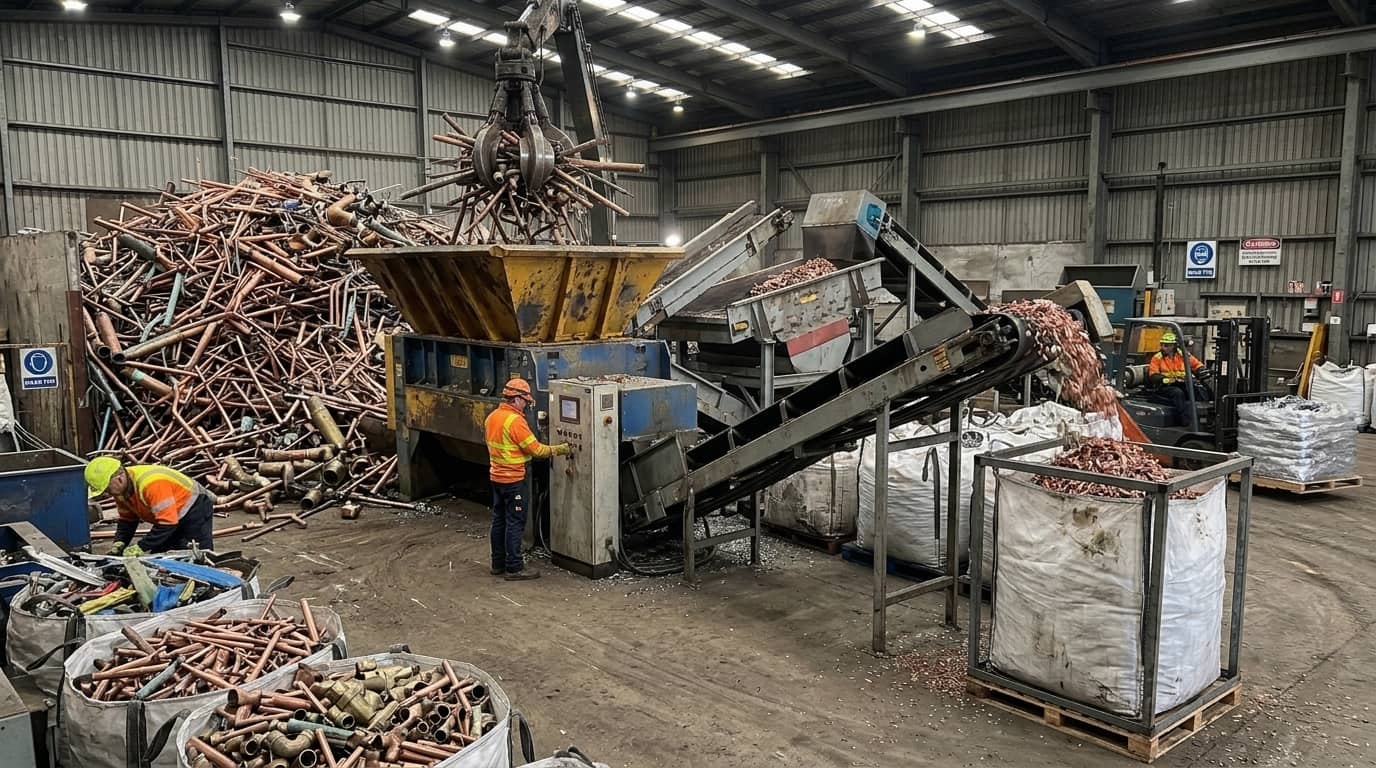
Whilst copper pipes and plumbing can generally be re-used, there are different classifications which they can fall into. Water pipes can often be alongside copper piping along with a variety of plumbing parts such as valves and solder. Alongside this, there are also composite plumbing items. It can therefore be difficult to ascertain how best to isolate pure copper so that it can be effectively sold by plumbers, building contractors, demolition workers and scrap merchants. Contamination and extra processing should ideally be avoided.
This resource will show you how to recycle copper piping. It will also describe plumbing sorting and purification processes. Furthermore, it will highlight factors that influence the value of plumbing scrap and common errors which can compromise its quality. Finally, it will provide advice on how to ready plumbing scrap for sale and enable you to link up with purchasers via an internet based scrap trading platform.
Why copper is often recycled
Due to its strength, malleability and anti-corrosive properties, copper is a frequently used type of pipe for both water and heating.
It can then be recycled when plumbing is redeveloped, torn down or even changed over.
As well as aiding recycling, the ability to isolate copper pipes from other materials can be beneficial within plumbing projects. Alongside copper, plumbing may contain brass and various insulating and metal items. Items can then be sorted by type and state.
Common sources of plumbing related copper for recycling include:
Domestic redevelopment
Commercial redevelopment
Heating, ventilation and air-conditioning and cooling
Tear downs
Industrial upkeep
Improvements to water and heating
Construction waste and surplus
Whilst pure copper pipes and mixed plumbing scrap differ, added items and impurities can also affect the desirability of plumbing scrap.
This guide will illustrate how to recycle copper piping. It will detail the plumbing sorting and refining procedures. Influences on plumbing scrap value will then be discussed. Common issues that can affect plumbing scrap quality will also be examined. Finally, guidance will be given on how to prepare plumbing scrap for selling and how to join an online scrap marketplace in order to connect with prospective customers.
Types of Plumbing Scrap
Plumbing scrap can include different kinds of materials. Sorting them before selling helps buyers know what they are getting.
Clean Copper Tube
Clean copper tube means copper pipe or tubing that has little or no non-copper material attached to it.
Examples include:
Straight sections of copper tube
offcuts from plumbing jobs
Cut pieces from installation work
Copper tubing with fittings removed
Before selling, check the copper for solder, paint, insulation, sealants or any other attachments. Keeping copper tube apart from mixed plumbing parts makes it easier for buyers to assess the material.
For details on how these materials are processed, refer to the ScrapTrade guide on copper recycling processes.
Pipe with Fittings or Solder
Used plumbing pipe has soldered joints, connectors, valves or other attachments.
Of treating the whole piece as clean copper, inspect it carefully and separate materials when possible.
A contractor taking out a plumbing system might find:
Copper pipe
Brass connectors
Soldered joints
Steel parts
Plastic fittings
Insulation
Mixed valves
Removing parts that can be taken off easily helps create a cleaner copper stream.. You should not use aggressive cutting or tools that can cause safety issues or damage parts that could be reused.
Brass Fittings and Valves
Brass is often used in plumbing for fittings, valves, connectors and other small parts.
Brass should be kept separate from copper. Mixing the two reduces the value of the copper load.
So a single plumbing project can produce recyclable streams: copper tube, brass fittings, steel parts and other materials. Sorting them properly makes recycling more efficient and more valuable.
How Pipe Scrap Gets Sorted and Cleaned
Sorting copper plumbing scrap begins with figuring out what the material really holds.
Step 1: Split Things Up by Material
Make piles for copper, brass, steel, aluminium and non-metal stuff.
Do not think a fitting is copper just because it sits on copper pipe. Plumbing assemblies often have than one metal in them.
Step 2: Take Off the Easy-to-Remove Parts
When it is practical and safe, take off things like:
fittings
Rubber parts
Insulation
Steel brackets
Non-metal seals
Needless packaging or debris
The point is to make the material more consistent, not to process every single part for no reason.
Step 3: Check for Solder and Coatings
Look at joints and cut ends.
Solder can stay around plumbing connections and paint, sealants and other coatings may be on changed pipework.
Do not mix contaminated material with cleaner copper just to make the load look bigger.
Step 4: Keep Different Metals Apart
Copper and brass should be stored separately when you can. Steel fittings and other iron-based parts should also be kept away from -iron material.
For commercial or demolition jobs, this splitting can be done bit by bit as pipework comes out, rather than after the whole project is done.
Step 5: Keep the Scrap Dry and Tidy
Clean, tidy material is easier to check, weigh and get ready for sale.
Use containers or storage spots so copper pipe does not get mixed up with general construction debris.
How Grade Affects Price
The price offered for copper plumbing scrap depends on factors such as material composition, cleanliness, quantity, market conditions, location and the buyer's requirements.
There is no single universal price for every copper pipe load.
A buyer may evaluate clean copper tube differently from copper pipe containing solder, fittings, coatings or other metals. Similarly, mixed plumbing scrap may require additional sorting before it can be processed.
This is why sellers should describe their material accurately instead of relying only on the word "copper."
When preparing a listing, include:
- Material type
- Approximate quantity or weight
- Pipe dimensions where relevant
- Photos
- Presence of fittings or solder
- Whether insulation has been removed
- Collection or delivery location
- Available pickup date
FAQs
Is copper pipe worth recycling?
Yes. Copper pipe is a widely recycled metal, and recovered plumbing copper can enter established recycling streams. However, the value of a particular load depends on its composition, cleanliness, quantity, market conditions and buyer requirements.
Should brass fittings be separated from copper pipe?
Yes, where practical. Brass fittings and valves are different materials from copper tube and are commonly handled separately. Separating them can make the composition of each scrap stream clearer for buyers and recyclers.
Should solder be removed from copper plumbing scrap?
Solder should be considered when preparing and describing plumbing scrap. Whether removal is practical depends on the material and processing requirements. Sellers should avoid damaging the copper simply to remove small amounts of attached material.
How should copper pipe be prepared for sale?
Sort copper from brass and other metals, remove easily detachable non-metallic attachments, keep the material dry and organized, and take clear photographs. Provide accurate information about quantity, condition and fittings so buyers can evaluate the load properly.
Conclusion
Copper pipe recycling becomes more effective when plumbers and contractors separate materials before selling them. Clean copper tube, soldered pipe, brass fittings, valves and mixed plumbing components should not automatically be treated as one material stream.
Good preparation starts with accurate identification, practical sorting, removal of easily detachable attachments and clear documentation. Sellers should also describe their scrap honestly and avoid making unsupported assumptions about grade or price.