

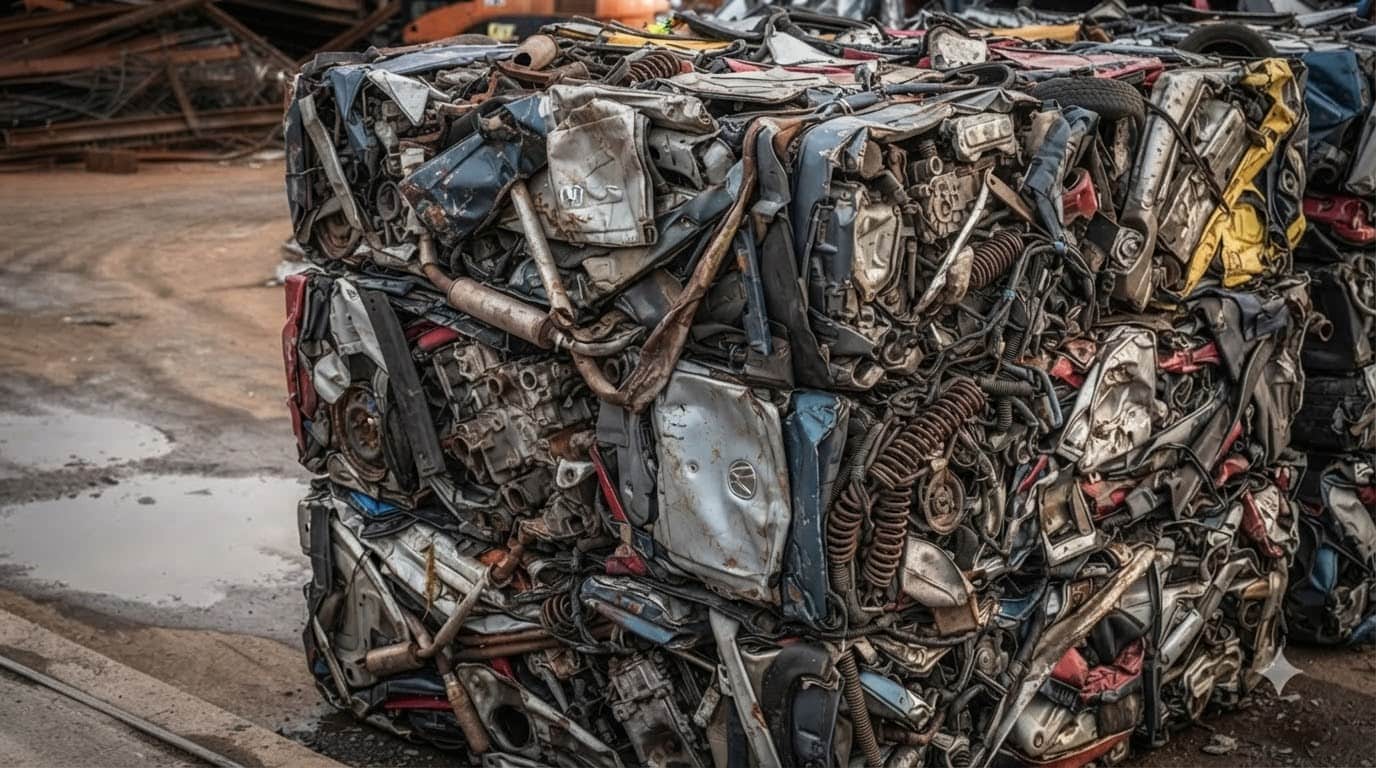
End-of-life vehicles (ELVs) are cars, vans, trucks, and other vehicles that have reached the end of their useful life or are no longer economical or suitable to repair. Although these vehicles may appear to be waste, they can contain valuable recyclable metals, reusable components, and other recoverable materials.
End-of-life vehicle scrap trading connects vehicle dismantlers, auto recyclers, scrap yards, metal processors, and industrial buyers that handle recovered materials. Steel body panels, aluminium components, copper wiring, radiators, and catalytic converters may all have different recovery routes and buyer requirements.
For businesses involved in automotive recycling, understanding how vehicles are dismantled, how materials are separated, and what buyers look for can help improve material identification and trading decisions. Digital marketplaces can also provide a route to connect with potential buyers beyond an established local network.
What Is End-of-Life Vehicle (ELV) Scrap?
End-of-life vehicle scrap refers to vehicles and vehicle components that are being retired from use for recovery, recycling, or disposal through an appropriate process.
Vehicles can reach this stage because of accident damage, mechanical failure, age, corrosion, high repair costs, or changes in fleet operations. Commercial vehicles and industrial transport equipment can also generate automotive scrap when they are retired.
An ELV is not simply a collection of metal. A vehicle may contain steel, aluminium, copper, plastics, glass, rubber, fluids, batteries, electronic components, and other materials. Some components may be suitable for reuse, while others require specialist treatment before recycling.
The recovery process generally involves identifying the vehicle, handling hazardous components and fluids appropriately, removing selected parts, and separating recyclable materials.
For traders, the distinction between a complete end-of-life vehicle, a dismantled vehicle shell, and processed automotive scrap is important. Each represents a different material condition, processing stage, and potential buyer market.
What Gets Recovered from a Scrapped Vehicle?
A scrapped vehicle can supply several categories of recoverable materials. The exact mix depends on the vehicle's design, age, condition, and previous repairs.
Ferrous Body and Frame Metal
Steel is commonly used in vehicle bodies, frames, structural components, suspension parts, and other assemblies. Once suitable components have been removed, much of the remaining ferrous material can enter established scrap steel recycling channels.
Vehicle shells and frames may be dismantled, cut, or processed using specialised equipment, depending on the facility and intended material specification.
Buyers may assess automotive steel based on its composition, size, preparation, contamination, quantity, and suitability for their processing operations.
Not every vehicle body is immediately ready for metal recycling. Non-metallic components, fluids, batteries, and other materials may need to be removed or managed before further processing.
Automotive steel can be traded through broader ferrous scrap markets, although the accepted specifications depend on the buyer. See the steel and HMS scrap trading guide for more information about ferrous scrap categories.
Non-Ferrous Parts: Aluminium, Copper, Catalytic Converters, and Radiators
Vehicles also contain non-ferrous metals that may be recovered separately from the steel body.
Aluminium is used in components such as wheels, engine parts, housings, and selected body or structural components. Its commercial value depends on alloy, condition, contamination, and the buyer's requirements.
Copper can be found in wiring harnesses, electrical motors, alternators, and other electrical components. Copper-bearing materials may need to be separated from insulation, steel attachments, and other components before being sold to specialised buyers.
Catalytic converters contain catalyst materials that may include platinum-group metals, depending on the unit. Their recoverable value varies by converter type and composition. Identification, secure handling, and appropriate buyer verification are important because units differ substantially.
Radiators and heat exchangers may contain aluminium, copper, brass, steel, or combinations of these materials. Their composition and construction affect how they should be sorted and evaluated.
Other recoverable components can include batteries, tyres, starter motors, alternators, and certain electronic modules. Some parts may be suitable for reuse, while others are more appropriate for material recovery.
Separating these categories can make the material easier for specialised buyers to assess. However, dismantling should be carried out using suitable equipment and procedures.
How Auto Scrap Is Dismantled, Shredded, and Sorted
Automotive scrap recovery generally involves several stages, although the exact process varies according to the vehicle, facility, and intended output.
Vehicle assessment and preparation: The vehicle is identified and assessed to determine its condition and the appropriate recovery route. Ownership documentation and other required records should be checked before the vehicle is accepted for dismantling or trading.
Depollution: Appropriate facilities remove or manage fluids, batteries, and other components that require special handling. Fuel, oils, coolant, refrigerants, and other vehicle substances must be managed according to applicable safety and environmental requirements.
Parts removal: Selected components may be removed for reuse, resale, specialist recycling, or further processing. These can include engines, transmissions, wheels, radiators, catalytic converters, wiring, and electronic parts.
Dismantling and size reduction: After appropriate preparation, the remaining vehicle shell may be cut, compacted, or shredded using suitable equipment. Not every facility uses a shredder, and some vehicles or components follow alternative processing routes.
Material separation: Processing facilities may use magnets, screening, density separation, eddy-current separation, and other technologies to separate different material streams. The equipment used depends on the facility and the materials being recovered.
Quality assessment and resale: Recovered steel, aluminium, copper-bearing material, and other outputs are assessed against buyer specifications before they are sold for further processing or recycling.
Effective separation helps reduce unwanted material in recovered metal streams and makes it easier to match material with the right downstream buyer.
What Affects the Value of Auto Scrap?
The value of automotive scrap depends on more than the weight of the vehicle.
Vehicle type and composition: A passenger car, commercial truck, van, and industrial vehicle can contain different proportions of steel, aluminium, copper, and other recoverable materials.
Condition and completeness: A complete vehicle may contain recoverable components that have already been removed from a dismantled shell. Missing parts, accident damage, corrosion, and previous dismantling can affect the assessment.
Material separation: Identifiable, separately sorted metal streams can be easier to evaluate than mixed automotive scrap. However, the cost of dismantling and processing must be considered.
Component type: Catalytic converters, radiators, wiring, aluminium wheels, and other parts have distinct specifications and buyer markets. Their values should not be estimated solely from the total weight of the vehicle.
Quantity and location: Larger lots may attract buyers with suitable processing capacity, but transport distance, loading requirements, and collection arrangements can affect the commercial outcome.
Market conditions: Metal prices, buyer demand, processing costs, and logistics can influence the offers available for automotive scrap.
For a more realistic estimate, sellers should identify the material or components being offered, describe their condition accurately, and compare relevant buyer offers. A general scrap metal reference price does not automatically determine the final value of a complete vehicle or dismantled lot.
Documentation and Responsible-Handling Considerations
Vehicle scrap trading involves more than agreeing on a price. Businesses should confirm that the vehicle can legally be transferred, dismantled, transported, and processed under the rules that apply to the transaction.
Depending on the jurisdiction and vehicle status, relevant documentation may include proof of ownership, vehicle identification details, transfer records, dismantling records, or other required documents.
Requirements can differ for complete vehicles, written-off vehicles, vehicle shells, dismantled components, and materials classified as waste. Exporting vehicles or automotive scrap can introduce additional customs, environmental, transport, and import requirements.
Businesses should also consider safe depollution, battery handling, fluid management, worker protection, and the proper handling of components containing potentially hazardous substances.
There is no single set of rules that applies to every ELV transaction worldwide. Before purchasing, dismantling, or shipping a vehicle or recovered material, check the applicable requirements in the relevant countries and regions.
Scrap yards and recyclers should maintain appropriate records and work with suitable service providers and buyers for materials that require specialised handling.
How to Sell Auto Scrap on ScrapTrade
Businesses that have dismantled vehicle scrap or recoverable automotive materials can use an online marketplace to present their available inventory to potential buyers.
Start by deciding what you are selling. A complete end-of-life vehicle, a dismantled vehicle shell, a lot of steel body scrap, aluminium wheels, copper-bearing wiring, radiators, and catalytic converters should not automatically be treated as interchangeable listings.
Create a clear description of the material, including its type, quantity, location, condition, and processing status. Where appropriate, include photographs, relevant specifications, and information about attachments or contamination.
For vehicle-related listings, ensure that ownership, transfer, and other required documentation can be provided. For specialised components, describe the item accurately and avoid claiming a particular metal content or grade unless you have reliable supporting information.
Once the listing is available, potential buyers can review the material and assess whether it matches their requirements. Compare offers based on the complete terms, including inspection, collection, loading, transport, payment, and documentation.
ScrapTrade is a global online marketplace that connects buyers and sellers. It does not take ownership of the scrap material as a traditional broker would. Buyers and sellers remain responsible for verifying counterparties and agreeing on the terms of their transaction.
You can explore the ScrapTrade marketplace to list automotive scrap and discover potential B2B trading opportunities.
FAQs
What is end-of-life vehicle scrap?
End-of-life vehicle scrap consists of retired vehicles and associated components that are being dismantled, recycled, or otherwise processed at the end of their useful life.
What metals can be recovered from scrapped cars?
Common recoverable metals include steel, iron, aluminium, and copper. Certain components, including catalytic converters and some electronic parts, may contain other recoverable metals. The exact materials depend on the vehicle and component.
Are catalytic converters valuable as scrap?
Some catalytic converters contain recoverable platinum-group metals, but their composition and value vary by unit. Accurate identification and assessment by a suitable buyer are important.
Can I sell a complete scrap car online?
Depending on local requirements, a complete end-of-life vehicle may be offered for sale through suitable channels. Sellers should verify ownership and transfer requirements and confirm that the buyer can legally collect, dismantle, or process the vehicle. ScrapTrade listings must accurately describe what is being offered.
Conclusion
End-of-life vehicle recycling turns retired vehicles into potential sources of reusable parts and recyclable materials. Steel body metal, aluminium components, copper-bearing parts, radiators, catalytic converters, and other materials may each follow different recovery and trading routes.
For businesses, the key is to identify materials correctly, separate them where appropriate, manage hazardous components responsibly, and understand buyer specifications before agreeing on a transaction.
Documentation and regulatory requirements must also be checked for the specific vehicle, material, and trade route. These requirements can vary significantly between jurisdictions, particularly for vehicle transfers, depollution, and international shipments.
For automotive recyclers, dismantlers, and scrap yards, an online marketplace can provide another route to potential buyers for recovered vehicle materials.
List your auto scrap on ScrapTrade and explore opportunities to connect with potential B2B buyers.